

Art Deco Office Spaces in Brooklyn: Discover Unique Workspaces with Style and Charm

Art Deco Office Spaces in Brooklyn: Discover Unique Workspaces with Style and Charm

Explore the charm of Art Deco office spaces in Brooklyn. Learn about the unique design features, benefits, and options for renting Art Deco style offices in this vibrant area of Brooklyn.

  1. 10 Jay Street
  2. >
  3. Blog
Art Deco Office Spaces in Brooklyn: Discover Unique Workspaces with Style and Charm

Art Deco Office Spaces in Brooklyn: Discover Unique Workspaces with Style and Charm

Why Art Deco Style is Ideal for Your Office

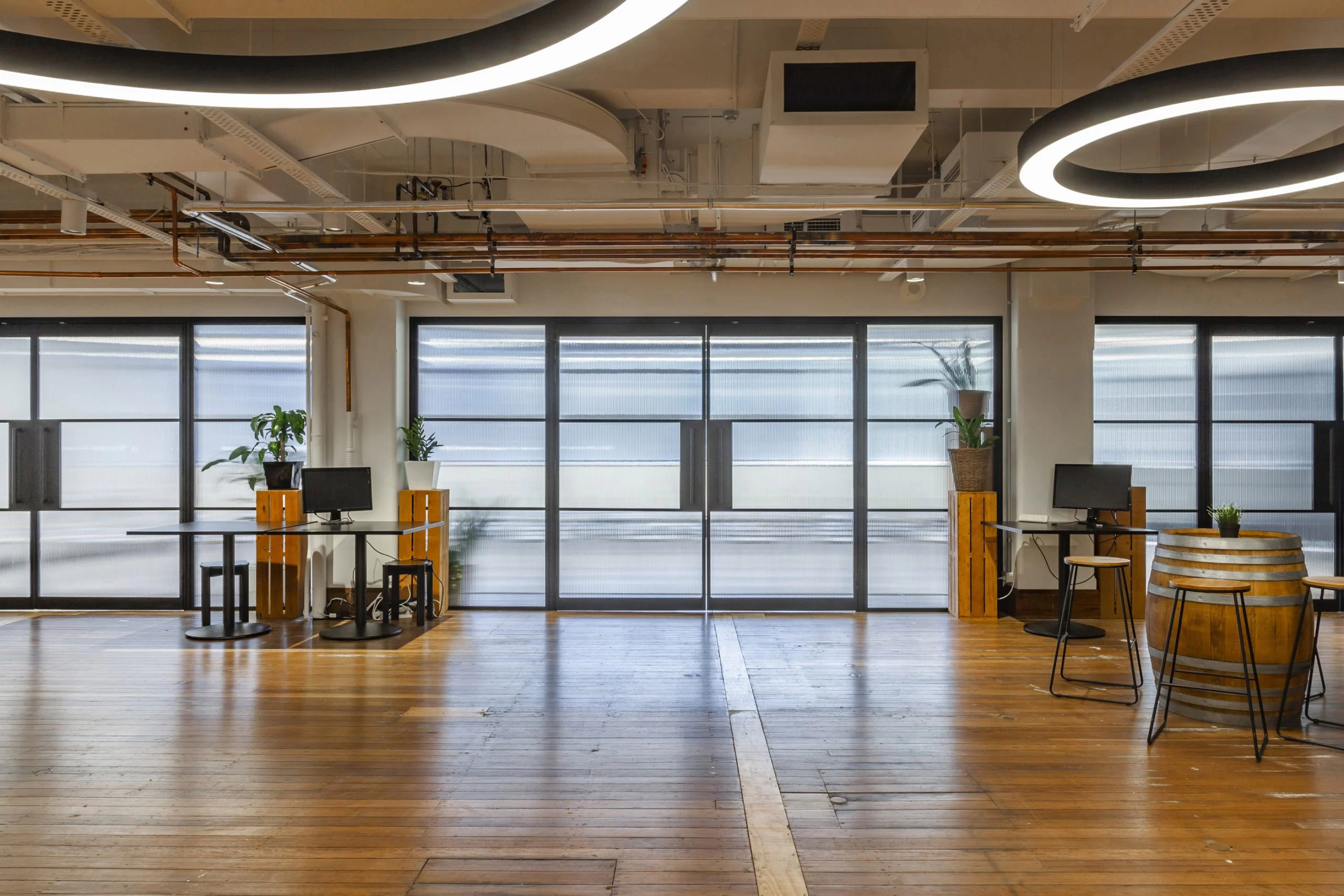
Art Deco is a design style known for its luxurious, bold, and geometric aesthetic. Originating in the early 20th century, it exudes elegance and sophistication. When applied to office spaces, Art Deco elements such as symmetrical patterns, rich materials like wood and marble, and vibrant color schemes create a unique and inspiring atmosphere. Whether you're a startup, a creative agency, or a corporate team, Art Deco office spaces provide a stylish and functional backdrop for productivity and innovation.

Choosing an Art Deco office space means more than just securing a place to work—it’s about creating an environment that fuels creativity and leaves a lasting impression on clients and visitors. The distinct architectural features, such as fluted columns, bold lines, and decorative finishes, provide a sense of timelessness, making your office not only a place to work but also a work of art in itself.

Benefits of Art Deco Office Spaces in Brooklyn

Brooklyn has long been a hub for artistic expression, and Art Deco office spaces in the borough are no exception. These spaces offer several advantages, including:

  • Unique Aesthetic Appeal: Art Deco offices stand out with their stylish, ornate designs, offering an environment that fosters creativity and makes a statement about your business’s identity.
  • Historical Charm: Many Art Deco buildings in Brooklyn have historical significance, adding an extra layer of character to your workspace. Renting one of these spaces provides a sense of connection to the past, while still offering modern amenities.
  • Spacious and Functional: Art Deco buildings were designed with spacious layouts in mind, often featuring large windows, open floor plans, and high ceilings, which provide an airy and comfortable working environment.
  • Prime Locations: Brooklyn’s Art Deco buildings are often located in prime, easily accessible areas. Renting an office in such locations puts your business at the heart of Brooklyn’s vibrant culture, making it ideal for networking and attracting clients.

Top Locations for Art Deco Office Spaces in Brooklyn

Brooklyn offers a number of prime locations for Art Deco office spaces, each providing a distinct atmosphere. Here are some of the best areas to find these unique workspaces:

  • DUMBO: Known for its stunning views of the Manhattan skyline and the Brooklyn Bridge, DUMBO (Down Under the Manhattan Bridge Overpass) is home to some of the most sought-after Art Deco office spaces in the borough. The neighborhood is a thriving hub for tech startups, creative agencies, and artists, making it an ideal location for businesses that want to be at the heart of Brooklyn’s creative scene.
  • Brooklyn Heights: This historic neighborhood offers a range of Art Deco buildings, many of which have been carefully preserved to maintain their vintage charm. The location is perfect for businesses looking for an office space with easy access to the subway and other transportation options, while still being surrounded by Brooklyn's scenic beauty.
  • Downtown Brooklyn: As the commercial center of Brooklyn, Downtown Brooklyn has a rich selection of Art Deco office spaces. This area provides excellent connectivity to Manhattan and the rest of the borough, making it a prime choice for businesses looking for both style and practicality.

How to Find the Perfect Art Deco Office Space in Brooklyn

Finding the perfect Art Deco office space requires careful consideration of your business needs, budget, and location preferences. Here are a few steps to help guide your search:

  • Define Your Requirements: What type of space do you need? Consider the size of the office, the number of rooms or workstations, and any special features (like a private office, a shared space, or meeting rooms). Think about what will make your team most comfortable and productive.
  • Explore the Neighborhoods: Each Brooklyn neighborhood has its own character. Research the areas that best align with your business goals, whether you’re looking for a creative hub or a more corporate environment. DUMBO, Brooklyn Heights, and Downtown Brooklyn are all excellent starting points.
  • Visit Multiple Locations: Once you’ve identified a few potential office spaces, it’s important to visit them in person. Check the condition of the building, the interior design, and the layout. Make sure it meets your business’s needs for space and functionality.
  • Consider Leasing Terms: Flexibility is key, so make sure you fully understand the lease terms, including duration, rent costs, and any additional fees. Many Art Deco office spaces offer short-term or flexible lease options, which can be ideal for growing businesses.

Once you’ve found the perfect Art Deco office space, be sure to visit 10 Jay Street for additional listings and detailed information on available office spaces in Brooklyn.

More

How Green Building Practices Can Create More Sustainable Cities

How Green Building Practices Can Create More Sustainable Cities

Learn how green building practices can help create more sustainable cities. Discover the benefits of eco-friendly construction and how sustainable urban development can improve city living. 1. Introduction: The Importance of Green Building Practices 2. Key Elements of Green Building Practices 3. Benefits of Creating More Sustainable Cities 4. Case Studies in Green Building: Success Stories 5. Challenges and Solutions for Implementing Green Practices 6. Practical Steps to Promote Sustainability in Urban Areas1. Introduction: The Importance of Green Building PracticesIn today’s rapidly urbanizing world, cities are at the forefront of climate change, pollution, and resource depletion. The construction and development of cities significantly impact the environment, and without sustainable practices, these effects will only worsen. One effective solution to this pressing issue is the adoption of green building practices. Green buildings utilize eco-friendly construction methods and materials, reducing energy consumption and the overall environmental footprint of cities. But how can green building practices help create more sustainable cities? Let’s explore this in detail.2. Key Elements of Green Building Practices2.1 Energy EfficiencyOne of the core principles of green building is energy efficiency. Sustainable buildings are designed to use less energy by incorporating features such as high-performance insulation, energy-efficient windows, and energy-efficient heating and cooling systems. Solar panels and other renewable energy sources are often integrated into the design, further reducing reliance on non-renewable energy.2.2 Sustainable MaterialsGreen building practices emphasize the use of sustainable and recyclable materials. These include reclaimed wood, recycled steel, bamboo, and low-VOC paints and finishes. These materials not only reduce waste but also promote the use of natural resources that are renewable and less harmful to the environment.2.3 Water ConservationWater conservation is another key component of green building. By using water-efficient appliances, low-flow toilets, and rainwater harvesting systems, green buildings can significantly reduce water consumption. This helps to preserve local water resources, which is especially important in areas facing drought conditions.2.4 Indoor Environmental QualityGreen buildings are also designed to enhance the indoor environmental quality for their occupants. This includes improving air quality through proper ventilation and using non-toxic materials to reduce indoor pollution. Natural lighting and the use of biophilic design elements, such as indoor plants, contribute to the health and well-being of residents.3. Benefits of Creating More Sustainable Cities3.1 Environmental ImpactBy implementing green building practices on a large scale, cities can drastically reduce their environmental impact. Buildings consume a significant portion of energy and water in urban areas. Through energy-efficient designs, reduced carbon emissions, and better waste management, green buildings help mitigate climate change and preserve natural resources.3.2 Economic AdvantagesWhile the initial investment in green buildings can be higher, the long-term economic benefits are substantial. Energy-efficient buildings lead to lower utility bills, and their use of sustainable materials can reduce maintenance costs. Additionally, green buildings are often more attractive to tenants and buyers, driving higher property values and occupancy rates.3.3 Improved Quality of LifeSustainable cities offer a higher quality of life for their residents. Cleaner air, better access to natural spaces, and healthier living environments contribute to physical and mental well-being. Green buildings also support greater social cohesion by promoting community spaces that encourage interaction and engagement among residents.4. Case Studies in Green Building: Success Stories4.1 The Bullitt Center, SeattleThe Bullitt Center, known as the “greenest commercial building in the world,” is an excellent example of a green building that has set new standards for sustainability. It features solar panels, rainwater harvesting, and a composting toilet system, making it a self-sustaining building that produces more energy than it consumes. This innovative building demonstrates how sustainability can be integrated into commercial real estate.4.2 The Edge, AmsterdamThe Edge in Amsterdam is a prime example of how sustainable practices can be integrated into urban office spaces. It uses solar energy, rainwater harvesting, and a cutting-edge building management system that controls energy use based on occupancy. The building also features green roofs, further enhancing its eco-friendly credentials. As one of the most sustainable office buildings in the world, The Edge is a model for future urban development.5. Challenges and Solutions for Implementing Green Practices5.1 Initial CostsOne of the biggest challenges of green building is the higher initial investment required for sustainable materials, energy-efficient systems, and environmentally friendly designs. However, this challenge can be mitigated by highlighting the long-term savings on utility bills, maintenance costs, and the increased value of properties. Governments and local authorities can also offer incentives to encourage the adoption of green practices.5.2 Knowledge and ExpertiseAnother challenge is the lack of knowledge and expertise in green building practices among architects, contractors, and developers. To overcome this, it is essential to invest in education and training programs that help professionals understand the principles of sustainable construction. Collaboration between the public and private sectors can help create a more widespread understanding of green building benefits.6. Practical Steps to Promote Sustainability in Urban Areas6.1 Promote Green Building IncentivesMunicipal governments can encourage green building by offering incentives such as tax credits, grants, or reduced permits for green-certified buildings. These incentives can offset the initial costs and make sustainable construction more accessible to developers and homeowners.6.2 Implement Green InfrastructureCities can also promote sustainability by investing in green infrastructure, such as urban parks, green roofs, and permeable pavements. These elements not only reduce the urban heat island effect but also provide recreational spaces and improve the quality of urban air.6.3 Public Awareness CampaignsTo drive the adoption of green building practices, it’s crucial to raise public awareness about the benefits of sustainability. By educating residents and businesses on the advantages of energy-efficient buildings, water conservation, and waste management, cities can inspire more people to adopt sustainable living practices.

Apr 24, 2026
5 Ways to Incorporate Natural Lighting in Your Home Design

5 Ways to Incorporate Natural Lighting in Your Home Design

Discover 5 effective ways to incorporate natural lighting into your home design. Learn how to brighten your space and improve its aesthetic with tips and expert advice.1 - Introduction to Natural Lighting in Home DesignNatural lighting is one of the most powerful tools in interior design. Not only does it enhance the overall aesthetic of your home, but it also has health benefits, including improving mood and boosting energy levels. By harnessing the sun’s natural light, you can make your home feel brighter, more welcoming, and environmentally friendly. In this article, we will explore five effective ways to incorporate natural lighting into your home design to create a more vibrant and inviting living space.2 - Use Large Windows to Maximize Natural LightOne of the simplest and most effective ways to let more natural light into your home is by incorporating larger windows. Whether it's floor-to-ceiling windows, bay windows, or oversized glass doors, the bigger the window, the more light will come in. This approach works well in living rooms, kitchens, and even bathrooms. Not only does it flood your home with light, but it also offers beautiful views of the outdoors, creating a seamless connection between your interior and the exterior world.Case Study: In a recent renovation project by 10 Jay Street, the designers replaced a standard window with a panoramic glass wall in the living room. The results were dramatic—more natural light, better ventilation, and a more expansive feel. The homeowners reported a significant improvement in the overall ambiance of their living space.3 - Install Skylights for Enhanced DaylightIf you’re looking to bring natural light into spaces that may not have many windows, such as bathrooms or hallways, skylights are an excellent solution. Skylights allow daylight to flood into these areas, making them feel more open and airy. Not only do they brighten up the space, but they can also improve energy efficiency by reducing the need for artificial lighting during the day.Skylights come in various styles, from fixed to operable, and can be installed in almost any room of the house. With proper insulation, they can also help regulate the temperature inside your home, making them an energy-efficient addition.4 - Choose Light, Reflective Colors for Walls and FurnishingsAnother way to make the most of natural light is by choosing light, reflective colors for your walls and furniture. Lighter shades of paint, such as whites, creams, or pale blues, will reflect sunlight throughout the room, making it appear brighter. This is especially important for rooms with limited natural light, where maximizing every bit of sunlight is crucial to creating an inviting atmosphere.Tip: Opt for matte or satin finishes instead of glossy paints. While gloss finishes may reflect light, they can also create glare, which can be uncomfortable to look at during bright daylight.5 - Use Mirrors to Reflect and Amplify Natural LightMirrors are a fantastic way to reflect and amplify natural light. By placing mirrors across from windows or near light sources, you can double the amount of light in a room. Mirrors work by bouncing sunlight around the room, making the space feel larger and brighter. For a stylish touch, consider using mirrored furniture, décor, or art pieces to increase the reflective effect.Pro Tip: Consider placing a large mirror near a window or sliding glass door. This placement will not only increase the natural light but also create a beautiful visual effect by reflecting the outdoor scenery indoors.6 - Optimize Window Treatments to Control Light FlowWhile you want to let as much natural light in as possible, there are times when you may need to control the amount of light in a room—especially during the afternoon when the sun can be too harsh. Window treatments such as sheer curtains, blinds, or shades are an excellent way to balance the flow of natural light into your home.Sheer curtains, for example, allow sunlight to filter in while still providing privacy. Blinds or shades can be adjusted to let in just the right amount of light when needed. This way, you can enjoy the benefits of natural lighting without sacrificing comfort or privacy.7 - Final Thoughts on Integrating Natural Lighting in Your HomeIncorporating natural lighting into your home design can transform the atmosphere and create a more pleasant and healthy living environment. Whether it’s through larger windows, skylights, or clever use of reflective surfaces, there are plenty of ways to brighten your space naturally. By considering these tips and exploring options for your home, you can enjoy the many benefits that natural light offers.If you're looking for further inspiration or need help with designing your home to maximize natural light, visit 10 Jay Street. Our team offers personalized solutions for creating beautiful, light-filled spaces that improve both the aesthetic and functionality of your home.

Apr 24, 2026
How Urban Architecture Can Promote Social Equity: Transforming Cities for All

How Urban Architecture Can Promote Social Equity: Transforming Cities for All

Discover how urban architecture can promote social equity by designing inclusive spaces that benefit all. Learn how architecture plays a role in creating equal opportunities for diverse communities.

Apr 23, 2026
The Future of Smart Homes: Architect's Perspective

The Future of Smart Homes: Architect's Perspective

Discover the future of smart homes from an architect’s perspective. Learn about emerging trends, innovative designs, and how technology is shaping the homes of tomorrow.

Apr 23, 2026
How Architects Are Using Natural Materials to Design Eco-Friendly Homes

How Architects Are Using Natural Materials to Design Eco-Friendly Homes

Learn how architects are using natural materials like wood, bamboo, and stone to design eco-friendly homes. Discover the benefits of these materials and their role in sustainable architecture.

Apr 22, 2026
How to Integrate Art into Architectural Designs: A Complete Guide

How to Integrate Art into Architectural Designs: A Complete Guide

Learn how to integrate art into architectural designs effectively. Explore types of artistic elements, collaboration tips, and real-life case studies for stunning architectural projects.

Apr 22, 2026