

Benefits of Working with Architects Who Specialize in Energy-Efficient Buildings
- Energy Savings and Cost Efficiency
- Reducing Environmental Impact
- Smart Design Solutions for Energy Efficiency
- Real-Life Examples of Energy-Efficient Buildings
Energy Savings and Cost Efficiency
Working with architects who specialize in energy-efficient buildings offers significant long-term cost savings. By integrating energy-efficient designs and materials, architects can help homeowners reduce their energy consumption, leading to lower utility bills and a more sustainable living space. With the right planning, homes can be designed to optimize natural light, airflow, and insulation, ensuring that the temperature stays regulated without relying heavily on heating and cooling systems.
Architects will often choose energy-efficient appliances, lighting, and windows to ensure that a home remains as energy-saving as possible. Over time, these smart choices can result in substantial savings, making energy-efficient buildings an investment that pays off in both the short and long term.
Reducing Environmental Impact
One of the key benefits of working with architects who specialize in energy-efficient buildings is the positive impact on the environment. These architects focus on creating homes that minimize waste, reduce carbon footprints, and make use of renewable energy sources. Through the use of sustainable materials, energy-efficient designs, and renewable energy systems like solar panels, architects help homeowners reduce their environmental impact significantly.
Energy-efficient buildings contribute to a healthier planet by conserving resources and promoting eco-friendly practices. In addition to reducing greenhouse gas emissions, energy-efficient homes often incorporate water-saving technologies, reducing overall consumption and preserving natural resources.
Smart Design Solutions for Energy Efficiency
Architects who specialize in energy-efficient buildings use a variety of smart design solutions to make homes more energy-efficient. One such solution is passive design, where the building is positioned and designed in such a way as to take advantage of natural sunlight, wind, and thermal mass to maintain a comfortable temperature year-round. The use of high-performance insulation, double-glazed windows, and airtight construction can significantly improve a home's energy efficiency, keeping it warmer in the winter and cooler in the summer.
These architects also focus on the use of renewable energy sources, including solar power, wind energy, and geothermal heating, to further reduce reliance on non-renewable energy. By designing homes with energy-efficient technologies, architects can create a home that runs efficiently and sustainably, while also ensuring the comfort and well-being of the residents.
Real-Life Examples of Energy-Efficient Buildings
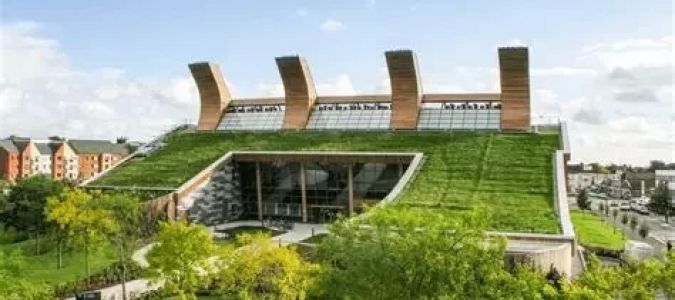
There are numerous examples of successful energy-efficient buildings around the world. For instance, the BedZED (Beddington Zero Energy Development) in the UK is a sustainable housing project that features homes designed to be highly energy-efficient and environmentally friendly. The homes use a combination of passive solar design, green roofs, and renewable energy sources to minimize energy consumption and carbon emissions.
Another great example is the Edge Building in Amsterdam, known for being one of the most sustainable office buildings in the world. With its cutting-edge energy-efficient design, including smart lighting, solar panels, and rainwater harvesting systems, the Edge sets the standard for green buildings and demonstrates the power of sustainable architecture in reducing energy usage and environmental impact.
These case studies highlight the importance of working with architects who specialize in energy-efficient buildings. Not only do these designs save money and reduce environmental impact, but they also improve the quality of life for the occupants by creating comfortable, healthy living environments.
If you’re interested in building an energy-efficient home or office space, consider working with a skilled architect who specializes in green and sustainable design. At 10 Jay Street, our architects are experts in energy-efficient architecture, ensuring that your building is both sustainable and cost-effective. Learn more about how we can help you create a green, energy-efficient home by visiting our website today.