

The Benefits of Choosing Architects with Expertise in Sustainable Urban Design
When it comes to building or redesigning spaces, whether residential, commercial, or public, the role of architects goes beyond just aesthetic appeal. As urbanization continues to rise globally, the need for sustainable urban design has never been more critical. Sustainable urban design is a practice that not only focuses on aesthetics but also on the environmental, social, and economic aspects of a space. In this article, we explore the benefits of choosing architects who specialize in sustainable urban design, and how their expertise can elevate both the quality and longevity of your project.
1. Understanding Sustainable Urban Design
Sustainable urban design is an approach that integrates environmentally friendly methods into the planning, construction, and operation of urban spaces. It involves using renewable resources, optimizing energy efficiency, and promoting eco-friendly materials that reduce the carbon footprint of buildings. Architects with expertise in this area are equipped to design structures that work harmoniously with the environment, rather than against it.
Unlike traditional design practices, which often prioritize immediate cost-effectiveness and visual appeal, sustainable design focuses on the long-term benefits. These may include reduced energy consumption, improved indoor air quality, and the use of materials that contribute to a healthier planet. An experienced architect specializing in sustainable urban design can assess a site's unique environmental factors, such as its climate and natural resources, to create a solution that minimizes environmental impact.
2. Economic Advantages: Reducing Operational Costs
One of the most significant benefits of choosing an architect with expertise in sustainable urban design is the potential for long-term cost savings. While the initial investment in sustainable materials and technologies may be higher, the reduction in operating costs over the building’s lifetime more than compensates for this. Sustainable buildings often feature energy-efficient systems that significantly lower utility bills. This can be particularly beneficial in urban areas where energy consumption is a major concern.
For example, incorporating energy-efficient insulation, windows, and HVAC systems can drastically reduce heating and cooling costs. Additionally, sustainable design often includes rainwater harvesting systems and renewable energy solutions, such as solar panels, which reduce dependency on external energy sources. In the long run, these systems not only save money but also increase the property’s market value, making it a more valuable asset.
3. Environmental Impact: Creating Eco-Friendly Spaces
Choosing architects with expertise in sustainable urban design is essential for minimizing the environmental impact of new developments. Sustainable design helps preserve natural ecosystems, reduce pollution, and decrease the use of non-renewable resources. Architects trained in sustainable urban design are skilled in designing spaces that use green technologies and materials, such as solar energy, wind power, and sustainable landscaping.
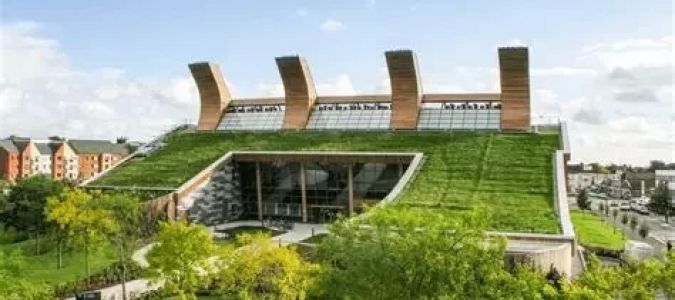
Additionally, sustainable urban design emphasizes the importance of green spaces and biodiversity. By incorporating parks, green roofs, and community gardens, sustainable designs promote biodiversity and contribute to healthier ecosystems. These green spaces also offer numerous benefits for urban dwellers, including improved mental health, better air quality, and opportunities for outdoor recreation.
4. Enhancing Quality of Life for Urban Dwellers
Urban spaces are not just places to work or live—they are communities. Sustainable urban design focuses on improving the overall quality of life for residents by creating environments that are healthier, more accessible, and more enjoyable. Architects who specialize in sustainable design understand the importance of creating spaces that foster a sense of community while prioritizing health and well-being.
For instance, sustainable urban designs often integrate walkability and accessibility into the planning, ensuring that pedestrians, cyclists, and those with disabilities can move freely within the space. These designs may include wider sidewalks, pedestrian-only zones, and bike lanes that encourage active lifestyles. Furthermore, sustainable urban environments often feature improved air and water quality, which directly contributes to better public health and overall well-being.
5. Social Responsibility: Supporting Sustainable Communities
When an architect incorporates sustainable principles into urban design, they are not only creating buildings but also contributing to the development of responsible and resilient communities. Sustainable urban design promotes social equity by providing affordable housing options, fostering inclusive spaces, and ensuring that the benefits of sustainable development are accessible to all residents, regardless of socioeconomic background.
By focusing on sustainability, architects can help create communities that are not only environmentally responsible but also socially inclusive. Sustainable urban design encourages mixed-use development, where residential, commercial, and recreational spaces coexist in a way that benefits everyone. This approach can lead to stronger communities, with more opportunities for social interaction, economic growth, and a higher quality of life for all residents.
6. The Future of Urban Living: Sustainable Urban Design as a Trend
As the world’s population continues to grow and urban areas become more densely populated, the demand for sustainable urban design is expected to increase. Cities are evolving, and the need for green, eco-friendly spaces will only become more pronounced in the coming years. Architects with expertise in sustainable urban design are at the forefront of this shift, helping to shape the cities of the future.
Looking ahead, sustainable design will play a key role in creating urban environments that are both livable and resilient to the challenges posed by climate change. From improving energy efficiency to enhancing public spaces, architects with expertise in sustainable urban design are making it possible for cities to thrive in an environmentally conscious manner. Choosing an architect who understands these principles is an investment in the future of your space and the world around you.