

- 1 - Why Preserving Historical Buildings Matters
- 2 - The Role of Architects in Preserving Historical Buildings
- 3 - Techniques Architects Use to Preserve Historical Buildings
- 4 - Real-World Examples of Successful Preservation Projects
- 5 - The Future of Historical Building Preservation
1 - Why Preserving Historical Buildings Matters
Historical buildings are more than just structures; they are cultural landmarks that tell the story of our past, our heritage, and the evolution of architecture. These buildings often reflect the values, technologies, and lifestyles of previous generations, and preserving them ensures that future generations can learn from them. Whether it’s a colonial-era house, a medieval castle, or an early 20th-century industrial site, historical buildings hold intrinsic value that goes beyond their physical appearance.
Unfortunately, these buildings are at risk of decay due to time, neglect, natural disasters, and modern development. That’s why the role of architects in preserving these structures is crucial. Architects not only help maintain the structural integrity of historical buildings but also ensure that their historical significance is respected while bringing them into modern use. Preservation isn't just about keeping old buildings; it’s about keeping history alive.
2 - The Role of Architects in Preserving Historical Buildings
Architects play a pivotal role in the preservation of historical buildings. Their expertise goes beyond simply restoring a building’s exterior or making it safe for modern use. Architects are responsible for balancing the building’s historical integrity with contemporary needs. Here’s how architects contribute to the preservation of historical buildings:
2.1. Assessing the Building’s Condition
Before any preservation work can begin, architects must thoroughly assess the building's condition. This includes evaluating the foundation, structural elements, materials, and any previous modifications. By understanding the building’s current state, architects can identify areas that need attention and determine which parts are essential for preservation.
2.2. Designing for Adaptive Reuse
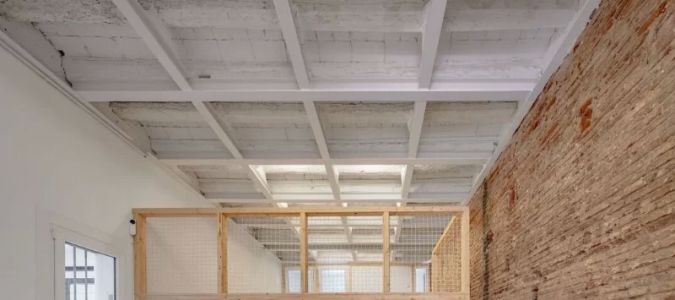
One of the key responsibilities of architects is designing for adaptive reuse. This concept involves repurposing a historical building for modern needs while retaining its historical character. For example, an old industrial warehouse may be transformed into an office building or apartment complex. Architects ensure that modern amenities are added in a way that doesn’t compromise the building’s historical charm.
2.3. Ensuring Compliance with Preservation Standards
Historical building preservation is governed by various local, state, and national guidelines. Architects are responsible for ensuring that any restoration work adheres to these preservation standards. These standards are put in place to protect the building’s historical value while still making it usable and safe for contemporary life.
3 - Techniques Architects Use to Preserve Historical Buildings
Architects use a range of techniques when preserving historical buildings. These techniques ensure that the building’s integrity is maintained while also meeting modern safety, environmental, and functional standards.
3.1. Material Conservation and Restoration
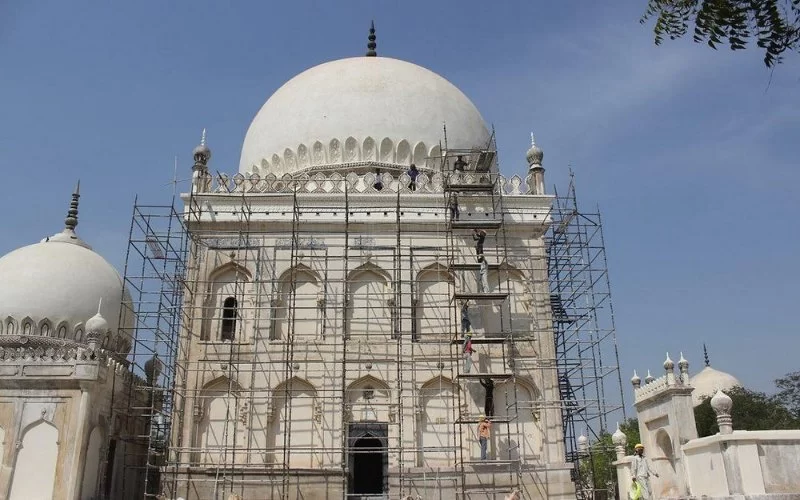
One of the primary techniques used in preservation is material conservation. Architects work to identify original materials, such as brick, wood, or stone, and restore them to their former condition. This can involve cleaning, repairing, or replacing damaged materials with historically accurate alternatives. For instance, restoring original windows may involve sourcing period-specific glass or hardware to maintain the building’s authentic appearance.
3.2. Structural Reinforcement
Over time, the structural integrity of a building may be compromised. Architects use various methods to reinforce the structure without altering its appearance. This can include installing discreet structural supports, reinforcing foundations, or adding modern materials that enhance durability without taking away from the building's aesthetic value.
3.3. Modern Systems Integration
In order to make historical buildings functional for modern use, architects incorporate modern systems such as plumbing, electrical wiring, HVAC systems, and fire safety features. These systems are often integrated in a way that is unobtrusive and does not interfere with the building’s historical character. For example, ducts and wiring may be concealed in walls or floors, and energy-efficient windows can be installed without changing the building’s overall look.
4 - Real-World Examples of Successful Preservation Projects
There are many examples of successful historical building preservation that showcase the ingenuity and expertise of architects. These projects highlight how it’s possible to breathe new life into old buildings while preserving their history for future generations.
4.1. The Louvre Pyramid – Paris, France
The Louvre Pyramid, located in Paris, is a prime example of adaptive reuse and architectural preservation. The pyramid, designed by architect I. M. Pei, was added to the Louvre Museum in the 1980s as a modern entrance to the historic museum. The project balanced the museum’s rich history with the need for a functional and contemporary entrance. The sleek, modern pyramid complements the historic Louvre buildings, making it a symbol of blending the old with the new.
4.2. The Colosseum – Rome, Italy
The Colosseum in Rome is an ancient structure that has been preserved through a combination of restoration and structural reinforcement. While much of the Colosseum remains in its original form, modern technologies have been used to stabilize the structure and prevent further damage from earthquakes and the passage of time. The Colosseum continues to be a major historical landmark and a popular tourist destination, thanks to ongoing preservation efforts.
4.3. The Palace of Westminster – London, England
The Palace of Westminster, home to the UK’s parliament, has undergone numerous restoration projects over the years to preserve its historical integrity. Architects and preservationists have worked tirelessly to ensure that the building’s iconic Gothic Revival architecture remains intact while updating the building’s infrastructure to meet modern safety standards. The recent restoration of the Big Ben clock tower is an excellent example of preserving an iconic structure while making necessary improvements.
5 - The Future of Historical Building Preservation
The future of historical building preservation looks bright, as architects continue to innovate and use new technologies to protect our shared heritage. Advances in materials science, building technology, and sustainable design are all playing a role in ensuring that historical buildings can be preserved for future generations.
Architects will continue to be at the forefront of these efforts, working to find solutions that balance preservation with modern needs. The challenge will always be to protect the authenticity of historical structures while making them functional for today’s world. As long as architects keep innovating and collaborating with preservationists, we can continue to enjoy these magnificent buildings for years to come.
If you’re interested in learning more about how architects contribute to preserving historical buildings or need professional advice for your own restoration projects, visit 10 Jay Street for expert services and recommendations.