

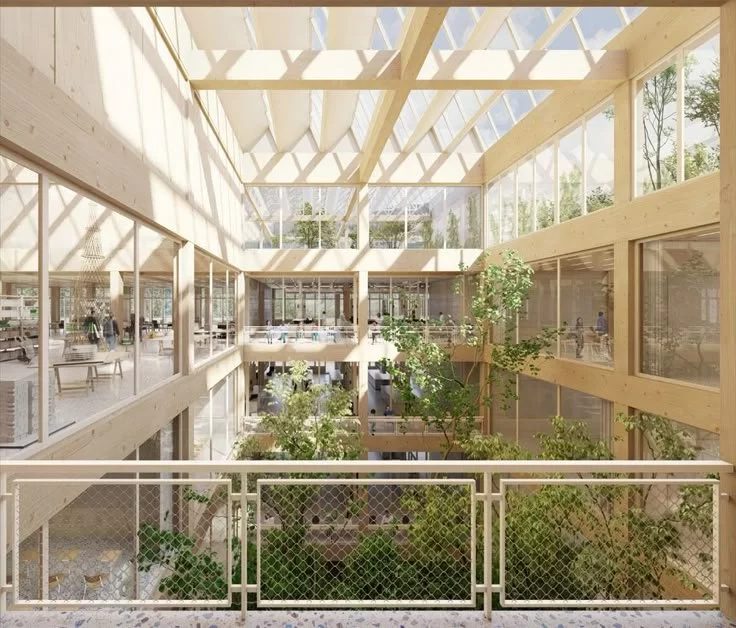
How to Incorporate Passive Design Features into Your Building Project

How to Incorporate Passive Design Features into Your Building Project

Learn how to incorporate passive design features into your building project. Discover how these sustainable strategies improve energy efficiency, reduce costs, and create comfortable living spaces.

  1. 10 Jay Street
  2. >
  3. Blog
How to Incorporate Passive Design Features into Your Building Project

1. Understanding Passive Design Features

Passive design refers to the strategic use of natural resources like sunlight, wind, and thermal mass to regulate the temperature and energy consumption of a building. It focuses on creating buildings that are energy-efficient, comfortable, and sustainable without relying heavily on mechanical systems like heating and cooling. Passive design features can significantly reduce a building’s energy footprint, making them an essential part of modern architecture and construction.

As someone who has been involved in several building projects, I can personally attest to how impactful passive design can be. Incorporating features like proper insulation, strategic window placement, and natural ventilation can drastically lower energy costs while enhancing the building's comfort. In this article, I will walk you through how to incorporate these features into your building project to maximize energy efficiency and sustainability.

2. Why Incorporate Passive Design Into Your Building Project?

There are several compelling reasons to integrate passive design into your building project, whether you're constructing a new home or renovating an existing one. Below are some of the key benefits that I’ve observed during my experience in the field:

  • Energy Efficiency: Passive design reduces the need for artificial heating and cooling systems by optimizing the building’s natural energy flow. This can lead to substantial savings on energy bills over time. I’ve seen firsthand how well-placed windows, proper insulation, and shading can cut energy consumption dramatically.
  • Comfort: A well-designed building with passive features maintains a more consistent indoor temperature, improving comfort for its occupants. This means less reliance on air conditioning during hot months and less need for heating during cold months.
  • Environmental Impact: Passive design contributes to sustainability by reducing the building’s carbon footprint. Using renewable energy sources like solar energy or passive heating helps decrease dependency on non-renewable resources and lowers greenhouse gas emissions.
  • Cost Savings: While the initial cost of incorporating passive design features may be higher, the long-term savings on energy bills can be significant. Additionally, governments and local councils may offer incentives or rebates for buildings that meet green standards, making it a cost-effective investment in the future.

3. Key Passive Design Elements for Your Building

When incorporating passive design into your building project, it’s essential to focus on several key elements that will optimize the energy efficiency and sustainability of your building. Below are some of the primary passive design features to consider:

3.1 Solar Orientation

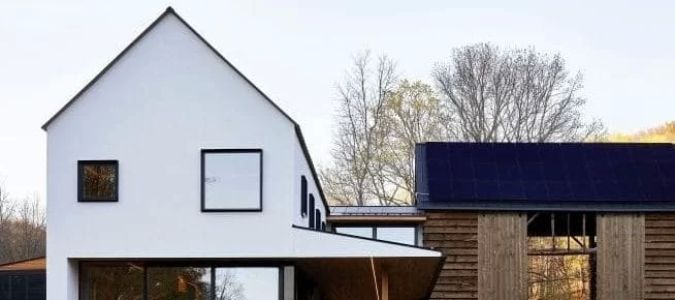
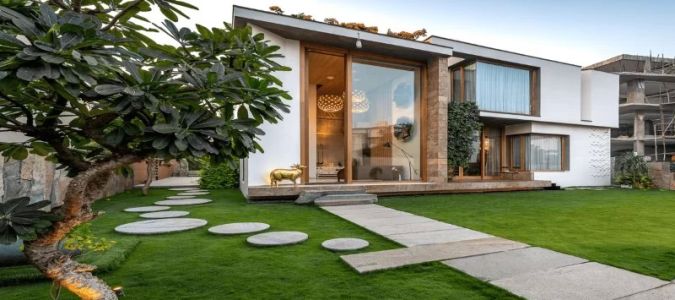
One of the first things to consider in passive design is the solar orientation of your building. Properly positioning your home or building to take advantage of the sun’s path can significantly reduce energy consumption. By maximizing solar gain in the winter and minimizing it in the summer, you can reduce heating and cooling costs. For example, large windows should be placed on the south-facing side of the building to allow sunlight to naturally warm the interior during the colder months, while overhangs or shading devices can block harsh summer sun.

3.2 Insulation

Proper insulation is critical for reducing heat loss or gain. By ensuring that walls, roofs, and floors are well insulated, you create a thermal envelope that minimizes energy transfer. In my own projects, I’ve seen how insulation materials like spray foam, cellulose, or rigid foam can enhance energy efficiency and maintain consistent indoor temperatures. High-quality insulation not only reduces heating and cooling needs but also contributes to noise reduction and better overall comfort.

3.3 Natural Ventilation

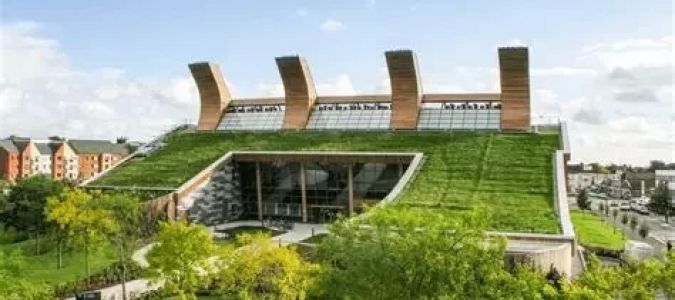
Natural ventilation is another key component of passive design. Instead of relying on air conditioning, natural ventilation uses windows, vents, and other openings to allow fresh air to flow through the building. Strategically placed windows and vents can help regulate indoor air quality and reduce the need for mechanical cooling. For example, cross-ventilation (the practice of placing windows or vents on opposite sides of the building) allows cool air to enter while pushing warm air out. This simple technique can greatly enhance a building’s air quality and energy efficiency.

3.4 Thermal Mass

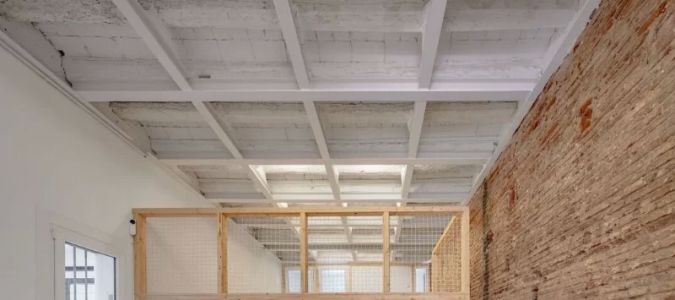
Thermal mass refers to the ability of materials to absorb and store heat. Materials like concrete, brick, and stone have high thermal mass, meaning they can absorb heat during the day and slowly release it at night, helping to stabilize the building’s temperature. By incorporating thermal mass into your design, you can reduce the need for artificial heating and cooling. I’ve often recommended using exposed concrete floors or walls in homes located in regions with extreme temperature fluctuations to take advantage of this natural temperature regulation.

4. Practical Tips for Implementing Passive Design

Integrating passive design into your building project requires careful planning and attention to detail. Here are a few practical tips based on my experience that will help you incorporate passive design features into your project:

  • Consult with Professionals: It’s essential to work with architects or designers who are experienced in passive design. Their expertise will ensure that your building is optimally oriented, has the right insulation, and benefits from natural ventilation.
  • Choose the Right Materials: Select materials with good insulation properties and high thermal mass, such as insulated concrete forms (ICFs), passive house windows, or energy-efficient doors.
  • Prioritize Energy-Efficient Windows: High-performance windows with low U-values (the rate of heat transfer) are key to reducing energy loss. Consider triple-glazed windows, which offer superior insulation, or Low-E glass windows that help minimize solar heat gain during the summer.
  • Consider Solar Energy: Solar panels can complement your passive design by providing clean, renewable energy. Integrating solar energy into your building can further reduce your reliance on the grid and improve the sustainability of your home or building.

5. Real-Life Examples of Passive Design Success

Many buildings around the world have successfully incorporated passive design elements to reduce energy consumption and improve comfort. One example is the Passive House Institute’s certification, which recognizes buildings that meet the highest energy efficiency standards. These buildings use a combination of insulation, airtightness, and advanced ventilation systems to achieve outstanding energy efficiency while maintaining a comfortable indoor climate.

Another example comes from a personal project where we designed a home in a colder climate using passive design principles. The building had large south-facing windows to capture sunlight during the winter, thick insulation in the walls and roof, and a heat-recovery ventilation system. After the first year, the homeowners reported significant savings on heating bills and a noticeable improvement in indoor comfort. It was a rewarding experience to see how passive design made such a difference in both sustainability and quality of life.

Incorporating passive design features into your building project can seem like a complex task, but the long-term benefits are well worth the effort. Whether you're building a new home or renovating an existing structure, taking the time to consider these strategies will create an energy-efficient, comfortable, and sustainable living space. For expert advice and high-quality building materials to support your passive design project, visit 10 Jay Street for the best products and services.
More

Why Energy Efficiency Should Be a Top Priority for Architects in Every Design Decision

Why Energy Efficiency Should Be a Top Priority for Architects in Every Design Decision

Discover why architects must prioritize energy efficiency in every design decision. Learn how sustainable and energy-efficient design practices can impact the environment and reduce long-term costs.

Mar 01, 2026
How to Bring Nature Into Your Interior Design with Architecture

How to Bring Nature Into Your Interior Design with Architecture

Discover how to incorporate nature into your interior design with architecture. Learn about biophilic design, natural materials, and more for a healthier, more inspiring space.Incorporating Nature Into Interior Design: A Natural Approach Why Bring Nature Into Your Interior Design? Principles of Biophilic Design Using Natural Materials in Architecture How Greenery and Plants Enhance Interiors Creating Nature-Inspired Spaces in Your Home1. Why Bring Nature Into Your Interior Design?When I first decided to transform my living space, I was drawn to the idea of incorporating nature into the design. There’s something incredibly soothing and calming about the natural world, and I wanted my home to reflect that tranquility. Bringing nature into interior design isn’t just about aesthetics; it’s about creating an environment that nurtures well-being, fosters relaxation, and reconnects us with the outdoors, especially in urban spaces.What I’ve learned over time is that nature-inspired design has numerous benefits. It can reduce stress, improve mood, and even increase productivity. Whether you're renovating a single room or designing your entire home, incorporating natural elements can create a healthier and more inspiring space. Plus, it’s a fantastic way to introduce warmth and life into any interior.2. Principles of Biophilic DesignBiophilic design is a term that’s been gaining popularity in the architecture and interior design world, and for good reason. It refers to the practice of connecting people to nature through design elements. There are several core principles of biophilic design that I’ve used to guide my approach to incorporating nature into my space: Natural Light: One of the most fundamental elements is bringing in as much natural light as possible. This can be achieved through large windows, skylights, or light-colored walls that reflect light. I’ve found that natural light has a profound effect on mood and energy levels. Natural Materials: Using materials such as wood, stone, and bamboo can make a huge difference in creating an authentic, nature-inspired atmosphere. Natural materials not only add texture and depth but also create a connection to the earth. Indoor Plants: Integrating greenery into your space is another key principle. Plants not only purify the air but also bring color, life, and vibrancy to any room. I’ve found that placing a few large houseplants or even creating a small indoor garden adds a refreshing touch. Water Features: Incorporating elements of water, such as small indoor fountains or water walls, can enhance the sensory experience of a space. The sound of flowing water is both calming and grounding, and it’s something I’ve incorporated into my bathroom and living areas.3. Using Natural Materials in ArchitectureOne of the most powerful ways to incorporate nature into interior design is by using natural materials in architecture. These materials not only create beautiful spaces but also promote a sustainable and eco-friendly approach to design. Here are a few materials that I highly recommend considering: Wood: Wood has a timeless quality that can warm up any space. Whether it’s in the form of hardwood floors, exposed beams, or wooden furniture, wood instantly connects a space to nature. It’s an essential part of the biophilic design that I incorporate into my home, whether through polished oak floors or reclaimed wood furniture. Stone: From marble countertops to slate walls, stone adds an earthy elegance to any interior. It’s durable and offers a sense of permanence that makes it a perfect material for both modern and rustic homes. Bamboo: Bamboo is not only sustainable but also incredibly versatile. I’ve seen it used in everything from flooring and furniture to light fixtures. It’s a great choice for creating an eco-friendly home that’s still chic and stylish.Incorporating these materials into your space creates a sense of grounding and connection to the earth, while also adding texture and interest. Whether you're designing a contemporary urban apartment or a countryside home, using natural materials helps foster a welcoming and balanced environment.4. How Greenery and Plants Enhance InteriorsWhen I added plants to my space, it was an immediate game changer. Greenery has an amazing ability to transform a room, adding both visual appeal and a sense of vitality. Plants are also known for their health benefits—they improve indoor air quality by removing toxins and releasing oxygen.I recommend starting with a few indoor plants that are easy to care for, such as peace lilies, snake plants, or succulents. These plants can thrive in low light and require minimal maintenance, making them perfect for beginners. As I added more plants to my space, I noticed that they not only brightened up the room but also created a more relaxing and calming atmosphere.For those who want to take it a step further, consider creating an indoor garden or even growing herbs in your kitchen. Having plants in every room of the house is a simple yet effective way to integrate nature into your interior design.5. Creating Nature-Inspired Spaces in Your HomeOnce I understood the principles of biophilic design, I was able to create specific spaces that truly reflected nature. Here are some ideas for incorporating nature into different areas of your home: Living Room: I focused on making my living room feel like an extension of the outdoors by using natural wood furniture, soft textiles, and plenty of indoor plants. I also created a small reading nook with lots of natural light where I could relax and connect with nature. Kitchen: In my kitchen, I added natural stone countertops, bamboo shelves, and a herb garden by the window. This small addition not only made the space more beautiful but also practical. Bedroom: For the bedroom, I used a calming color palette inspired by nature—earthy tones like greens, browns, and soft whites. A large potted plant in the corner and a few wood accents created a serene and restful environment.The key to creating nature-inspired spaces is to focus on simplicity and tranquility. Whether you’re designing a room from scratch or just looking to refresh your space, incorporating elements from nature will create a calm and welcoming environment.If you’re looking for unique pieces or expert advice on incorporating nature into your home design, check out 10 Jay Street. They offer a variety of products and services that can help you create a nature-inspired home that’s as beautiful as it is functional.

Mar 01, 2026
The Role of Architects in Creating Smart Cities

The Role of Architects in Creating Smart Cities

Learn The Role of Architects in Creating Smart Cities and how architects design sustainable, connected urban environments with innovative planning and smart infrastructure.

Feb 28, 2026
Why Architects Must Prioritize Sustainability in Every Project

Why Architects Must Prioritize Sustainability in Every Project

Learn why architects must prioritize sustainability in every project. Discover how sustainable design reduces costs, improves efficiency, and supports long-term building performance.

Feb 26, 2026
Why Open Concept Spaces Are Here to Stay in Modern Architecture

Why Open Concept Spaces Are Here to Stay in Modern Architecture

Explore why open concept spaces are a staple in modern architecture. Learn about the benefits, challenges, and future trends of open concept designs for homes and businesses.

Feb 26, 2026
How to Navigate the Complexities of Architecture and Building Permits

How to Navigate the Complexities of Architecture and Building Permits

Learn how to navigate the complexities of architecture and building permits. Discover permit requirements, zoning rules, and expert tips to avoid costly construction delays.

Feb 26, 2026