

How to Design Green Buildings That Improve Urban Air Quality
As cities grow and urban environments become more congested, improving air quality is a critical concern for urban planners and architects alike. Green buildings, designed with sustainability in mind, play an essential role in improving urban air quality. These buildings go beyond reducing energy consumption; they focus on enhancing the overall environmental impact, including air quality. In this article, we explore the design elements and strategies that can help create buildings that contribute positively to the air quality in our cities.
- 1. Why Green Buildings Are Important for Urban Air Quality
- 2. Key Design Principles for Green Buildings
- 3. Using Eco-Friendly Materials in Building Design
- 4. Incorporating Nature into Urban Design
- 5. Successful Case Studies of Green Buildings
1. Why Green Buildings Are Important for Urban Air Quality
Urban air pollution is a significant problem in many cities worldwide, affecting public health and contributing to climate change. Green buildings help mitigate these issues by reducing emissions, improving ventilation, and incorporating natural elements that absorb pollutants. The integration of energy-efficient systems and the use of non-toxic materials contribute to cleaner indoor and outdoor air quality, benefiting both the building’s occupants and the surrounding community.
2. Key Design Principles for Green Buildings
Designing green buildings that effectively improve urban air quality involves a range of strategies. The following principles are essential for creating buildings that have a positive environmental impact:
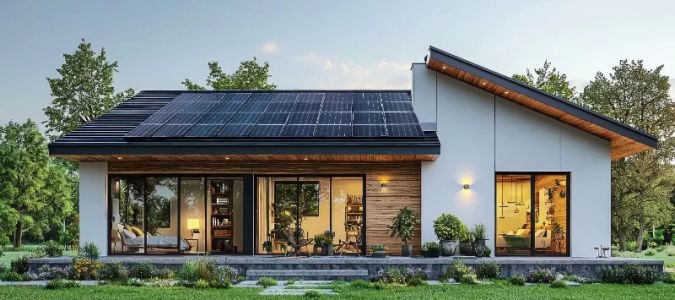
- Energy Efficiency: One of the main goals of green building design is reducing energy consumption. By using high-performance insulation, efficient HVAC systems, and renewable energy sources like solar panels, buildings can significantly reduce their carbon footprint.
- Ventilation and Airflow: Good ventilation is crucial for improving indoor air quality. Green buildings often incorporate natural ventilation systems, such as operable windows or ventilated facades, which help bring fresh air inside while expelling polluted air.
- Water Conservation: Green buildings also prioritize water-efficient systems that reduce water consumption. By using rainwater harvesting systems, low-flow plumbing fixtures, and water-efficient landscaping, these buildings can contribute to a more sustainable urban environment.
- Waste Management: Waste reduction strategies such as recycling, composting, and utilizing materials with a lower environmental impact are fundamental in green building design. These practices not only reduce waste but also prevent harmful substances from contaminating the air.
3. Using Eco-Friendly Materials in Building Design
The materials used in a building’s construction can have a significant impact on both its environmental footprint and the air quality. Eco-friendly materials, such as recycled metals, low-VOC (volatile organic compounds) paints, and sustainable wood, can help improve indoor air quality by minimizing harmful emissions. These materials also reduce the need for resource-intensive manufacturing processes that contribute to air pollution.
By prioritizing locally sourced, renewable materials, green building projects can further reduce transportation-related emissions, which are a significant contributor to air pollution in urban areas. Additionally, using natural materials like bamboo, cork, and reclaimed wood can add aesthetic value while also benefiting the environment.
4. Incorporating Nature into Urban Design
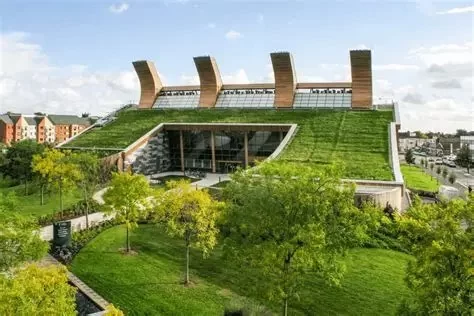
One of the most effective ways to improve urban air quality is to incorporate green spaces and natural elements into the built environment. The use of green roofs, vertical gardens, and urban forests can significantly improve air quality by filtering out pollutants and providing oxygen. Trees and plants act as natural air purifiers by absorbing carbon dioxide and releasing oxygen, making them an essential component of green building designs.
Additionally, green spaces can help reduce the urban heat island effect, a phenomenon where cities become significantly warmer than surrounding rural areas due to the concentration of buildings and infrastructure. By introducing more greenery, cities can not only improve air quality but also create more comfortable and livable spaces for residents.
5. Successful Case Studies of Green Buildings
There are numerous examples worldwide of green buildings that have made a significant impact on urban air quality. Here are a few noteworthy case studies:
- The Edge, Amsterdam: Known as one of the greenest buildings in the world, The Edge features state-of-the-art sustainability technologies, including solar panels, a rainwater harvesting system, and energy-efficient lighting. Its design maximizes natural light and ventilation, significantly reducing energy consumption while improving indoor air quality.
- One Central Park, Sydney: This iconic building incorporates vertical gardens designed by famous botanist Patrick Blanc. These green walls help filter air, reduce the urban heat island effect, and improve the overall aesthetic of the city skyline.
- 10 Jay Street, Brooklyn: Located in Brooklyn, New York, 10 Jay Street is another prime example of a green building. With a focus on energy-efficient technologies and sustainable construction practices, it promotes air quality improvement in the dense urban environment of Brooklyn.
By integrating these design elements into buildings, architects and developers can create spaces that not only reduce their carbon footprint but also contribute positively to the surrounding environment.