

The Growing Importance of Environmental Impact Assessments in Architecture
As the world faces increasing environmental challenges, the role of architecture in shaping a sustainable future has never been more critical. Environmental Impact Assessments (EIA) have become a key tool in the architectural design process, ensuring that new constructions are both environmentally responsible and sustainable. This article explores the growing importance of EIA in architecture, its impact on building design, and the benefits it brings to both the environment and society.
- What is Environmental Impact Assessment (EIA)?
- The Role of EIA in Architecture
- Benefits of EIA in Architecture
- Challenges in Implementing EIA
- Real-World Examples of EIA in Architecture
- The Future of EIA in Architecture
1. What is Environmental Impact Assessment (EIA)?
Environmental Impact Assessment (EIA) is a process used to evaluate the environmental consequences of a proposed construction project before any decision is made. It involves analyzing the potential impacts on air, water, land, ecosystems, and human health. The EIA process allows architects, developers, and local authorities to identify negative environmental effects early and implement strategies to mitigate them.
EIAs are particularly important in the architecture and construction sectors, where projects often have long-term environmental consequences. They ensure that building designs prioritize sustainability and environmental protection from the outset.
2. The Role of EIA in Architecture
The role of EIA in architecture is to guide architects and designers in making informed decisions that minimize environmental damage while maximizing resource efficiency. By incorporating EIA into the planning and design phases of a project, architects can:
- Assess Environmental Risks: EIA helps identify potential risks to the environment, such as soil erosion, habitat destruction, or pollution from construction activities.
- Promote Sustainable Building Materials: The process encourages the use of eco-friendly building materials that reduce the environmental footprint of the construction.
- Ensure Compliance with Regulations: EIA ensures that building projects comply with environmental regulations and sustainability standards set by local governments and international bodies.
- Optimize Energy Efficiency: EIAs help architects design buildings that reduce energy consumption, through better insulation, renewable energy systems, and sustainable heating/cooling solutions.
3. Benefits of EIA in Architecture
The benefits of integrating Environmental Impact Assessments into architecture are far-reaching. Some of the most significant advantages include:
- Environmental Preservation: By identifying and mitigating harmful environmental effects early on, EIA ensures that building projects contribute positively to the environment.
- Cost Savings: Implementing sustainable design practices identified through the EIA process can lead to long-term cost savings, including energy efficiency and reduced operational costs.
- Enhanced Public Image: Companies and developers who prioritize sustainability through EIA gain a reputation for environmental responsibility, which can attract environmentally-conscious customers and investors.
- Improved Legal and Regulatory Compliance: Adhering to EIA guidelines ensures compliance with local, national, and international environmental regulations, reducing the risk of legal complications during or after construction.
- Social and Community Benefits: Sustainable architecture and the preservation of natural habitats improve the quality of life for local communities, fostering well-being through access to green spaces and improved air quality.
4. Challenges in Implementing EIA
Despite the clear benefits of EIAs, there are challenges in its implementation. Some of the common issues include:
- High Initial Costs: The process of conducting thorough environmental impact assessments can be costly, which may deter some developers from prioritizing it in their projects.
- Lack of Expertise: Implementing EIA requires specialized knowledge, and there may be a shortage of professionals who are both trained in environmental science and familiar with architectural processes.
- Time Constraints: In some cases, the time required for a thorough EIA may delay project timelines, particularly in fast-paced construction markets where speed is prioritized.
- Resistance from Stakeholders: Developers and contractors may resist the changes required by EIA findings, as they may involve additional costs, redesigns, or delays in construction schedules.
5. Real-World Examples of EIA in Architecture
Several notable architecture projects have successfully integrated EIA into their design processes, ensuring sustainability and minimizing environmental impact. Some real-world examples include:
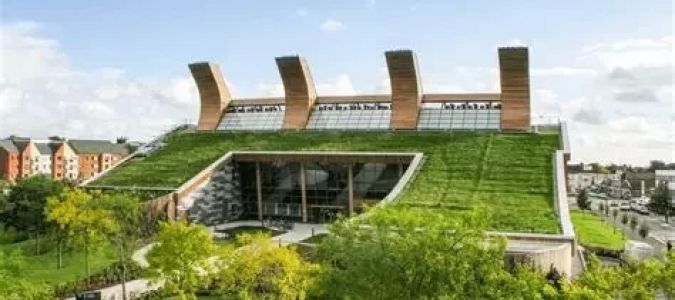
The Eden Project, UK: The Eden Project, a large environmental complex in Cornwall, integrates sustainable design and environmental protection at every level. An extensive EIA was carried out before construction to assess the impact on local ecosystems and the surrounding environment.
The Bosco Verticale, Italy: The Vertical Forest in Milan is an iconic example of sustainable urban architecture. An EIA was conducted to ensure that the project's green design would improve air quality and enhance the local environment without causing harm to the surrounding area.
One Central Park, Australia: This development in Sydney is a prime example of incorporating green spaces into urban architecture. An extensive EIA was conducted to analyze the environmental impact of the building's green roofs and public spaces.
6. The Future of EIA in Architecture
The future of Environmental Impact Assessments in architecture looks promising as sustainability becomes a higher priority in global design practices. The following trends are shaping the future of EIA in architecture:
- Integration of Advanced Technology: The use of digital tools, such as AI and simulations, will make it easier for architects to predict and assess the environmental impacts of their designs in real-time.
- Stricter Regulations: As climate change becomes an even more urgent global issue, governments and organizations will likely enforce stricter regulations regarding environmental assessments and sustainability in building projects.
- Focus on Resilience: EIA will increasingly focus on creating resilient buildings that can withstand extreme weather conditions, particularly in areas affected by climate change.
- Collaboration Across Sectors: The future of EIA will involve more collaboration between architects, urban planners, environmental scientists, and community stakeholders to create designs that are environmentally responsible and socially inclusive.
As sustainability continues to take center stage in architecture, the integration of Environmental Impact Assessments will be an essential part of the design and construction process. Not only does it protect the environment, but it also fosters a more sustainable, resilient, and cost-effective approach to modern architecture.