

- 1. Importance of Community-Focused Buildings
- 2. Integrating Local Identity into Architectural Design
- 3. Designing for Function and Culture
- 4. Real-Life Example: A Successful Community-Focused Building
- 5. Recommendations from 10 Jay Street for Your Design Project
1. Importance of Community-Focused Buildings
In today’s architectural landscape, it’s no longer enough for buildings to simply serve their intended function. There’s a growing recognition that spaces should be designed with the community in mind, reflecting both the physical and cultural identity of the area they occupy. Community-focused buildings serve as more than just structures; they become gathering points, sources of pride, and symbols of local identity. When designed thoughtfully, they strengthen community bonds and foster a sense of belonging.
2. Integrating Local Identity into Architectural Design
One of the core principles of designing a community-focused building is the integration of local identity. This involves understanding and incorporating the unique cultural, historical, and social elements of the area. Local identity can manifest in various ways:
- Historical Context: Design elements that reflect the region’s history, such as architectural styles, materials, and cultural references, can create a building that feels rooted in its surroundings.
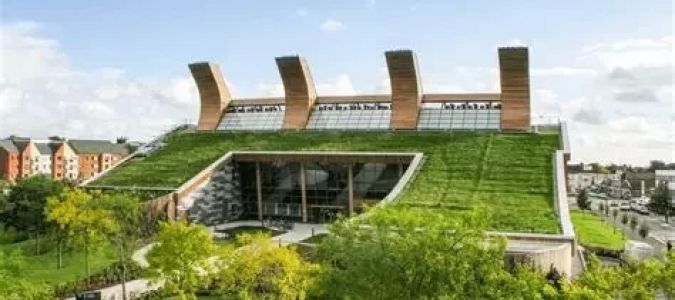
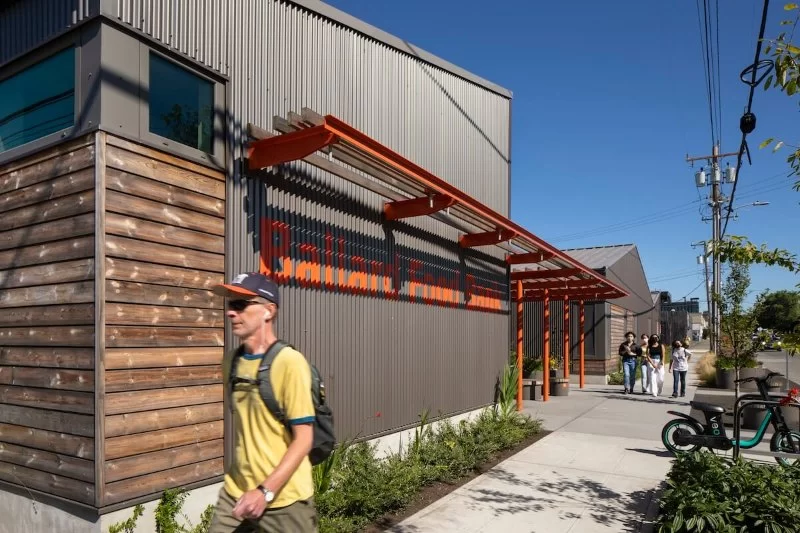
- Natural Environment: The natural landscape can influence architectural decisions. For example, using locally sourced materials or incorporating natural features like gardens or outdoor spaces enhances the connection between the building and its environment.
- Community Input: Engaging with local residents and stakeholders during the design process ensures that the building reflects the desires and needs of the community. Incorporating their ideas and preferences helps make the space more meaningful and relevant.
3. Designing for Function and Culture
While it’s important for a building to reflect the local identity, it’s equally important to ensure that the space serves its functional purpose. Whether it's a community center, library, or civic building, the design should accommodate the activities and needs of the people who will use it.
- Flexible Spaces: Consider incorporating adaptable spaces that can be used for a variety of functions. This could include multi-purpose rooms, outdoor gathering areas, or communal workspaces that encourage interaction.
- Accessibility: Ensuring that the building is accessible to all members of the community, including those with disabilities, is essential. Universal design principles should be incorporated to create a welcoming environment for everyone.
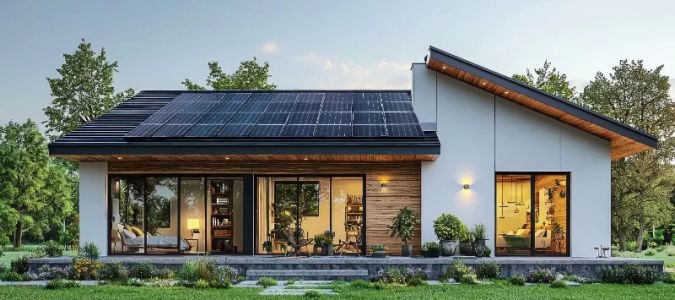
- Sustainability: Designing with sustainability in mind not only reflects the values of the community but also creates long-lasting, eco-friendly spaces. Incorporating renewable energy sources, green building materials, and water-saving systems can help make the building more sustainable.
4. Real-Life Example: A Successful Community-Focused Building
A great example of a community-focused building that reflects local identity is the Queen’s Park Community Centre in Vancouver, Canada. Designed with input from local residents, the center integrates elements of the surrounding landscape and indigenous cultural motifs. The building uses sustainable materials and incorporates a large open-plan community hall, a library, and a café that acts as a social hub for the neighborhood. This project illustrates how thoughtful design can bring together both the functional and cultural aspects of a community.
5. Recommendations from 10 Jay Street for Your Design Project
If you’re planning a community-focused building project, 10 Jay Street offers expert services to help you navigate the complexities of blending local identity with architectural design. Here are a few recommendations:
- Research the Community: Spend time understanding the history, culture, and values of the community. This foundational knowledge will guide your design decisions.
- Prioritize Community Engagement: Actively involve community members throughout the design process to ensure the building meets their needs and reflects their identity.
- Embrace Innovation: While it’s important to respect local traditions, don’t be afraid to innovate. The balance between tradition and innovation is what makes a community building truly timeless.