

- 1. Importance of Energy Efficiency in Architecture
- 2. The Role of Architects in Promoting Sustainability
- 3. Key Principles of Energy-Efficient Design
- 4. Case Studies of Energy-Efficient Buildings
- 5. Future Trends in Energy-Efficient Architecture
1. Importance of Energy Efficiency in Architecture
As an architect, I’ve come to realize that one of the most important aspects of any building design is energy efficiency. Not only does it play a crucial role in minimizing environmental impact, but it also offers long-term cost savings for building owners and occupants. With the increasing global awareness of climate change and the need for sustainable practices, energy-efficient architecture is no longer a luxury—it’s a necessity.
Buildings consume a large portion of the world’s energy, and the demand for energy-efficient buildings has grown as we strive to reduce our carbon footprints. Whether it’s through better insulation, smart HVAC systems, or using renewable energy sources, the goal is clear: to design buildings that consume less energy while maintaining comfort, functionality, and aesthetics.
By focusing on energy-efficient design, architects can help mitigate climate change, reduce the demand for fossil fuels, and create spaces that are not only sustainable but also cost-effective for their owners. It’s this integration of environmental consciousness with architectural creativity that makes energy-efficient design such an exciting and important aspect of modern architecture.
2. The Role of Architects in Promoting Sustainability
Architects have a unique role in shaping the built environment and, in turn, influencing how energy is used and conserved. Every design decision—whether it’s the orientation of a building, the materials chosen, or the type of windows installed—can have a profound impact on the energy efficiency of a space. As an architect, I believe it’s crucial to integrate sustainability into the very fabric of a design from the beginning.
Energy-efficient design isn’t just about using the latest technology or adding solar panels. It’s about creating a building that works with its environment. For instance, strategically placing windows for natural light, using shading devices to reduce heat gain in the summer, or selecting high-performance insulation materials are all fundamental to creating energy-efficient spaces. By incorporating these strategies from the start, architects can help reduce energy consumption and create buildings that are both environmentally and economically sustainable.
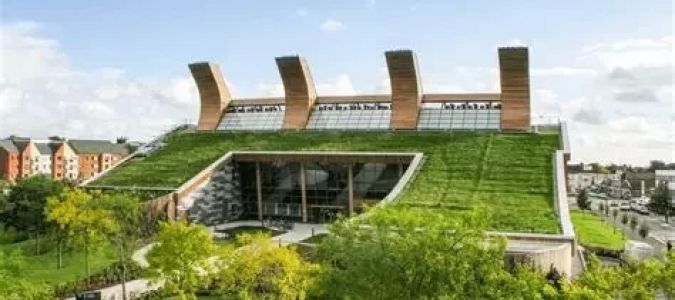
Additionally, architects must stay informed about the latest sustainable technologies and trends. Whether it’s integrating smart building systems that optimize energy use or designing green roofs that reduce the urban heat island effect, staying ahead of the curve allows architects to create buildings that are truly sustainable. It's not just about responding to current needs but anticipating future challenges in energy use and environmental conservation.
3. Key Principles of Energy-Efficient Design
Creating an energy-efficient building involves a combination of thoughtful planning, strategic design, and the use of innovative materials and technologies. As I’ve learned, there are several key principles that every architect should consider when designing energy-efficient spaces:
3.1 Passive Design Strategies
One of the most effective ways to enhance energy efficiency is through passive design strategies. These strategies focus on using the natural environment to heat, cool, and light a building. For example, orienting a building to take advantage of sunlight in the winter and minimizing exposure to heat in the summer can significantly reduce energy consumption. I’ve seen how thoughtful placement of windows, the use of thermal mass to store heat, and proper insulation can reduce the need for mechanical heating and cooling.
3.2 High-Performance Insulation
Insulation is a key element in energy-efficient design. Proper insulation prevents heat from escaping in the winter and keeps it cool in the summer, reducing the need for artificial heating and cooling. Over the years, I’ve seen how the right insulation materials—such as spray foam or cellulose—can drastically improve a building's energy performance. Not only does this help reduce energy consumption, but it also contributes to a more comfortable living environment for the occupants.
3.3 Energy-Efficient Windows
Windows play a critical role in a building’s energy efficiency. Poorly insulated windows can lead to heat loss and uncomfortable indoor temperatures. By selecting energy-efficient windows with low-emissivity (low-E) coatings and double or triple glazing, architects can ensure that buildings are better insulated from the elements. I’ve also seen how strategically placing windows for optimal natural light can reduce the need for artificial lighting during the day, further enhancing a building’s energy efficiency.
3.4 Renewable Energy Integration
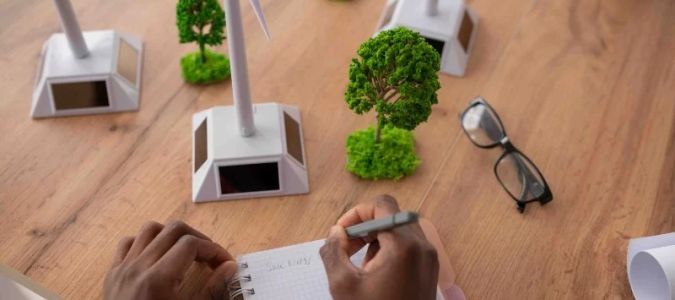
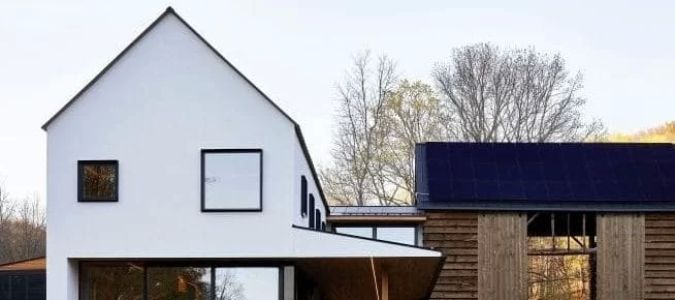
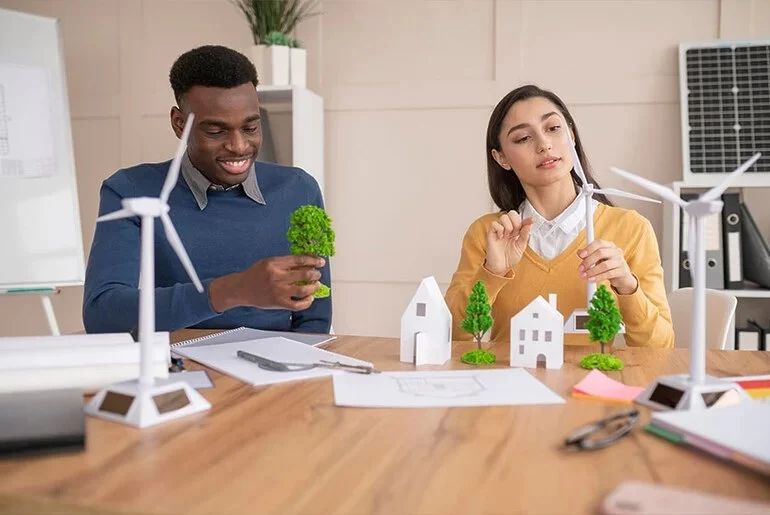
Integrating renewable energy sources, such as solar panels or wind turbines, into building designs is an essential step towards achieving sustainability. I’ve been involved in projects where we’ve incorporated photovoltaic panels on roofs or designed buildings to be “net-zero,” meaning they produce as much energy as they consume. By using renewable energy, buildings can become more self-sufficient and reduce their reliance on fossil fuels.
4. Case Studies of Energy-Efficient Buildings
Looking at real-world examples of energy-efficient buildings can be incredibly insightful. One of my favorite case studies is the Bullitt Center in Seattle, often called the "greenest commercial building in the world." The building uses solar power, rainwater collection systems, and high-performance insulation to achieve net-zero energy consumption. It also features large windows for natural light and passive design elements that reduce the need for heating and cooling.
Another impressive example is the One Central Park development in Sydney, Australia. This mixed-use development incorporates green roofs, solar panels, and water recycling systems. The buildings are designed to maximize energy efficiency through passive cooling, natural ventilation, and shading strategies, all contributing to a reduced environmental footprint.
These buildings exemplify how energy-efficient design doesn’t just reduce environmental impact—it can also create healthier, more comfortable spaces for people to live and work in. As architects, these are the types of projects that inspire us to push the boundaries of what’s possible in sustainable design.
5. Future Trends in Energy-Efficient Architecture
Looking ahead, the future of energy-efficient architecture is incredibly exciting. With new technologies and materials constantly emerging, architects have more opportunities than ever to create buildings that are not only energy-efficient but also environmentally restorative. Some of the most promising trends I’ve seen include:
- Smart Building Technologies: These technologies use sensors and automation to optimize energy usage in real-time. For example, smart thermostats can adjust heating and cooling based on occupancy, while lighting systems can automatically adjust depending on natural light levels.
- Building-Integrated Photovoltaics: Solar panels that are integrated into the building’s structure (like windows or roofs) offer a more seamless and aesthetically pleasing way to incorporate renewable energy into buildings.
- Carbon-Neutral Building Designs: More buildings are being designed to achieve carbon neutrality, meaning they offset their carbon emissions through energy-efficient design, renewable energy, and carbon capture technologies.
As architects, we’re continuously exploring new ways to improve energy efficiency, and these innovations will only continue to evolve as we look toward a more sustainable future.
If you’re interested in learning more about energy-efficient building design or looking for sustainable architecture services, be sure to visit 10 Jay Street for personalized recommendations and insights on sustainable architecture projects.