

Exploring the Relationship Between Architecture and Sustainability
- 1. Understanding Sustainability in Architecture
- 2. Core Principles of Green Architecture
- 3. Benefits of Sustainable Architecture
- 4. Case Studies in Sustainable Architecture
- 5. The Future of Architecture and Sustainability
1. Understanding Sustainability in Architecture
When we think about architecture, the first thing that comes to mind may be the aesthetic beauty, design, and functionality of a building. However, as the world faces growing environmental challenges, sustainability has become a crucial aspect of modern architectural design. Sustainability in architecture refers to creating structures that are environmentally responsible and resource-efficient throughout their lifecycle—from site planning and design to construction, operation, and demolition.
The Importance of Sustainable Design
At its core, sustainable architecture is about minimizing the negative impact of buildings on the environment. The goal is to create spaces that are energy-efficient, use renewable resources, and reduce carbon footprints. This is achieved by using green building materials, optimizing energy use, and ensuring the structure blends harmoniously with its surroundings. As our climate continues to change, it’s becoming increasingly important for architects to incorporate sustainability into their designs.
2. Core Principles of Green Architecture
Green architecture is a subset of sustainable architecture, but it specifically focuses on creating buildings that are environmentally friendly and resource-efficient. The core principles of green architecture often revolve around several key areas:
Energy Efficiency
Energy-efficient buildings are designed to minimize energy consumption. This can include passive design strategies such as proper insulation, natural ventilation, and solar energy usage. Additionally, energy-efficient lighting and heating systems can help reduce the building’s overall carbon footprint.
Resource Conservation
Green buildings are designed to minimize waste, conserve water, and use sustainable materials. Recycled and locally sourced materials reduce the environmental impact of construction, and water-saving fixtures help reduce consumption. The goal is to create buildings that do not deplete the earth's resources and can be maintained with minimal waste generation.
Indoor Environmental Quality
Indoor air quality and lighting are also key components of green architecture. Buildings are designed to ensure good ventilation, natural light, and high-quality air. This creates healthier environments for occupants, reducing the need for artificial lighting and improving overall well-being.
3. Benefits of Sustainable Architecture
Embracing sustainable architecture offers numerous advantages, both for the environment and the people who inhabit these spaces. Below are some of the most important benefits of incorporating sustainability into architectural design:
Environmental Impact Reduction
The most obvious benefit of sustainable architecture is its ability to reduce environmental damage. Energy-efficient buildings consume less electricity, reducing greenhouse gas emissions. Additionally, using sustainable materials decreases the demand for natural resources, helping preserve ecosystems.
Cost Savings
While the upfront cost of building sustainably might be higher, the long-term savings are significant. Energy-efficient buildings lead to reduced utility bills, while the use of durable, sustainable materials means fewer maintenance costs. Over time, the return on investment from energy savings can outweigh the initial construction costs.
Improved Health and Comfort
Sustainably designed buildings prioritize comfort and air quality, which directly benefits the occupants. Green architecture often incorporates natural ventilation, improved acoustics, and better lighting, all of which contribute to a healthier living environment. These elements can improve concentration, reduce stress, and enhance productivity in workspaces.
4. Case Studies in Sustainable Architecture
Many buildings around the world exemplify the power of sustainable design. Let’s explore some real-world examples of architecture that successfully integrates sustainability:
The Edge – Amsterdam, Netherlands
The Edge in Amsterdam is considered one of the most sustainable office buildings in the world. It features energy-efficient design, solar panels, rainwater harvesting systems, and a smart building management system that optimizes energy usage. The building is known for its minimal environmental footprint, while also providing a comfortable and healthy working environment for its occupants.
The Crystal – London, United Kingdom
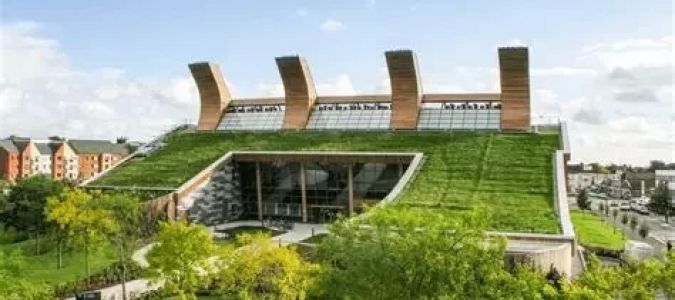
The Crystal in London is another shining example of sustainable architecture. This building is powered entirely by renewable energy and includes features such as natural lighting, efficient heating and cooling systems, and water-saving technologies. It serves as a hub for research into sustainability and smart cities, making it a model for future urban design.
5. The Future of Architecture and Sustainability
As we move into the future, the relationship between architecture and sustainability is likely to become even more integral. With rising concerns about climate change, architects are increasingly turning to innovative solutions that reduce carbon emissions and improve energy efficiency. Smart building technologies, such as AI-powered systems that monitor energy use in real-time, will play a major role in the next generation of sustainable buildings.
Technological Advancements in Sustainable Design
Advancements in technology are driving the future of sustainable architecture. New materials like self-healing concrete and transparent solar panels will allow for even more eco-friendly designs. Additionally, the integration of artificial intelligence (AI) in building management systems will optimize energy consumption and reduce waste, pushing the envelope of sustainability in architectural design.
By prioritizing sustainability, the architecture industry can help mitigate climate change, conserve resources, and create healthier spaces for people. As technology continues to evolve, we can expect even more innovative solutions that further enhance the synergy between architecture and sustainability.
To learn more about sustainable architectural practices and find eco-friendly services for your next building project, visit 10 Jay Street. They offer expert guidance on integrating sustainability into your design and construction process.