

- Understanding the Relationship Between Architecture and Cultural Preservation
- The Historical Significance of Architecture in Preservation
- Modern Approaches to Cultural Preservation through Architecture
- Notable Examples of Architectural Preservation Around the World
- Challenges and Innovations in Cultural Preservation
1. Understanding the Relationship Between Architecture and Cultural Preservation
Architecture plays a vital role in preserving the cultural and historical essence of societies around the world. From ancient monuments to modern buildings, the physical structures we create are an integral part of our heritage. Cultural preservation is not just about maintaining artifacts; it’s about preserving the stories, values, and traditions that are embedded in the built environment. Through architecture, we can honor and protect these cultural identities for future generations.
In this article, we will explore how architecture is intricately tied to cultural preservation, how it serves as a tool for safeguarding heritage, and the modern challenges architects face when tasked with maintaining the authenticity of cultural landmarks. I will also share insights into real-world examples where architecture has played a key role in conserving cultural heritage.
2. The Historical Significance of Architecture in Preservation
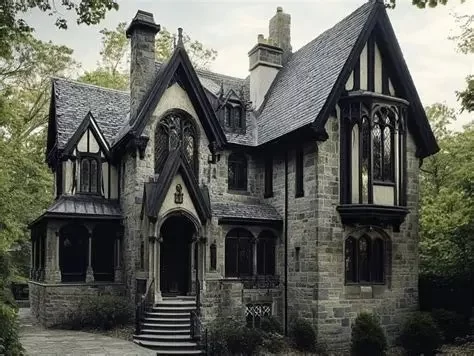
Historically, architecture has always been a reflection of cultural identity. Every ancient temple, royal palace, or fortress tells the story of the people who built it, their values, and their way of life. The preservation of these structures is not only about conserving a building but about preserving the stories and cultural practices that these structures symbolize.
For instance, consider the significance of the Great Wall of China. It is more than just a fortification—it represents the strength, unity, and endurance of an ancient civilization. The preservation of such structures requires more than just a restoration of bricks and mortar; it demands a thoughtful approach to maintaining their historical integrity and cultural relevance.
Architecture, in its most historical form, is a physical manifestation of culture. Preserving these architectural landmarks ensures that we maintain a direct connection to our past and keep alive the traditions and achievements of ancient civilizations.
3. Modern Approaches to Cultural Preservation through Architecture
While traditional approaches to cultural preservation involved restoring buildings to their original form, modern architecture focuses on finding a balance between conservation and the needs of contemporary society. Today, the role of architecture in cultural preservation is more dynamic, incorporating new materials and techniques to preserve the authenticity of historic structures while making them functional for modern use.
3.1. Adaptive Reuse
One of the most effective methods of preserving cultural heritage in modern times is adaptive reuse. This approach involves repurposing old buildings for new functions while retaining their historical features. For example, old factories or warehouses are transformed into art galleries, museums, or even residential apartments. This method helps to preserve the building’s cultural value while making it useful in the present-day context.
3.2. Sustainable Design in Preservation
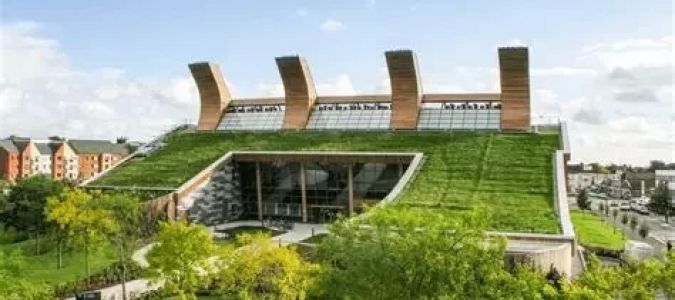
Another modern approach to architectural preservation involves integrating sustainable design practices. By using eco-friendly materials and energy-efficient technologies, architects can help extend the lifespan of heritage buildings. This sustainable approach not only preserves the building’s integrity but also makes it more environmentally responsible, ensuring that future generations can continue to enjoy these structures.
4. Notable Examples of Architectural Preservation Around the World
Several architectural projects around the world highlight the critical role of architecture in cultural preservation. These examples demonstrate how modern architects can maintain cultural significance while incorporating innovative design solutions.
4.1. The Pyramids of Egypt
The Pyramids of Giza in Egypt are some of the most iconic symbols of ancient architecture. Over the years, preservation efforts have focused on preventing erosion and structural damage caused by weathering and tourism. Conservationists have used state-of-the-art technologies, such as 3D scanning and restoration techniques, to ensure the pyramids remain standing for centuries to come.
4.2. The Louvre Museum, Paris
In Paris, the Louvre Museum is a shining example of architectural preservation. Originally a royal palace, the Louvre has undergone numerous renovations over the centuries, adapting its use while maintaining the integrity of its architectural design. The modern addition of the glass pyramid by architect I. M. Pei beautifully blends the old and the new, creating a harmonious balance between historical preservation and contemporary needs.
5. Challenges and Innovations in Cultural Preservation
Despite the advances in technology and design, preserving cultural heritage through architecture is not without its challenges. Natural disasters, climate change, and the pressures of urban development pose significant threats to historical structures. Moreover, the balance between preservation and modernization often requires difficult decisions about what to retain and what to adapt.
5.1. The Impact of Climate Change
Climate change is one of the greatest challenges facing architectural preservation today. Rising temperatures, floods, and more severe storms can cause irreversible damage to delicate historical buildings. Architects are now incorporating climate resilience into their preservation strategies, using materials and design elements that can withstand the effects of global warming while preserving the original structure.
5.2. Innovations in Preservation Technology
Modern technology has revolutionized the field of architectural preservation. From digital modeling and laser scanning to 3D printing and material science, architects now have access to innovative tools that can restore or replicate historic materials more accurately than ever before. These technologies allow us to preserve even the most intricate details of a building, ensuring that its cultural significance is maintained for generations.