

Understanding the Impact of Architecture on Mental Health and Well-being

Understanding the Impact of Architecture on Mental Health and Well-being

Explore how architecture influences mental health and well-being. Learn about the psychological effects of space and design strategies that promote mental wellness in environments.

  1. 10 Jay Street
  2. >
  3. Blog
Understanding the Impact of Architecture on Mental Health and Well-being

The Impact of Architecture on Mental Health

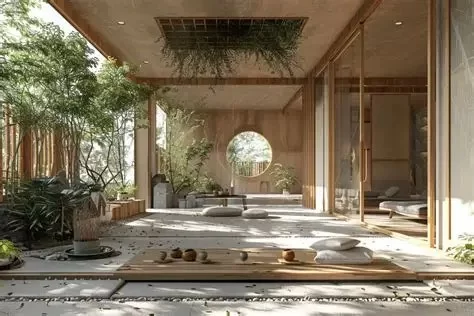
Architecture does more than just house us—it plays a significant role in shaping our mental health and overall well-being. The spaces we live and work in can either uplift or hinder our emotional and psychological state. By understanding the profound influence architecture has on mental health, we can design environments that promote mental wellness and reduce stress and anxiety.

Our physical surroundings have a direct connection to how we feel. In fact, architectural elements like lighting, space layout, and even the materials used can drastically alter our emotional responses. For example, spaces that are bright, airy, and open tend to reduce stress and increase feelings of happiness, while dark, cramped, or poorly designed spaces can contribute to feelings of anxiety and isolation.

How Spaces Affect Our Psychology

The way a space is designed can affect our cognitive processes and emotional state. Here are a few examples of how architectural features influence psychology:

  • Natural Light: Access to natural light has been linked to improved mood, productivity, and mental health. Studies show that people who spend more time in naturally lit spaces experience lower levels of depression and anxiety.
  • Open vs. Closed Spaces: Open spaces with minimal barriers tend to encourage social interaction and reduce feelings of confinement. In contrast, closed-off spaces can trigger a sense of isolation and anxiety.
  • Color Schemes: Colors play a vital role in shaping emotions. For example, calming colors like blue and green are known to promote relaxation, while red and yellow can stimulate energy and creativity.

Understanding the psychological effects of space can lead to more intentional design choices that prioritize mental health.

Examples of Architecture Influencing Mental Health

Throughout history, architects have acknowledged the impact of design on mental health. Some examples of architecture that have positively influenced well-being include:

  • Therapeutic Gardens: Many hospitals and care facilities now incorporate therapeutic gardens and green spaces that allow patients to connect with nature. These spaces have been shown to reduce stress and speed up recovery times.
  • Community Centers: Public spaces designed for social interaction, like community centers and public libraries, create a sense of belonging, which is essential for mental health. These spaces encourage connection, engagement, and support networks.
  • Workplace Design: Progressive companies are incorporating biophilic design principles into their office spaces, such as green walls and open-plan layouts. These features help employees feel more connected to nature, resulting in improved focus and lower stress levels.

These examples highlight how thoughtful architectural design can be used as a tool to promote mental health in both public and private spaces.

Design Strategies to Improve Mental Well-being

To design spaces that foster mental well-being, architects and interior designers are increasingly turning to strategies that prioritize psychological benefits. Here are some key design principles that promote mental health:

  • Incorporating Greenery: Including plants and greenery in interior designs helps reduce stress and improve air quality. Plants not only beautify a space but also contribute to a sense of calm and relaxation.
  • Personalized Spaces: Spaces that allow for personalization can increase a sense of ownership and comfort. Personal touches, such as artwork or customized furniture, make spaces feel more welcoming and supportive.
  • Accessibility and Comfort: Designing spaces that are comfortable and accessible to everyone, including those with disabilities, ensures that all individuals can enjoy and benefit from the environment. Comfortable seating, quiet areas, and non-restrictive layouts are essential in this regard.

By embracing these design principles, architects can create environments that actively contribute to improving mental well-being and fostering positive emotions.


More

How Architecture Can Help Create a Sense of Community

How Architecture Can Help Create a Sense of Community

Explore how architecture can help create a sense of community. Learn how thoughtful design fosters social connections and enhances the communal experience in urban and rural environments. The Role of Architecture in Building Community Designing Communities Through Architecture Case Studies of Successful Architectural Designs The Future of Architecture and CommunityThe Role of Architecture in Building CommunityAs someone who has always appreciated the power of design, I’ve come to realize how architecture can profoundly impact not just the aesthetic of a space, but also the very fabric of a community. Architecture is not just about buildings – it’s about the spaces between them, how they interact with each other, and how people use these spaces to come together. It’s an element that shapes our daily interactions, our social dynamics, and ultimately, the feeling of community that we experience.Over the years, I’ve noticed that well-designed spaces have the power to transform ordinary neighborhoods into thriving, interactive communities. When designed thoughtfully, architecture can encourage social interaction, bring people together, and create a shared sense of belonging. Whether it’s a park, a public square, or even the layout of a neighborhood, architecture plays a critical role in fostering community spirit. Let’s explore how thoughtful architectural design can build and enhance a sense of community in urban and suburban spaces.Designing Communities Through ArchitectureWhen architects and urban planners design spaces, their primary goal should be to create environments where people feel connected. Having been involved in several design projects, I’ve learned that there are several principles and strategies that can be implemented to create a sense of community. The key is in understanding human behavior, the way people interact with spaces, and how environments can inspire those interactions. Here are a few design strategies that have been proven to foster a sense of community: Public Spaces for Social Interaction: One of the simplest yet most effective ways to encourage a sense of community is by incorporating public spaces that encourage social interaction. Parks, plazas, and open areas where people can meet, chat, or relax contribute to the overall sense of community. I’ve experienced firsthand how vibrant public spaces can turn a neighborhood into a social hub, where everyone from children to seniors feels welcome. Mixed-Use Developments: Another great example of how architecture fosters community is through mixed-use developments. These areas combine residential, commercial, and recreational spaces into a single community. Having a café, a grocery store, and apartments all in one place encourages residents to interact with one another regularly. I’ve found that these developments create a strong neighborhood feel, as people are more likely to encounter and connect with their neighbors in everyday settings. Walkability and Connectivity: A walkable neighborhood can do wonders for bringing people together. Streets that are designed for pedestrians rather than cars create more opportunities for casual interactions. When people walk, they naturally engage with each other and their environment. In areas I’ve lived, the walkability of the neighborhood has always fostered stronger connections with neighbors. If people feel comfortable walking around their area, they are more likely to participate in community events and engage in informal interactions. Inclusive Design for All Ages and Abilities: Creating accessible spaces that everyone can use – from children to elderly residents – is vital in fostering a sense of belonging. The design of public spaces, sidewalks, and buildings should accommodate a range of mobility needs, ensuring that no one feels excluded. During my travels, I’ve seen how inclusive design can create a more harmonious and unified community, where people of all abilities can engage with each other freely.Case Studies of Successful Architectural DesignsThere’s no better way to understand how architecture creates community than by looking at real-world examples. Over the years, many architects have developed designs that actively encourage social interaction and create a true sense of community. Here are a few examples of architectural projects that have successfully fostered community engagement: The High Line, New York City: The High Line is a stunning example of how transforming an underutilized space into a public park can create a vibrant community. Built on an old railway track, the High Line has become a symbol of New York’s urban renewal, providing a space where locals and tourists alike can gather, relax, and enjoy green space in the heart of the city. Its design encourages interaction and offers stunning views of the city, making it a place where people can feel part of something larger. The Green, Kentlands, Maryland: Kentlands is an example of a master-planned community designed with a focus on social interaction. The development emphasizes walkability and integrates public spaces, such as parks, playgrounds, and communal gathering areas. The community layout fosters informal encounters between residents, helping to build strong neighborhood bonds. Millennium Park, Chicago: Millennium Park in Chicago has become a landmark that brings together people from all walks of life. The park’s design incorporates outdoor art installations, performance spaces, and green areas that encourage people to relax and enjoy their surroundings. The success of Millennium Park highlights the importance of providing accessible, open spaces that promote community interaction in an urban setting.The Future of Architecture and CommunityLooking ahead, the future of architecture and community-building will likely continue to be shaped by technology, sustainability, and social consciousness. As more people embrace the idea of living in connected, cohesive communities, architects and urban planners will be challenged to design spaces that foster inclusivity, social interaction, and environmental sustainability. In my opinion, we will see more mixed-use developments, eco-friendly designs, and smart technologies integrated into community spaces, creating environments that encourage connection and collaboration.The concept of community-driven architecture will likely continue to evolve, driven by the desire for more human-centric spaces. We will see the integration of green technologies, such as solar panels and water conservation systems, alongside architectural designs that prioritize open, inclusive spaces. It’s an exciting time for architects and urban planners as they look to create the cities and neighborhoods of tomorrow – ones that are more connected, sustainable, and vibrant than ever before.If you’re interested in seeing how modern architecture can transform communities, I highly recommend checking out the work being done at 10 Jay Street. They offer innovative architectural solutions that emphasize sustainable, community-focused design, which is exactly what the future of architecture needs.

Mar 25, 2026
How Architects Can Help Design Your Dream Office Space

How Architects Can Help Design Your Dream Office Space

Learn how architects can help you design your dream office space. Discover the benefits of professional office design, real-life examples, and tips for getting started with your own office project.

Mar 24, 2026
The Role of Architecture in Creating Climate-Resilient Infrastructure

The Role of Architecture in Creating Climate-Resilient Infrastructure

Learn how architecture plays a crucial role in creating climate-resilient infrastructure. Discover innovative designs and real-world examples that help buildings withstand climate change and extreme weather events.

Mar 24, 2026
How Architects Are Overcoming Challenges in Designing Large Projects

How Architects Are Overcoming Challenges in Designing Large Projects

Explore the challenges architects face when designing large projects, from managing scope and complexity to sustainability and budget constraints. Learn how innovative solutions are shaping the future of architecture.

Mar 23, 2026
How Architecture is Leading the Way in Sustainable Building Solutions

How Architecture is Leading the Way in Sustainable Building Solutions

Explore how architecture is leading the way in sustainable building solutions. Learn about eco-friendly design, real-world examples, and practical insights shaping the future of construction.

Mar 23, 2026
How to Integrate Nature and Technology in Modern Architectural Designs

How to Integrate Nature and Technology in Modern Architectural Designs

Learn how to blend nature and technology in modern architectural designs. Discover innovative ways to incorporate natural elements with cutting-edge technology, creating sustainable and eco-friendly buildings.

Mar 22, 2026