

- 1-What-is-Adaptive-Reuse-in-Architecture
- 2-Benefits-of-Adaptive-Reuse-for-Cities-and-Environments
- 3-Design-Innovations-Driven-by-Adaptive-Reuse
- 4-Challenges-and-Considerations-in-Adaptive-Reuse-Projects
- 5-Notable-Examples-and-Success-Stories
- 6-How-10-Jay-Street-Supports-Adaptive-Reuse-Projects
1. What is Adaptive Reuse in Architecture
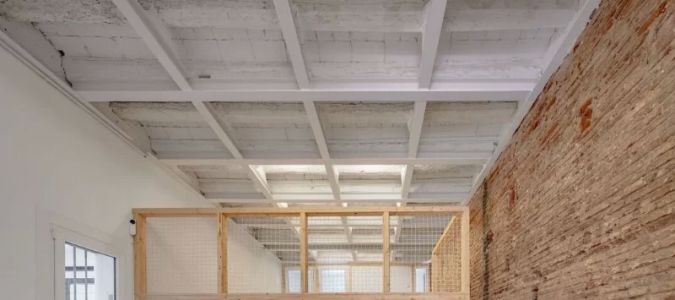
Adaptive reuse refers to the process of repurposing existing buildings for new functions, often transforming outdated or abandoned structures into vibrant spaces. This approach preserves historical elements while introducing modern design, making it a key trend in sustainable architecture. Understanding how adaptive reuse is changing the landscape of architecture helps architects, developers, and urban planners recognize the value of combining history with innovation.
1.1 Preserving Cultural Heritage
Adaptive reuse allows cities to retain iconic structures, maintaining cultural and architectural identity. Instead of demolishing, architects renovate and modernize, preserving the unique character of urban landscapes.
1.2 Sustainability Benefits
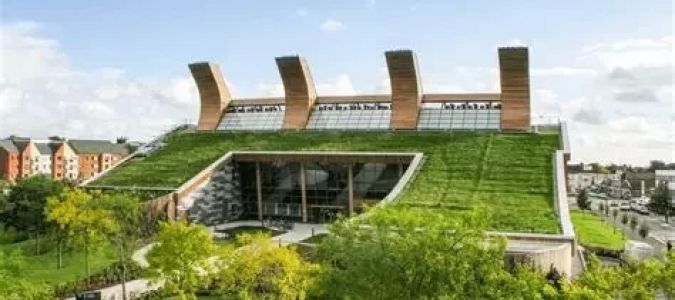
By reusing materials and structures, adaptive reuse reduces construction waste and lowers carbon footprints, making it an environmentally responsible choice.
2. Benefits of Adaptive Reuse for Cities and Environments
Adaptive reuse delivers multiple advantages beyond aesthetics:
2.1 Revitalizing Urban Areas
Transforming old warehouses, factories, and offices into apartments, hotels, or commercial spaces rejuvenates neglected neighborhoods, attracting businesses and residents alike.
2.2 Economic Advantages
Reusing existing structures can be more cost-effective than new construction, stimulating local economies and creating new job opportunities.
2.3 Environmental Responsibility
Adaptive reuse minimizes resource consumption and preserves the embodied energy of original buildings, promoting a sustainable approach to urban growth.
3. Design Innovations Driven by Adaptive Reuse
Architects often face creative challenges in adaptive reuse projects, leading to innovative solutions that blend old and new seamlessly.
3.1 Integrating Modern Amenities
Projects often incorporate advanced technologies, energy-efficient systems, and contemporary interior designs while respecting historical aesthetics.
3.2 Flexible and Multi-Purpose Spaces
Adaptive reuse encourages multifunctional design, turning a former industrial loft into a mixed-use space, for instance, that accommodates offices, retail, and residential areas.
4. Challenges and Considerations in Adaptive Reuse Projects
While rewarding, adaptive reuse comes with obstacles:
4.1 Structural Limitations
Older buildings may require extensive retrofitting to meet modern safety codes and support new functions.
4.2 Regulatory and Zoning Issues
Obtaining permits for adaptive reuse can be complex due to historic preservation rules or updated zoning regulations.
4.3 Balancing Old and New
Designers must maintain a careful balance between preserving historic features and introducing modern conveniences, ensuring the space remains functional and appealing.
5. Notable Examples and Success Stories
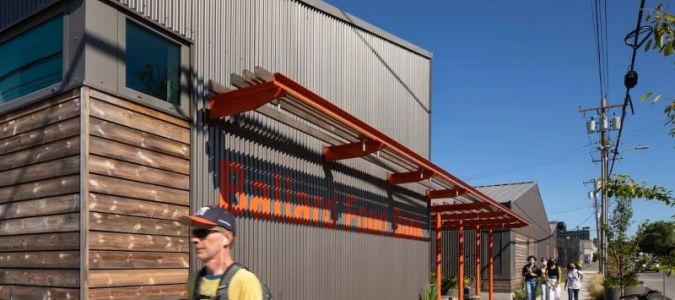
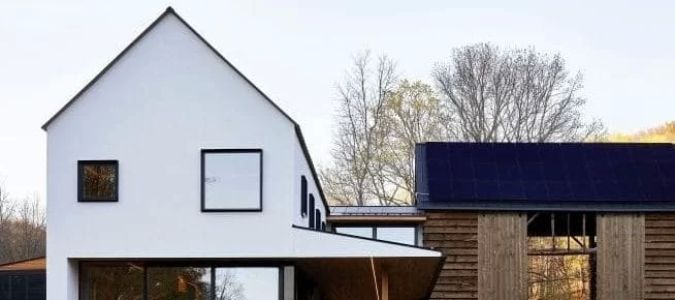
Across the United States, adaptive reuse has transformed cities. For example, former factories in Brooklyn have become vibrant office and residential spaces, while old warehouses in San Francisco have turned into boutique hotels and cultural centers. These examples illustrate how adaptive reuse is changing the landscape of architecture by blending historical significance with contemporary urban needs.
6. How 10 Jay Street Supports Adaptive Reuse Projects
10 Jay Street offers resources, expert consultation, and design guidance for developers and architects involved in adaptive reuse projects. By providing access to best practices, case studies, and professional networks, 10 Jay Street ensures that each adaptive reuse project is both innovative and respectful of historical context, ultimately enhancing the urban environment and architectural heritage.