

- - Urban Growth and Modern Architecture
- - Housing Solutions for Expanding Cities
- - Mixed Use Developments and Smart Planning
- - Green Design for Better City Living
- - Public Spaces and Community Connections
- - Technology and Data Driven Design
- - Transportation and Walkable Neighborhoods
- - Future Trends in Urban Architecture
How Architects Are Addressing the Needs of Growing Urban Populations
Cities across the United States and around the world are expanding faster than ever before. More people are moving into urban areas in search of career opportunities, education, healthcare, and cultural experiences. While this growth creates exciting economic potential, it also places enormous pressure on infrastructure, housing, transportation, and public resources. Architects are now playing a central role in shaping cities that can handle this rapid expansion while remaining functional, beautiful, and sustainable.
Modern urban architecture is no longer focused only on creating visually impressive buildings. Today, architects must think about population density, energy efficiency, affordability, and the emotional well-being of residents. The discussion surrounding how architects are addressing the needs of growing urban populations has become one of the most important topics in modern city planning.
In many major cities, residents are beginning to expect buildings that serve multiple purposes. A single development may now include apartments, office space, fitness centers, restaurants, rooftop gardens, and shared public areas. This shift reflects the reality that urban populations need convenience, accessibility, and efficient use of limited space.
Housing Solutions for Expanding Cities
One of the biggest challenges urban designers face is the housing shortage. As cities grow, affordable housing becomes increasingly difficult to find. Architects are responding with creative solutions that maximize limited land while maintaining comfort and quality of life.
1. Vertical Living Strategies
High-rise residential towers have become a practical solution for growing urban populations. However, modern architects are redesigning these towers to feel more human-centered rather than overcrowded. Features like shared lounges, natural lighting, outdoor terraces, and flexible apartment layouts help residents feel connected instead of isolated.
For example, several new developments in New York and Chicago now include co-working areas and communal kitchens to encourage social interaction. These additions help reduce the feeling of density that often comes with city living.
2. Modular and Prefabricated Construction
Architects are also turning to modular construction to reduce building time and lower housing costs. Prefabricated units can be manufactured off-site and assembled quickly, helping cities respond faster to housing demand.
This method became especially popular after pandemic-related labor shortages highlighted the need for faster and more efficient construction systems. Some urban planners believe modular housing may become one of the defining trends of future city development.
3. Adaptive Reuse Projects
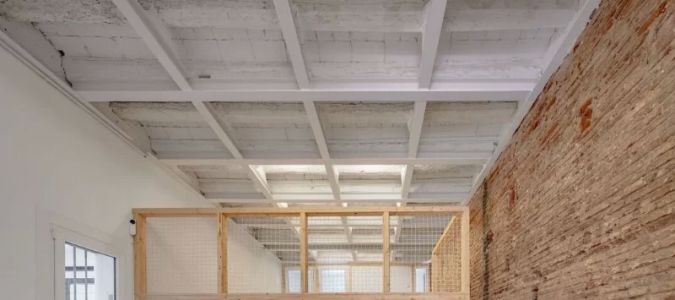
Instead of demolishing older buildings, architects are increasingly transforming warehouses, factories, and office spaces into residential communities. Adaptive reuse preserves historical character while reducing construction waste.
Projects like converted industrial lofts in Brooklyn or revitalized downtown buildings in Los Angeles show how architects are addressing the needs of growing urban populations without sacrificing local identity.
Mixed Use Developments and Smart Planning
Urban residents often prefer neighborhoods where they can live, work, and socialize without relying heavily on cars. Mixed-use developments have become one of the most effective responses to population growth because they combine residential, commercial, and recreational functions in one area.
1. Reducing Commute Stress
Long commutes contribute to traffic congestion, pollution, and mental fatigue. Architects and urban planners are designing communities where offices, grocery stores, schools, and entertainment venues are within walking distance.
This approach not only saves time but also improves overall quality of life. Walkable neighborhoods often support local businesses while creating stronger social connections among residents.
2. Encouraging Economic Activity
Mixed-use architecture creates constant activity throughout the day instead of limiting neighborhoods to one primary purpose. Restaurants remain busy during lunch and evening hours, retail stores gain more foot traffic, and public areas become safer because of increased pedestrian activity.
Developments inspired by this concept are becoming common in rapidly growing urban centers throughout North America.
3. Flexible Building Design
Architects now understand that cities change quickly. Buildings designed today must remain useful decades into the future. Flexible floor plans and adaptable interiors allow spaces to evolve alongside economic and demographic changes.
Many commercial buildings now include movable walls and convertible layouts that can transition between office, residential, or retail use depending on market demand.
Green Design for Better City Living
Sustainability has become essential when discussing how architects are addressing the needs of growing urban populations. Cities consume massive amounts of energy, which means even small design improvements can significantly reduce environmental impact.
1. Energy Efficient Buildings
Architects are using advanced insulation, energy-efficient glass, solar panels, and natural ventilation systems to reduce energy consumption. These features help lower utility costs for residents while reducing strain on city infrastructure.
Many newer buildings are also designed to maximize daylight, reducing the need for artificial lighting during working hours.
2. Rooftop Gardens and Vertical Greenery
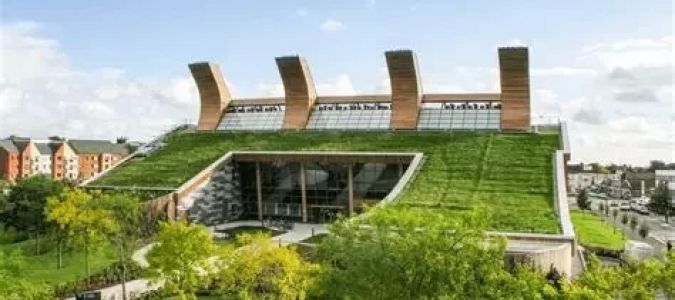
Green roofs and vertical gardens are becoming increasingly common in urban environments. These features improve air quality, reduce heat absorption, and create calming outdoor spaces for residents.
In dense cities where traditional parks are limited, rooftop gardens can provide valuable recreational space while helping buildings remain cooler during summer months.
3. Water Conservation Systems
Modern buildings often include rainwater collection systems, low-flow plumbing fixtures, and smart irrigation technologies. These systems help cities manage growing populations without overwhelming water resources.
Developers and architects working with companies like 10 Jay Street frequently explore innovative ways to integrate sustainability into urban projects without compromising modern aesthetics.
Public Spaces and Community Connections
Architects are increasingly aware that successful cities require more than efficient buildings. Public gathering spaces are essential for creating healthy communities and improving mental well-being.
1. Designing for Human Interaction
Parks, plazas, outdoor seating areas, and shared courtyards encourage residents to interact with one another. These social spaces help reduce feelings of loneliness that can occur in large cities.
Some architects now intentionally design buildings around community-centered concepts instead of focusing solely on private living space.
2. Safer Urban Environments
Good architecture can improve public safety. Proper lighting, visible walkways, and active street-level businesses create environments where people feel more secure.
Urban planners have learned that neighborhoods with accessible public areas and pedestrian-friendly layouts often experience stronger community engagement.
3. Supporting Mental Wellness
Natural light, greenery, open-air spaces, and thoughtful design choices can significantly impact emotional health. Many architects now collaborate with psychologists and wellness experts to better understand how urban environments influence stress levels.
This human-centered approach is becoming increasingly important as urban populations continue to grow.
Technology and Data Driven Design
Technology is transforming how architects approach urban development. Smart systems now allow buildings to operate more efficiently while adapting to changing resident needs.
1. Smart Building Systems
Modern buildings often include automated lighting, climate control, and energy monitoring systems. These technologies improve efficiency while helping property owners reduce operational costs.
Residents also benefit from greater convenience and comfort through smartphone-connected building services.
2. Data Based Urban Planning
Architects increasingly use data to understand pedestrian movement, transportation patterns, and population density. This information helps planners design cities that function more effectively.
For example, traffic flow analysis can influence where entrances, sidewalks, bike lanes, and transit stations are placed.
3. Digital Modeling and Simulation
Advanced modeling software allows architects to test building performance before construction begins. Designers can simulate sunlight exposure, airflow, energy consumption, and emergency evacuation scenarios.
This reduces costly mistakes while helping cities prepare for future growth.
Transportation and Walkable Neighborhoods
Transportation systems are deeply connected to urban architecture. Cities cannot support growing populations without efficient mobility solutions.
1. Transit Oriented Development
Architects are increasingly designing buildings near subway systems, bus routes, and train stations. Transit-oriented communities reduce traffic congestion while making cities more accessible.
Residents in these neighborhoods often spend less money on transportation and enjoy shorter commute times.
2. Bike Friendly Infrastructure
Cities are investing heavily in bike lanes, secure storage facilities, and pedestrian-friendly streets. Architects contribute by designing buildings that support alternative transportation methods.
Many new apartment developments now include bike repair stations and dedicated cycling entrances.
3. Reducing Car Dependency
As urban populations increase, parking space becomes more limited and expensive. Architects are helping cities transition toward less car-dependent lifestyles by designing compact, walkable communities with nearby amenities.
This strategy supports both environmental sustainability and healthier daily routines.
Future Trends in Urban Architecture
The future of architecture will likely focus even more heavily on flexibility, sustainability, and human-centered design. As cities continue growing, architects must create environments that balance efficiency with emotional well-being.
1. Climate Resilient Buildings
Rising temperatures, flooding, and severe weather are influencing urban development decisions. Architects are now incorporating flood-resistant materials, elevated structures, and cooling technologies into city projects.
Climate resilience is expected to become one of the defining characteristics of future urban architecture.
2. Multi Generational Communities
Future neighborhoods will likely include spaces designed for multiple generations living together. Shared public amenities, accessible walkways, and flexible housing arrangements can help cities better support aging populations while remaining attractive to younger residents.
3. Stronger Integration Between Nature and Cities
Architects are increasingly blending natural landscapes with urban infrastructure. Green corridors, urban forests, rooftop parks, and eco-friendly public spaces will likely become standard features in future city planning.
Companies and development groups such as 10 Jay Street continue to explore innovative approaches that combine sustainability, modern design, and community-focused urban growth strategies.
As conversations around how architects are addressing the needs of growing urban populations continue to evolve, one thing remains clear: the future of cities will depend heavily on thoughtful architectural innovation that prioritizes people as much as buildings.