


How Architects Are Creating Affordable and Sustainable Housing Solutions
As the global population continues to rise, the demand for affordable housing has never been higher. Simultaneously, there's an increasing focus on sustainability, as the need to combat climate change and preserve resources becomes more urgent. Architects have a unique opportunity to address both issues by designing housing solutions that are not only affordable but also sustainable. In this article, we explore how architects are combining these two goals to create innovative, eco-friendly homes that are accessible to a wider audience.
1. Understanding the Need for Affordable and Sustainable Housing
The gap between the demand for affordable housing and its availability has been a longstanding issue. Many cities face rising living costs, especially in urban centers, where rental and home prices are out of reach for middle- and low-income families. In tandem with these economic challenges, environmental sustainability has become a priority. Housing contributes significantly to global carbon emissions, and with growing concerns about climate change, the need for sustainable building practices is more pressing than ever.
1.1 The Economic Challenges of Housing
In cities across the U.S. and around the world, the cost of land, building materials, and labor continues to increase, driving up the price of housing. For many families, the dream of owning a home or even securing an affordable rental seems increasingly distant. Affordable housing is vital to ensuring that everyone has access to safe, stable living conditions. However, traditional housing models, which often prioritize profit over practicality, have made this dream harder to achieve for many.
1.2 Environmental Sustainability and the Housing Sector
The construction industry is one of the largest contributors to global carbon emissions. From the extraction of raw materials to the construction process itself, the impact of building homes can be severe on the environment. As awareness of climate change and its effects grows, architects are looking for ways to reduce this impact by integrating sustainable design principles into their work. Sustainable architecture not only focuses on energy efficiency but also on using materials and methods that minimize environmental harm.
2. Innovative Architectural Solutions for Affordable and Sustainable Homes
Architects are rising to the challenge of creating affordable and sustainable housing by developing innovative design solutions that reduce costs and environmental impact. Here are a few key strategies being employed to address both challenges:
2.1 Modular and Prefabricated Housing
Modular and prefabricated housing are two of the most promising solutions for affordable housing. These types of homes are built in sections in a factory before being transported to the construction site. Because they are produced in a controlled environment, there is less waste, and construction time is significantly reduced. The speed and cost-effectiveness of modular homes make them an attractive option for creating affordable housing. Moreover, many manufacturers are now prioritizing eco-friendly materials and energy-efficient designs in their modular homes, aligning with sustainable building practices.
2.2 Using Sustainable Building Materials
One of the most important aspects of creating sustainable housing is the use of building materials that have minimal environmental impact. Architects are increasingly turning to recycled materials, such as reclaimed wood and recycled steel, as well as natural materials like bamboo, which grows quickly and requires fewer resources than traditional lumber. Additionally, the use of low-impact insulation materials, such as cellulose or wool, can reduce a home’s energy consumption. By selecting eco-friendly materials, architects can significantly reduce the carbon footprint of their designs.
2.3 Green Roofs and Solar Panels
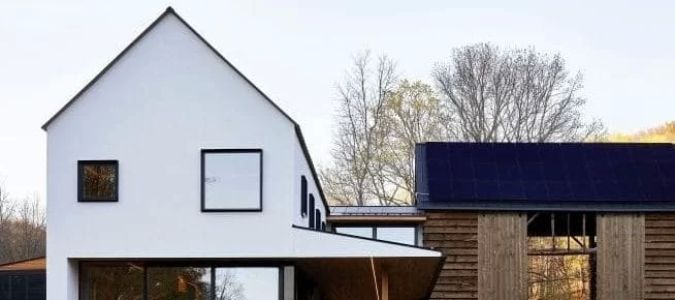
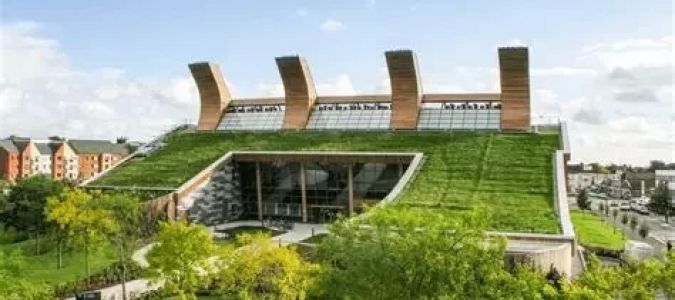
Incorporating green roofs and solar panels into residential designs is another way to make homes more sustainable. Green roofs, which are covered in plants, help to insulate buildings, reduce the heat island effect, and promote biodiversity. Meanwhile, solar panels harness the power of the sun to generate renewable energy, reducing reliance on fossil fuels and lowering electricity costs for residents. By integrating these features into affordable housing designs, architects are making it possible for residents to enjoy a more sustainable lifestyle while keeping costs manageable.
2.4 Energy-Efficient Design
Energy-efficient homes are critical to reducing overall energy consumption and minimizing environmental impact. Architects are using advanced techniques, such as passive house design principles, to create homes that maintain a comfortable indoor climate without relying heavily on heating and cooling systems. This is achieved by optimizing insulation, using airtight construction methods, and maximizing natural light. These energy-efficient homes are not only better for the environment but also reduce utility bills for residents, making them more affordable in the long run.
3. Case Studies of Affordable and Sustainable Housing Projects
To truly understand how these architectural strategies are being applied in real-world scenarios, let’s look at some successful case studies of affordable and sustainable housing projects:
3.1 The EcoVillage – Ithaca, New York
The EcoVillage in Ithaca, New York, is a prime example of an affordable and sustainable housing community. This project, which includes both rental and ownership opportunities, integrates passive solar design, green roofs, and community gardens into its architecture. By using sustainable building materials and energy-efficient designs, EcoVillage has created a vibrant community that minimizes environmental impact while providing affordable housing options for residents.
3.2 The Crystal Towers – Chicago, Illinois
The Crystal Towers project in Chicago is another exemplary initiative that combines affordability with sustainability. These high-rise apartments feature energy-efficient heating and cooling systems, green roofs, and a rainwater harvesting system. Additionally, the project was built using recycled materials and is located in a walkable area, reducing the need for car travel. This development showcases how large-scale urban projects can be both affordable and eco-friendly.
4. The Future of Affordable and Sustainable Housing
The future of housing is undoubtedly tied to sustainability and affordability. As more architects, builders, and city planners embrace these principles, we can expect to see more innovative, eco-friendly designs that address both the environmental crisis and the housing affordability crisis. From modular homes to green roofs, architects are finding new ways to create homes that are not only affordable but also contribute to a healthier planet.
If you’re interested in supporting sustainable housing solutions, be sure to explore more about eco-friendly home products and services at 10 Jay Street, where we provide a wide range of sustainable options for your needs.