

How Architects Are Creating Homes That Promote Wellness

How Architects Are Creating Homes That Promote Wellness

Discover how architects are designing homes that promote wellness through innovative features that enhance mental and physical well-being. Explore trends and practical solutions for healthy living. How Architects Are Creating Homes That Promote Wellness 1. Why Wellness in Architecture Is Important 2. Key Elements of Wellness-Focused Design 3. Modern Examples of Wellness-Focused Architecture 4. How Wellness Designs Improve Physical and Mental Health 5. The Future of Wellness Architecture When I first started hearing about "wellness architecture," I wasn’t sure what it meant exactly. Was it just a buzzword, or was it something that could actually change how we live? The more I dug into it, the more I realized that wellness-focused design is not just a trend—it’s a powerful shift in how we think about our living spaces. Today, we spend a significant amount of time indoors—whether it’s at home, at work, or elsewhere—and this has a direct impact on our mental and physical well-being. Architects have started to realize that the environment in which we live can influence everything from our productivity to our mood and even our sleep quality. What wellness in architecture aims to do is transform our spaces to improve how we feel, function, and experience life. It’s about creating homes that encourage good health, positive energy, and mental clarity. I came to see how the right design choices—such as using natural light or incorporating calming colors—could have a profound effect on daily living. 2. Key Elements of Wellness-Focused Design As I explored wellness architecture further, I discovered there are several key elements that architects focus on to create spaces that are not only functional but promote well-being. 1. Natural Light and Ventilation Natural light is one of the most important elements in wellness design. It has been proven to improve mood, enhance productivity, and regulate sleep patterns. In homes designed with wellness in mind, architects often prioritize large windows, open spaces, and layouts that allow light to flood into the rooms. Ventilation is equally important—fresh, clean air can greatly impact our mental clarity and overall health. 2. Connection with Nature I’ve learned that bringing elements of nature into the home—through biophilic design—is essential for wellness. This could be anything from having plants throughout the space to creating outdoor living areas that merge with the indoor spaces. The simple act of having greenery around can reduce stress and improve focus. 3. Open, Flowing Spaces Wellness architecture often favors open, flowing floor plans that encourage movement and allow for easy circulation. This kind of design helps create a sense of calm and freedom, reducing the feeling of being cramped or restricted. Spaces are designed to promote relaxation and social interaction, often with areas that encourage family and friend gatherings. 4. Use of Non-Toxic and Sustainable Materials Architects are increasingly choosing non-toxic, eco-friendly materials in wellness-centered homes. These materials—whether in paints, flooring, or furniture—improve air quality and minimize exposure to harmful chemicals, which is important for both physical and mental health. 3. Modern Examples of Wellness-Focused Architecture There are some truly inspiring examples of wellness architecture popping up all over the world. These buildings and homes reflect how far the industry has come in integrating health and design. 1. The Edge, Amsterdam One of the best examples of modern wellness architecture is The Edge in Amsterdam, often called the world’s greenest office building. It features natural lighting, clean air, and wellness-enhancing technology that supports the mental and physical health of those working inside. Though it’s an office building, it reflects the same principles that architects are applying to homes. 2. The WELL Building Standard This is a global certification system used to measure and monitor features of buildings that impact human health and well-being. It’s not just for commercial buildings—it can also apply to residential spaces. In fact, many new luxury residential projects in major cities are being designed with the WELL Building Standard in mind. 3. Luxury Wellness Retreats On a more personal level, wellness architecture is becoming the core of luxury wellness retreats. These destinations are designed with the goal of promoting mental and physical health through everything from yoga to nutrition to stress-reducing environments. Resorts such as Aman Resorts and Six Senses have been integrating wellness architecture into their designs, ensuring that every aspect of the space encourages relaxation and restoration. 4. How Wellness Designs Improve Physical and Mental Health One of the most fascinating aspects of wellness architecture is how it improves both physical and mental health. The idea is that the spaces we inhabit affect us more than we realize, influencing everything from our heart rate to our emotional state. 1. Reduced Stress and Anxiety Studies have shown that exposure to natural elements and natural light can significantly reduce stress. In homes designed with wellness in mind, elements like plants, sunlight, and open spaces can lower cortisol levels and create a sense of calm. 2. Improved Air Quality Better ventilation and the use of sustainable materials result in cleaner air. Clean air helps reduce headaches, improve sleep, and boost energy levels. I found that simple changes like opening windows more often or using air-purifying plants can make a noticeable difference. 3. Increased Physical Activity Wellness design often incorporates features like walkways, bike paths, and nearby parks. The accessibility of these amenities encourages physical activity, which can greatly improve overall health. 5. The Future of Wellness Architecture Looking ahead, the trend of wellness architecture seems poised to grow. As people become more aware of how their environments affect their well-being, I expect to see more demand for homes that prioritize health. 1. Smart Home Integration The future of wellness homes lies in integrating smart home technology that can monitor and adjust environmental factors like temperature, light, and air quality. Imagine a home that learns your preferences and adjusts automatically to optimize your comfort and health. 2. Multi-Sensory Spaces Architects are exploring the use of multisensory environments that engage sight, sound, smell, and touch. This goes beyond just visual aesthetics; it’s about creating an immersive environment that promotes overall well-being. 3. More Community-Focused Designs I also see a future where wellness architecture extends beyond individual homes. Communities designed with wellness in mind—complete with green spaces, walking trails, and community hubs—will become more common. This approach supports not only the health of individuals but also the strength of the community as a whole. If you're interested in learning more about wellness-focused designs and how to incorporate them into your own home, platforms like 10 Jay Street offer expert insights and resources to guide you.


  1. 10 Jay Street
  2. >
  3. Blog

How Architects Are Creating Homes That Promote Wellness

When I first started hearing about "wellness architecture," I wasn’t sure what it meant exactly. Was it just a buzzword, or was it something that could actually change how we live? The more I dug into it, the more I realized that wellness-focused design is not just a trend—it’s a powerful shift in how we think about our living spaces.

Today, we spend a significant amount of time indoors—whether it’s at home, at work, or elsewhere—and this has a direct impact on our mental and physical well-being. Architects have started to realize that the environment in which we live can influence everything from our productivity to our mood and even our sleep quality.

What wellness in architecture aims to do is transform our spaces to improve how we feel, function, and experience life. It’s about creating homes that encourage good health, positive energy, and mental clarity. I came to see how the right design choices—such as using natural light or incorporating calming colors—could have a profound effect on daily living.

2. Key Elements of Wellness-Focused Design

As I explored wellness architecture further, I discovered there are several key elements that architects focus on to create spaces that are not only functional but promote well-being.

1. Natural Light and Ventilation
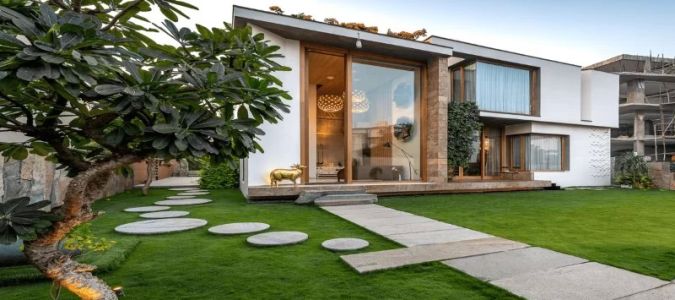
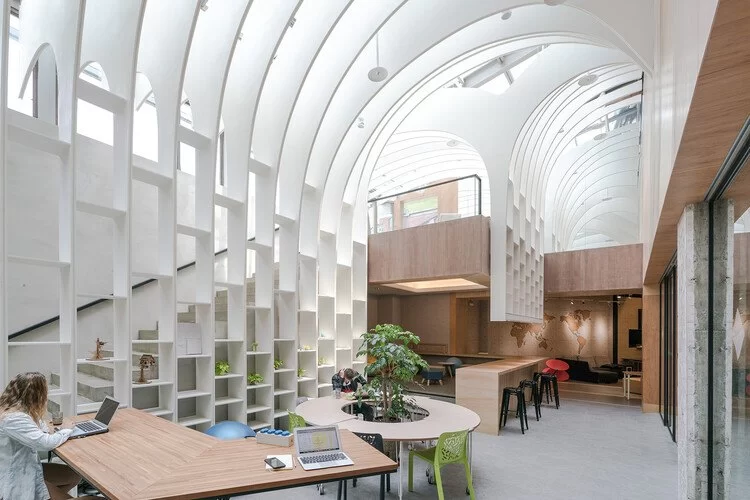
Natural light is one of the most important elements in wellness design. It has been proven to improve mood, enhance productivity, and regulate sleep patterns. In homes designed with wellness in mind, architects often prioritize large windows, open spaces, and layouts that allow light to flood into the rooms. Ventilation is equally important—fresh, clean air can greatly impact our mental clarity and overall health.

2. Connection with Nature
I’ve learned that bringing elements of nature into the home—through biophilic design—is essential for wellness. This could be anything from having plants throughout the space to creating outdoor living areas that merge with the indoor spaces. The simple act of having greenery around can reduce stress and improve focus.

3. Open, Flowing Spaces
Wellness architecture often favors open, flowing floor plans that encourage movement and allow for easy circulation. This kind of design helps create a sense of calm and freedom, reducing the feeling of being cramped or restricted. Spaces are designed to promote relaxation and social interaction, often with areas that encourage family and friend gatherings.

4. Use of Non-Toxic and Sustainable Materials
Architects are increasingly choosing non-toxic, eco-friendly materials in wellness-centered homes. These materials—whether in paints, flooring, or furniture—improve air quality and minimize exposure to harmful chemicals, which is important for both physical and mental health.

3. Modern Examples of Wellness-Focused Architecture

There are some truly inspiring examples of wellness architecture popping up all over the world. These buildings and homes reflect how far the industry has come in integrating health and design.

1. The Edge, Amsterdam
One of the best examples of modern wellness architecture is The Edge in Amsterdam, often called the world’s greenest office building. It features natural lighting, clean air, and wellness-enhancing technology that supports the mental and physical health of those working inside. Though it’s an office building, it reflects the same principles that architects are applying to homes.

2. The WELL Building Standard
This is a global certification system used to measure and monitor features of buildings that impact human health and well-being. It’s not just for commercial buildings—it can also apply to residential spaces. In fact, many new luxury residential projects in major cities are being designed with the WELL Building Standard in mind.

3. Luxury Wellness Retreats
On a more personal level, wellness architecture is becoming the core of luxury wellness retreats. These destinations are designed with the goal of promoting mental and physical health through everything from yoga to nutrition to stress-reducing environments. Resorts such as Aman Resorts and Six Senses have been integrating wellness architecture into their designs, ensuring that every aspect of the space encourages relaxation and restoration.

4. How Wellness Designs Improve Physical and Mental Health

One of the most fascinating aspects of wellness architecture is how it improves both physical and mental health. The idea is that the spaces we inhabit affect us more than we realize, influencing everything from our heart rate to our emotional state.

1. Reduced Stress and Anxiety
Studies have shown that exposure to natural elements and natural light can significantly reduce stress. In homes designed with wellness in mind, elements like plants, sunlight, and open spaces can lower cortisol levels and create a sense of calm.

2. Improved Air Quality
Better ventilation and the use of sustainable materials result in cleaner air. Clean air helps reduce headaches, improve sleep, and boost energy levels. I found that simple changes like opening windows more often or using air-purifying plants can make a noticeable difference.

3. Increased Physical Activity
Wellness design often incorporates features like walkways, bike paths, and nearby parks. The accessibility of these amenities encourages physical activity, which can greatly improve overall health.

5. The Future of Wellness Architecture

Looking ahead, the trend of wellness architecture seems poised to grow. As people become more aware of how their environments affect their well-being, I expect to see more demand for homes that prioritize health.

1. Smart Home Integration
The future of wellness homes lies in integrating smart home technology that can monitor and adjust environmental factors like temperature, light, and air quality. Imagine a home that learns your preferences and adjusts automatically to optimize your comfort and health.

2. Multi-Sensory Spaces
Architects are exploring the use of multisensory environments that engage sight, sound, smell, and touch. This goes beyond just visual aesthetics; it’s about creating an immersive environment that promotes overall well-being.

3. More Community-Focused Designs
I also see a future where wellness architecture extends beyond individual homes. Communities designed with wellness in mind—complete with green spaces, walking trails, and community hubs—will become more common. This approach supports not only the health of individuals but also the strength of the community as a whole.

If you're interested in learning more about wellness-focused designs and how to incorporate them into your own home, platforms like 10 Jay Street offer expert insights and resources to guide you.
More

How to Create Buildings that Improve Human Health and Well-Being

How to Create Buildings that Improve Human Health and Well-Being

Discover how to design buildings that promote human health and well-being through principles like biophilic design, natural light, and sustainable materials. Learn from real-world case studies and gain insights into improving indoor environments.

Mar 20, 2026
The Role of Architecture in Making Cities More Sustainable

The Role of Architecture in Making Cities More Sustainable

Discover how architecture shapes sustainable cities. Learn about energy-efficient design, green buildings, and real-world strategies that make urban environments more sustainable and livable.

Mar 19, 2026
How to Choose the Right Architectural Style for Your Home

How to Choose the Right Architectural Style for Your Home

Learn how to choose the right architectural style for your home with expert insights, real examples, and practical tips to match your lifestyle, budget, and location.

Mar 19, 2026
5 Reasons to Choose an Architect Over a Builder for Your Next Project

5 Reasons to Choose an Architect Over a Builder for Your Next Project

Discover 5 reasons to choose an architect over a builder for your next project, including design quality, cost efficiency, and long-term value.

Mar 18, 2026
Why Sustainable Building Materials Are Key to the Future of Architecture

Why Sustainable Building Materials Are Key to the Future of Architecture

Discover why sustainable building materials are crucial for the future of architecture. Learn about eco-friendly construction practices, trends in sustainable materials, and how they shape modern buildings.

Mar 18, 2026
The Importance of Understanding Building Codes in Architecture

The Importance of Understanding Building Codes in Architecture

Learn about the importance of understanding building codes in architecture. Discover how building codes ensure safety, efficiency, and compliance in the construction industry.

Mar 18, 2026