

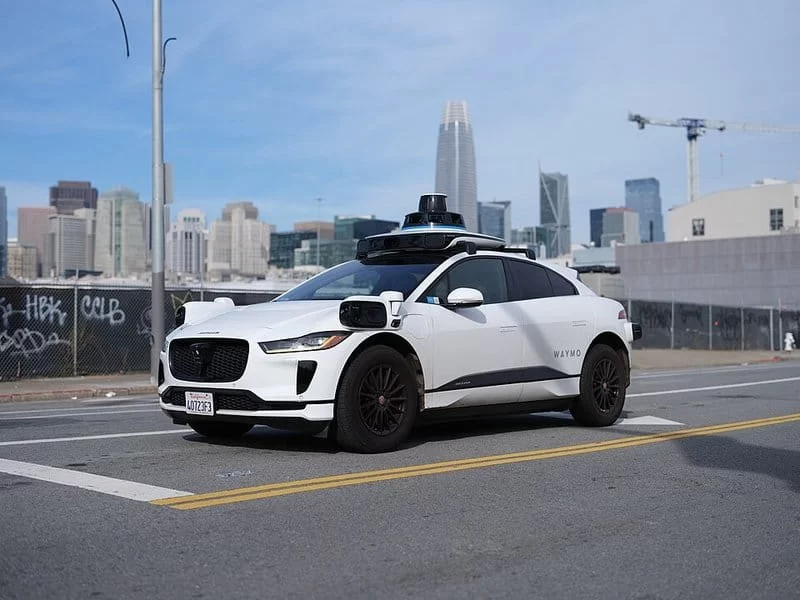
How Architects Are Designing for the Future of Autonomous Vehicles
- 1. Impact of Autonomous Vehicles on Architecture
- 2. Reimagining Buildings and Spaces for Self-Driving Cars
- 3. Urban Planning and Infrastructure Changes
- 4. Real-Life Examples of Design Innovations
- 5. Collaboration Between Architects and Technology Experts
1. Impact of Autonomous Vehicles on Architecture
With the rapid advancement of autonomous vehicle (AV) technology, architects are facing a major shift in how they approach the design of buildings and urban spaces. The introduction of self-driving cars presents exciting opportunities to rethink space usage, mobility, and even the way we live. As someone who has been closely following the development of autonomous vehicles, I’ve noticed how this technology is poised to change the way architects design both private homes and public spaces.
1.1 Eliminating Parking and Redesigning Spaces
One of the most significant impacts of autonomous vehicles is the potential reduction in the need for traditional parking spaces. In the past, architects had to design large parking lots and multi-story parking garages to accommodate the growing number of cars in urban areas. However, with autonomous vehicles, the need for these structures may decrease. Self-driving cars can drop passengers off at their destinations and then park themselves in remote locations or drive to a charging station, freeing up valuable urban space. This change will allow architects to repurpose land that was once reserved for parking, creating more green spaces, recreational areas, and walkable environments.
1.2 Changing the Relationship Between Mobility and Architecture
The relationship between mobility and architecture is becoming more interconnected with the arrival of autonomous vehicles. Cities can be designed to prioritize pedestrians, cyclists, and public transportation, while still accommodating the mobility needs of self-driving cars. I’ve seen innovative designs where buildings integrate with AV technology, offering seamless transitions between different modes of transport. This is a shift away from car-dependent cities toward more sustainable, multi-modal transportation networks.
2. Reimagining Buildings and Spaces for Self-Driving Cars
Architects are now looking at how to redesign the interiors and exteriors of buildings with autonomous vehicles in mind. The incorporation of AV technology opens the door to rethinking spatial layouts in creative ways. Some architects are exploring the idea of curbside “drop zones” where autonomous vehicles can safely pick up and drop off passengers. In large buildings, self-driving vehicles could interact with the design by seamlessly transporting individuals between different floors, making the design more efficient and user-friendly.
2.1 Redesigning Driveways and Entrances
In residential areas, architects are imagining how driveways and entrances will evolve with self-driving cars. Instead of traditional driveways, where homeowners park their vehicles, the driveway could be transformed into a "disembarking zone" where the AV picks up and drops off passengers. This could make homes more accessible, reduce the need for long, winding driveways, and create more space for landscaping or outdoor activities. For example, my friend recently renovated his home, designing a driveway that accommodates autonomous vehicles by having the car drop him off near the entrance and then park itself.
2.2 Redefining Public Spaces
Public spaces such as malls, airports, and offices are also being reimagined with autonomous vehicles in mind. Architects are considering how AVs can be integrated into the fabric of the building, such as providing designated areas for vehicle pickup and drop-off without disrupting pedestrian flow. A building’s layout may also feature “intelligent” parking zones that can adjust based on real-time vehicle availability, reducing congestion and increasing the efficiency of space usage. I’ve seen designs where buildings with integrated AV infrastructure look like seamless urban hubs that connect people, vehicles, and spaces.
3. Urban Planning and Infrastructure Changes
As cities prepare for the rise of autonomous vehicles, urban planning and infrastructure will undergo significant changes. Autonomous vehicles will likely influence not just the design of individual buildings, but also the way entire cities are laid out. Urban planners and architects are working together to develop new transportation networks that prioritize AVs while also accommodating traditional vehicles and pedestrian-friendly spaces. The design of streets, traffic management, and public spaces will all be influenced by this new technology.
3.1 Creating More Walkable Cities
With autonomous vehicles, cities can reduce the amount of space needed for roads and parking lots, which can then be repurposed for pedestrian-friendly streets and green spaces. Cities like Copenhagen and Amsterdam are already known for being walkable, and with the advent of AVs, we could see more cities implementing infrastructure that makes walking, cycling, and public transportation more convenient. This shift will create a more sustainable, people-centered environment.
3.2 Integrating Smart Infrastructure
Smart infrastructure will be crucial for integrating autonomous vehicles into our cities. Architects are now collaborating with tech companies to design urban spaces that include AV-compatible traffic signals, smart parking solutions, and synchronized vehicle communication systems. As someone who follows urban planning trends, I’m excited to see how smart cities will use AV technology to create dynamic, interconnected environments that respond to real-time data.
4. Real-Life Examples of Design Innovations
Several cities and architectural firms are already implementing designs that prepare for the future of autonomous vehicles. For example, the city of Los Angeles has started piloting AV-friendly zones, while firms like Foster + Partners and Zaha Hadid Architects are exploring how to integrate autonomous vehicles into their designs. I recently read about a project in Singapore where the entire neighborhood was designed to accommodate self-driving cars, with streets optimized for AV navigation and buildings designed to interact with these vehicles. Such projects are paving the way for a more sustainable and connected future.
5. Collaboration Between Architects and Technology Experts
As autonomous vehicles continue to evolve, architects are increasingly collaborating with technology experts to design spaces that will work seamlessly with AVs. This collaboration is vital to ensuring that the built environment can adapt to the needs of self-driving cars while also addressing issues like safety, efficiency, and sustainability. I’ve seen firsthand how tech companies and architects are working together to create a future where architecture and technology merge to improve urban life.
If you’re interested in exploring innovative architectural designs for the future, I recommend checking out 10 Jay Street, a platform that offers insights into cutting-edge design trends, including those that involve autonomous vehicles and sustainable architecture.