

- 1 - Understanding Mixed-Use Developments
- 2 - Architectural Innovations in Mixed-Use Design
- 3 - The Role of Sustainability in Mixed-Use Projects
- 4 - Future Trends in Urban Mixed-Use Developments
- 5 - Real-Life Examples of Successful Mixed-Use Developments
- 6 - How 10 Jay Street Encapsulates Modern Mixed-Use Design
1. Understanding Mixed-Use Developments
As cities grow and evolve, the demand for spaces that seamlessly blend residential, commercial, and recreational uses has skyrocketed. This is where mixed-use developments come in. A mixed-use building or neighborhood typically integrates different functions—like apartments, shops, offices, restaurants, and recreational facilities—into one cohesive urban space.
For many years, urban planners and architects have focused on separating these spaces—residential areas in one place, business zones in another. But this traditional model is no longer sustainable. With the increasing urbanization and limited available land in city centers, architects have started to rethink how we design cities. Instead of compartmentalizing uses, mixed-use developments are about creating vibrant, efficient, and sustainable environments that foster community interaction.
The key goal of mixed-use developments is to create spaces that cater to the diverse needs of urban dwellers. Whether it’s a home, a workplace, or a place to unwind, a well-designed mixed-use space brings all of these needs into a single, easy-to-access location. As I’ve learned through research and personal experiences in urban development, this concept is gaining popularity not just because it’s practical, but also because it’s good for the environment and our communities.
2. Architectural Innovations in Mixed-Use Design
Architects are always on the lookout for innovative ways to combine function with form. The evolving landscape of mixed-use developments has sparked a wave of architectural creativity. As cities continue to grow vertically rather than horizontally, architects are experimenting with new techniques and designs to make mixed-use buildings both practical and inspiring.
2.1 Integrating Green Spaces
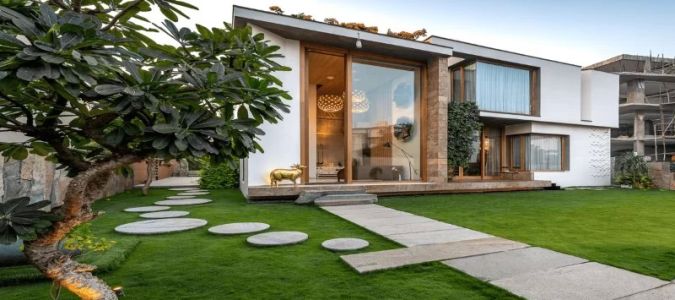
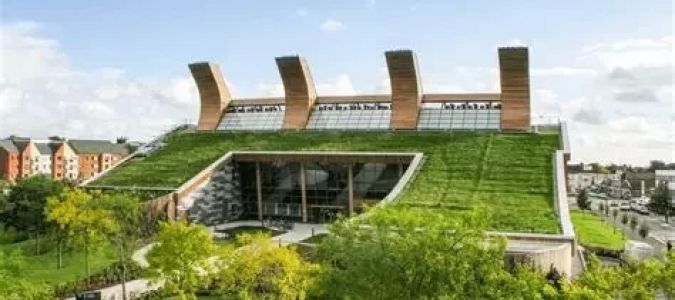
One of the most exciting innovations in mixed-use architecture is the integration of green spaces within urban settings. Rooftop gardens, vertical gardens, and pocket parks within buildings are increasingly being included in designs. These green spaces not only provide aesthetic value but also contribute to sustainability and the well-being of residents and visitors.
Personally, I’ve noticed how vital green spaces are for my own sense of peace when living in a busy city. They break up the concrete and offer a natural respite, enhancing the livability of mixed-use environments.
2.2 Flexible and Adaptable Spaces
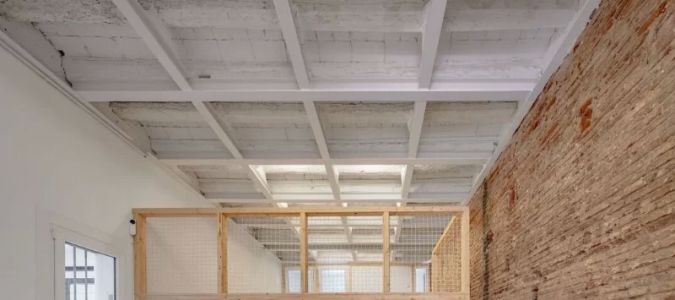
In the past, buildings were often designed with one function in mind—office spaces, retail stores, or apartments. However, as the demand for more adaptable spaces grows, architects are designing flexible layouts. These layouts can easily change over time as the needs of the neighborhood evolve.
For example, some buildings are now designed with modular elements, allowing for the conversion of a retail space into an office or vice versa. This flexibility helps future-proof developments, ensuring that they can continue to serve the community's needs long after they’re built.
2.3 Advanced Building Materials and Sustainability
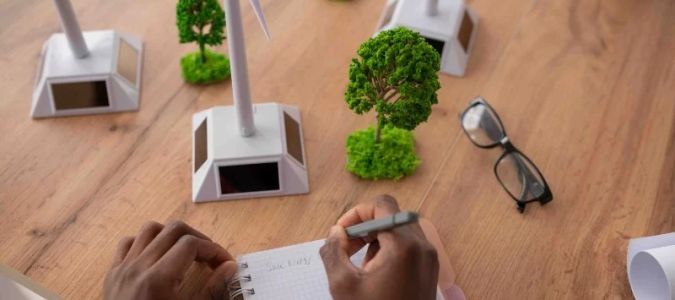
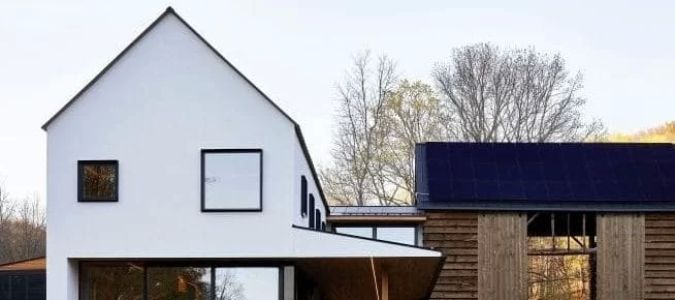
Architects are also experimenting with advanced building materials that are both sustainable and aesthetically pleasing. From solar panels to energy-efficient windows, these materials contribute to the environmental goals of mixed-use developments while also enhancing the visual appeal of the space.
When I visit newly designed mixed-use buildings, I’m always impressed by how seamlessly these eco-friendly elements are integrated into the overall design, making the building both modern and sustainable.
3. The Role of Sustainability in Mixed-Use Projects
In today’s world, sustainability isn’t just a buzzword—it’s an essential component of all modern architecture. Mixed-use developments are increasingly being designed with sustainability in mind, using energy-efficient systems, renewable resources, and sustainable materials to reduce their carbon footprint.
3.1 Reducing Energy Consumption
One of the most effective ways architects are ensuring that mixed-use developments are sustainable is by incorporating energy-saving technologies. These include efficient HVAC systems, LED lighting, and smart technologies that optimize the use of electricity and water.
3.2 Eco-Friendly Materials
Recycled materials, low-carbon concrete, and sustainable timber are just a few examples of the building materials that are becoming more common in mixed-use developments. These materials help reduce waste and limit the environmental impact of construction.
3.3 Green Transportation Solutions
Transportation is a key factor in the environmental impact of urban development. Architects are increasingly designing mixed-use developments with alternative transportation options in mind, such as bicycle storage, electric vehicle charging stations, and direct access to public transit.
4. Future Trends in Urban Mixed-Use Developments
Looking forward, mixed-use developments are expected to continue evolving with advancements in technology, environmental considerations, and changes in how we live and work. Here are some future trends that are already starting to shape urban spaces:
4.1 Smart Cities and Connectivity
As technology advances, the future of mixed-use developments will be heavily influenced by the concept of “smart cities.” These cities will integrate digital infrastructure and IoT (Internet of Things) devices to make buildings more responsive to residents' needs, enhancing everything from energy use to security.
4.2 Focus on Community-Centered Design
Future mixed-use developments will increasingly emphasize community integration. Architects are designing spaces that foster social interaction, with shared amenities like communal kitchens, event spaces, and public lounges. These spaces are designed to break down the walls between residential, commercial, and recreational areas, creating a true sense of community.
4.3 Emphasis on Resilience
With the growing impact of climate change, the next wave of mixed-use developments will prioritize resilience. This includes designing buildings that can withstand extreme weather conditions, incorporating flood-resistant infrastructure, and ensuring that developments can adapt to changing environmental challenges.
5. Real-Life Examples of Successful Mixed-Use Developments
Some of the most exciting and successful mixed-use developments are already underway around the world. Here are a few examples that highlight the future of urban living:
5.1 The High Line District in New York
The High Line, once an abandoned railway track in Manhattan, has been transformed into a vibrant mixed-use district with parks, residential buildings, and retail spaces. This development not only revitalized a piece of unused land but also created a community hub that blends nature and urban life seamlessly.
5.2 Southbank by Beulah, Melbourne
Southbank by Beulah is an ambitious mixed-use development in Melbourne that promises to reshape the skyline. With residential units, office spaces, and public areas all integrated, this development is an example of futuristic design combining art, technology, and sustainability.
6. How 10 Jay Street Encapsulates Modern Mixed-Use Design
One standout example of innovative mixed-use design is 10 Jay Street, a development in Brooklyn that combines residential spaces, office areas, and retail establishments into a single, integrated building. With a focus on sustainability, community, and modern architecture, 10 Jay Street is an ideal example of how today’s architects are reimagining the future of mixed-use developments. For those looking to explore cutting-edge architecture, 10 Jay Street offers a glimpse into the future of urban living.
For more information about modern urban developments and sustainable design, visit Tengerszem Hotels, where we explore exciting trends in real estate and hospitality design.