

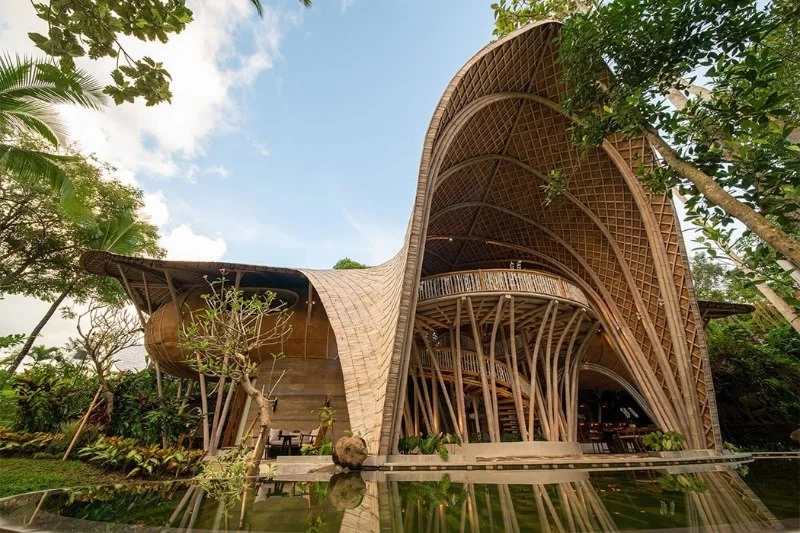
How Architects Are Using Natural Materials to Design Eco-Friendly Homes

How Architects Are Using Natural Materials to Design Eco-Friendly Homes

Learn how architects are using natural materials like wood, bamboo, and stone to design eco-friendly homes. Discover the benefits of these materials and their role in sustainable architecture.

  1. 10 Jay Street
  2. >
  3. Blog

How Architects Are Using Natural Materials to Design Eco-Friendly Homes

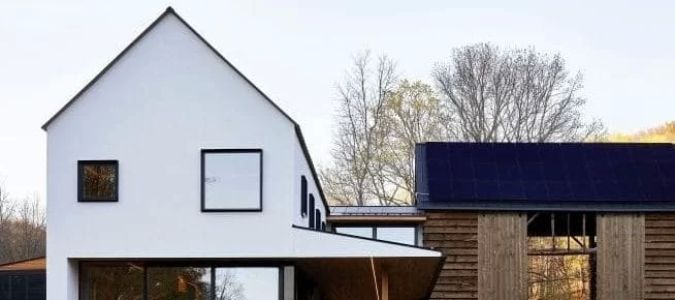
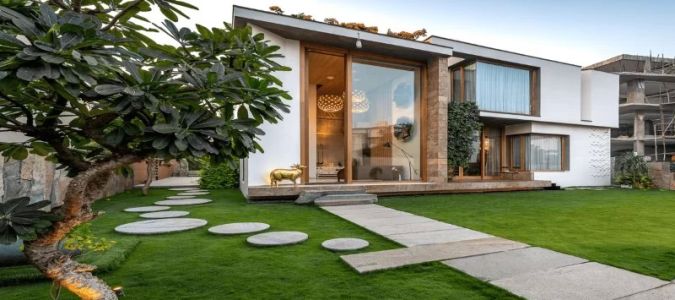
As the world continues to grapple with environmental concerns, architects are increasingly turning to natural materials to create eco-friendly homes. These materials, which are sourced from nature, offer a range of benefits, from reducing a building’s carbon footprint to enhancing indoor air quality. In this article, I’ll dive into how natural materials are being used in modern architecture, the benefits they bring, and why they are a sustainable choice for eco-conscious homeowners.

Why Use Natural Materials in Architecture?

Natural materials like wood, stone, bamboo, and clay have been used in construction for centuries. However, in recent decades, synthetic materials such as concrete, steel, and plastic have dominated the construction industry. Now, as sustainability becomes more of a priority, architects are revisiting natural materials for their environmental advantages.

Environmental Benefits

Natural materials are often more sustainable because they require less energy to produce compared to synthetic alternatives. For instance, bamboo grows rapidly and can be harvested without harming the environment. Additionally, many natural materials, like wood, are renewable resources when sourced responsibly. By utilizing these materials, architects can significantly reduce the overall carbon footprint of a home.

Health Benefits

Using natural materials also has health benefits. Materials like clay, wood, and natural stone help maintain a healthy indoor environment by regulating humidity and improving air quality. Unlike synthetic materials, which can emit volatile organic compounds (VOCs), natural materials are generally free from harmful chemicals. This makes them a safer choice for homeowners, especially those with allergies or sensitivities to chemicals.

Aesthetic Appeal

In addition to their environmental and health benefits, natural materials bring a unique aesthetic appeal to a home. Wood, stone, and bamboo all add warmth and texture that synthetic materials simply cannot replicate. The natural variation in these materials means that no two homes are exactly the same, which adds character and charm to the design.

There are many natural materials that architects are incorporating into their designs today. Below are some of the most popular and effective natural materials used in eco-friendly home construction.

1. Wood

Wood is one of the most versatile and widely used natural materials in architecture. From structural beams to finishes, wood brings warmth, beauty, and sustainability to homes. Timber, especially when sourced from certified sustainable forests, is a renewable resource that sequesters carbon, helping to offset a home’s carbon emissions. Engineered wood products, like cross-laminated timber (CLT), are also becoming increasingly popular for their strength and sustainability.

2. Stone

Stone is another material with a rich history in architecture. It’s durable, weather-resistant, and incredibly low-maintenance. Stone provides excellent insulation, keeping homes warm in winter and cool in summer. Moreover, many types of stone are locally sourced, reducing transportation emissions. From granite countertops to stone-clad exteriors, stone adds an earthy, timeless appeal to eco-friendly homes.

3. Bamboo

Bamboo has gained popularity in recent years for its fast-growing nature and environmental sustainability. It’s stronger than many hardwoods, making it an excellent choice for flooring, cabinetry, and even structural elements. Bamboo grows incredibly quickly and doesn’t require replanting, making it one of the most renewable building materials available. Architects are also using bamboo to create beautiful, natural finishes that are both durable and stylish.

4. Clay and Cob

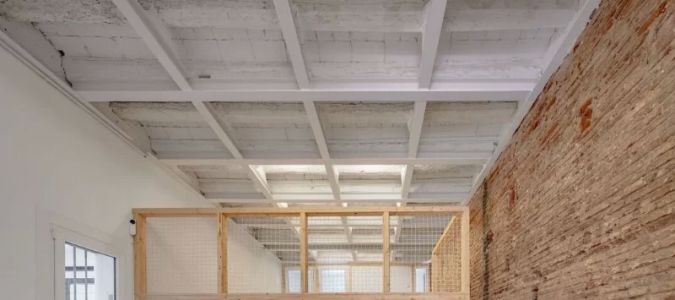
Clay and cob have been used for centuries, but they are making a comeback in modern architecture. These materials are made from natural earth and are used in a variety of forms, from brick to plaster. Clay and cob have excellent thermal mass properties, helping homes regulate temperature naturally. They are also biodegradable and non-toxic, making them a safe and eco-friendly option for building.

Sustainable Building Practices

Using natural materials is just one part of designing an eco-friendly home. Sustainable building practices also play a critical role in minimizing the environmental impact of construction. Many architects are incorporating passive design principles into their projects to reduce energy consumption and improve overall building performance.

Energy-Efficient Design

Energy-efficient homes are designed to maximize natural light and airflow, reducing the need for artificial heating, cooling, and lighting. By using materials like straw bales, hempcrete, and natural wool insulation, architects are creating homes that are highly energy-efficient while still maintaining comfort and style. These materials, when used in conjunction with passive solar design, can significantly lower a home’s energy usage and reduce utility costs.

Rainwater Harvesting and Green Roofs

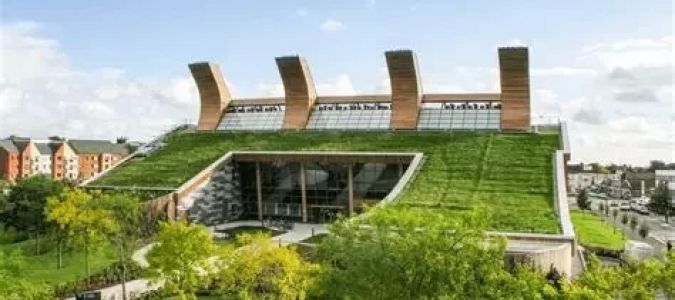
Eco-friendly homes often incorporate rainwater harvesting systems and green roofs. Rainwater harvesting collects rainwater for use in irrigation or plumbing, reducing reliance on municipal water systems. Green roofs, which are covered with vegetation, help insulate buildings and reduce stormwater runoff. Both of these techniques work in harmony with natural building materials to create homes that are more self-sufficient and environmentally friendly.

Case Studies: Successful Eco-Friendly Homes

Let’s take a look at a few real-world examples of architects successfully incorporating natural materials into eco-friendly home designs.

Example 1: The Strawbale House

One of the most innovative examples of using natural materials is the strawbale house. Strawbale homes are built with bales of straw as the primary insulating material, providing excellent thermal performance. These homes are incredibly energy-efficient and require minimal heating and cooling. In addition, straw is an affordable and renewable material, making it a cost-effective choice for homeowners looking to build a sustainable home.

Example 2: The Hempcrete House

Hempcrete is another natural material that has gained popularity in recent years. Made from hemp and lime, hempcrete is a lightweight, breathable material that provides excellent insulation. It also sequesters carbon, helping to offset the home’s overall carbon footprint. Hempcrete homes are not only sustainable but also highly durable and resistant to pests and mold.

Conclusion

Architects are leading the way in sustainable building practices by incorporating natural materials into eco-friendly home designs. These materials offer a range of benefits, from reducing a home’s carbon footprint to improving indoor air quality. By using materials like wood, bamboo, stone, and clay, architects are creating homes that are not only beautiful but also environmentally responsible. As sustainability continues to be a top priority in the construction industry, it’s clear that natural materials will play a key role in shaping the future of architecture.


SEO Title: How Architects Are Using Natural Materials to Design Eco-Friendly Homes SEO Keywords: natural materials in architecture, eco-friendly homes, sustainable building materials, wood in architecture, bamboo in homes, eco architecture SEO Description: Learn how architects are using natural materials like wood, bamboo, and stone to design eco-friendly homes. Discover the benefits of these materials and their role in sustainable architecture.

More

How to Integrate Art into Architectural Designs: A Complete Guide

How to Integrate Art into Architectural Designs: A Complete Guide

Learn how to integrate art into architectural designs effectively. Explore types of artistic elements, collaboration tips, and real-life case studies for stunning architectural projects.

Apr 22, 2026
Why Architects Must Consider Accessibility in Every Design

Why Architects Must Consider Accessibility in Every Design

Learn why architects must prioritize accessibility in their designs. Explore the legal requirements, design principles, and real-world examples that demonstrate the importance of accessibility in architecture.

Apr 21, 2026
How Smart Buildings Are Changing the Way We Live and Work

How Smart Buildings Are Changing the Way We Live and Work

Discover how smart buildings are transforming our daily lives and work environments. Learn about the benefits, trends, and innovations in smart building technology that are shaping the future of urban living.How Smart Buildings Are Changing the Way We Live and Work Introduction to Smart Buildings What Are Smart Buildings? Key Benefits of Smart Buildings Trends in Smart Building Technology Sustainability in Smart Buildings The Future of Smart Buildings1. Introduction to Smart BuildingsSmart buildings are rapidly becoming a core component of modern urban life. With the increasing use of technology to manage everything from lighting to climate control, these buildings are changing the way we live and work. As cities continue to grow, the demand for more efficient, sustainable, and intelligent infrastructures has never been higher. In this article, we will explore what smart buildings are, how they work, and how they are revolutionizing both residential and commercial spaces.2. What Are Smart Buildings?Smart buildings use advanced technologies and sensors to optimize the building’s systems and ensure efficient operation. These technologies are integrated into various aspects of the building, including lighting, HVAC (heating, ventilation, and air conditioning), security, and energy management. By automating these systems, smart buildings provide a more comfortable, secure, and sustainable environment for the people living or working in them.2.1 Core Features of Smart BuildingsSome of the core features of smart buildings include: Automated Systems: Systems like lighting, heating, and cooling are controlled automatically based on occupancy, time of day, or environmental conditions. Energy Efficiency: Smart buildings use energy-efficient technologies to reduce power consumption, such as smart thermostats and energy-efficient lighting. Remote Control: Building managers and tenants can control various systems remotely through mobile apps or centralized control hubs. Smart Security: Security systems in smart buildings include features like facial recognition, motion sensors, and smart locks that enhance safety.3. Key Benefits of Smart BuildingsSmart buildings offer numerous benefits to both occupants and building owners. These advantages extend beyond convenience and comfort, with significant financial and environmental impacts as well.3.1 Enhanced Energy EfficiencyOne of the most significant advantages of smart buildings is their energy efficiency. With automated systems that adjust heating, cooling, and lighting according to real-time data, smart buildings can reduce energy waste. For instance, lights may automatically turn off in empty rooms, and the HVAC system adjusts based on the weather outside. This not only lowers energy bills but also helps reduce the building's carbon footprint.3.2 Improved Comfort and ProductivityFor office buildings, the integration of smart technologies can significantly improve the work environment. Automated climate control ensures that spaces are always at an optimal temperature, and smart lighting can be adjusted to meet the needs of the occupants. This level of personalization can enhance both comfort and productivity, creating a healthier and more efficient workspace.3.3 Cost SavingsWhile the initial investment in smart building technologies can be high, the long-term savings are substantial. Building owners can reduce operational costs through more efficient energy use and predictive maintenance. For example, by monitoring system performance in real-time, smart buildings can identify when equipment is about to fail and schedule maintenance before a costly breakdown occurs.4. Trends in Smart Building TechnologyThe technology behind smart buildings is constantly evolving. Here are some of the current trends shaping the future of these structures:4.1 Internet of Things (IoT)The Internet of Things (IoT) is at the heart of smart building technology. IoT devices, such as smart thermostats, lights, and security cameras, connect to the building's central system, allowing for real-time data collection and analysis. This connectivity improves system efficiency and allows building managers to monitor and control systems remotely.4.2 Artificial Intelligence (AI) and Machine LearningAI and machine learning are being integrated into smart buildings to predict system behavior and optimize energy usage. For example, AI can analyze data from building systems to predict future energy consumption patterns and adjust heating or cooling schedules accordingly. This technology helps building owners save money and improve overall building performance.4.3 Voice Control and AutomationWith the rise of voice-activated technologies, smart buildings are increasingly incorporating voice control for tasks like adjusting lighting, setting thermostats, or controlling entertainment systems. This hands-free approach adds a layer of convenience for both residential and commercial spaces.5. Sustainability in Smart BuildingsSustainability is a core aspect of the smart building movement. By reducing energy consumption, promoting the use of renewable energy sources, and optimizing resource management, smart buildings are playing a crucial role in supporting sustainable urban development.5.1 Green Building MaterialsMany smart buildings are being constructed using eco-friendly materials that minimize environmental impact. For example, sustainable construction materials like recycled steel, bamboo, and low-emission paints contribute to reducing the building's carbon footprint.5.2 Renewable Energy IntegrationSmart buildings are increasingly being designed with renewable energy sources, such as solar panels and wind turbines, to generate clean energy. By integrating these systems with smart grid technologies, buildings can generate their own power and contribute to the local energy grid, reducing reliance on fossil fuels.6. The Future of Smart BuildingsAs technology continues to advance, the potential of smart buildings will only grow. The future of smart buildings involves even more integrated systems, better energy management, and enhanced automation. As cities become more populated, the demand for smart, sustainable buildings will rise, shaping the future of urban living and workspaces.The integration of advanced technologies like 5G, augmented reality, and even robotics will enable smarter, more responsive buildings. In addition, as consumers increasingly prioritize sustainability, smart buildings will continue to lead the way in creating greener, more efficient environments.For more information on finding the perfect smart building space or discovering innovative technologies, visit 10 Jay Street for the best options.

Apr 21, 2026
How Architecture Can Help Improve the Social Cohesion of Communities

How Architecture Can Help Improve the Social Cohesion of Communities

Discover how architecture can enhance social cohesion within communities. Learn about the impact of design, urban planning, and community spaces on fostering social ties and improving collective well-being. The Importance of Social Cohesion in Communities The Role of Architecture in Enhancing Social Cohesion Designing Spaces that Encourage Social Interaction Examples of Successful Community-Focused Architecture The Impact of Public Spaces on Strengthening Social Ties When to Consider Expert Advice in Community Design1. The Importance of Social Cohesion in CommunitiesOne of the core values that hold a community together is social cohesion. From personal experience, I’ve noticed that communities where people feel connected, supported, and valued tend to thrive. Whether it's the neighbor who helps you with groceries or the local coffee shop where everyone knows your name, these small, everyday interactions create a web of relationships that support mental well-being, economic stability, and personal happiness.Social cohesion is about more than just knowing your neighbors; it's about fostering trust, collaboration, and mutual respect among people from all walks of life. In today’s fast-paced, often fragmented world, many communities are struggling to maintain that sense of connection. That's where architecture and urban planning play a crucial role in shaping the spaces where we live, work, and interact. Let’s explore how thoughtful architecture can help strengthen social bonds within a community.2. The Role of Architecture in Enhancing Social CohesionAs I’ve observed over the years, the design and structure of our built environment can have a profound impact on how we interact with one another. Architecture is not just about aesthetics; it’s about creating spaces that encourage connection. Whether through the layout of streets, the creation of public squares, or the design of shared facilities, architecture has the power to foster a sense of belonging and encourage social interaction.2.1 Designing for Interaction and InclusionConsider how some of the best public spaces are designed with the idea of interaction in mind. Parks, plazas, and community centers are often built to bring people together in a shared space, and that sense of inclusion is essential for social cohesion. In my own neighborhood, for example, a park designed with plenty of benches, open areas, and walking paths has become a central gathering point for residents. People from different age groups and backgrounds can be seen enjoying the space, which helps strengthen their sense of belonging to the community.2.2 Accessibility and ConnectivityAnother crucial factor in fostering social cohesion through architecture is ensuring accessibility. This includes both physical access to public spaces and the connectivity between them. A well-planned city or neighborhood encourages foot traffic and easy access to shared spaces, helping people naturally come together. In contrast, areas that are isolated, with poor walkability or limited public transport options, can make it harder for residents to engage with each other. This fragmentation can weaken community bonds. Thoughtful urban planning can reverse this trend, creating spaces that facilitate interaction across different groups within the community.3. Designing Spaces that Encourage Social InteractionArchitectural design can actively encourage social interaction by considering how spaces are used, where they are located, and what they offer. I’ve realized that even the smallest design choices can have a big impact. For example, public seating areas that face each other or are arranged in open circles create opportunities for casual conversations. Similarly, well-lit streets and inviting storefronts encourage people to spend time outdoors, interacting with each other. These are simple yet effective ways that architecture can enhance community life.3.1 Shared Spaces and Multi-Use DesignWhen designing spaces, it’s essential to consider the multiple purposes they can serve. A community center, for example, could serve as a place for meetings, cultural events, and even casual gatherings. By designing flexible spaces that can be adapted to various needs, architects can help ensure that public areas remain vibrant and utilized throughout the day, providing continuous opportunities for social engagement.3.2 Integrating Nature into Urban DesignI’ve found that integrating natural elements into urban environments plays a significant role in encouraging social interaction. Green spaces, community gardens, and tree-lined streets create more pleasant environments for people to gather and relax. The calming effect of nature encourages individuals to spend more time outside, fostering unplanned interactions and building relationships. For example, a neighborhood I once visited had a beautiful garden square at its center, and it became a popular spot where people would meet daily to chat or engage in leisure activities.4. Examples of Successful Community-Focused ArchitectureAcross the world, there are numerous examples of architecture designed to improve social cohesion. I’ve come across several projects that have successfully brought communities together through well-thought-out design.4.1 The High Line in New York CityThe High Line in New York City is one of the best-known examples of urban design that fosters social interaction. Once a dilapidated rail track, it has been transformed into a green space that runs through neighborhoods, providing both locals and tourists with a place to relax and connect. The success of the High Line lies in its ability to connect different parts of the city while offering a place for people to socialize, walk, or simply enjoy the views.4.2 The 10 Jay Street ProjectAnother excellent example of architecture enhancing community cohesion is the 10 Jay Street project. Located in a vibrant neighborhood, it features mixed-use spaces that include residential, office, and retail areas. The building design focuses on accessibility and interaction, with open communal areas that encourage collaboration among residents and businesses. This blend of living, working, and socializing spaces has helped foster a sense of community and belonging in the area.5. The Impact of Public Spaces on Strengthening Social TiesPublic spaces are a vital component of social cohesion. In many ways, these spaces act as the “living rooms” of communities, where people can come together to relax, interact, and strengthen their social bonds. From my experience, the more accessible and inviting public spaces are, the more likely people are to use them and engage with one another. This can have a lasting impact on the overall sense of belonging and trust within a community.5.1 Creating Safe and Welcoming Public SpacesPublic spaces that are safe, well-maintained, and inclusive provide a foundation for stronger social ties. Lighting, seating, landscaping, and accessibility features all contribute to a welcoming atmosphere. Communities that invest in their public spaces are likely to see improved social interactions and a higher sense of security among residents.6. When to Consider Expert Advice in Community DesignWhile general design principles can help enhance social cohesion, some community projects may require expert advice from architects or urban planners. If you’re considering a larger-scale project to improve your neighborhood or city’s social dynamics, working with professionals can help ensure that your vision aligns with the community’s needs. I’ve seen many successful urban planning initiatives that brought in experts to design spaces that promote inclusivity and social interaction. Consulting with a design firm can be the best step to ensure that the spaces are not only functional but also conducive to building stronger communities.

Apr 20, 2026
How to Incorporate Green Building Practices into Your Architectural Projects

How to Incorporate Green Building Practices into Your Architectural Projects

Discover how to integrate green building practices into your architectural projects. Learn sustainable techniques and energy-efficient strategies for eco-friendly designs.How to Incorporate Green Building Practices into Your Architectural ProjectsAs sustainability becomes a top priority across industries, architects are increasingly incorporating green building practices into their projects. Green architecture focuses on using eco-friendly materials, energy-efficient designs, and strategies that reduce a building's environmental impact. In this article, we explore key strategies for incorporating green building practices into your architectural projects and how these practices can benefit both the environment and your clients. Understanding Green Building Principles Eco-Friendly Materials for Sustainable Design Energy-Efficiency Strategies for Modern Architecture Real-World Examples of Green Building Projects Benefits and Challenges of Green Building1. Understanding Green Building PrinciplesGreen building is centered on the idea of minimizing a structure’s environmental footprint. The primary goals of green building include energy efficiency, resource conservation, and the use of sustainable materials. Incorporating green practices into your projects starts with understanding the core principles:1.1 Energy EfficiencyEnergy-efficient design reduces energy consumption and increases building performance. By focusing on passive solar design, natural ventilation, and advanced insulation techniques, architects can create buildings that use significantly less energy for heating, cooling, and lighting.1.2 Water ConservationWater conservation is another key component of green building. This includes the use of low-flow fixtures, rainwater harvesting systems, and landscaping that requires minimal water use. These strategies help reduce water consumption and manage resources more effectively.1.3 Sustainable MaterialsChoosing materials that are renewable, recyclable, or locally sourced is essential for sustainable design. Materials like bamboo, reclaimed wood, and recycled metal are not only eco-friendly but also provide unique aesthetic value.2. Eco-Friendly Materials for Sustainable DesignUsing eco-friendly materials is one of the most effective ways to incorporate green building practices into architectural projects. These materials are sourced in a way that minimizes harm to the environment and contributes to the overall sustainability of the building. Some examples of eco-friendly materials include:2.1 Recycled and Reclaimed MaterialsRecycled and reclaimed materials are increasingly popular in sustainable architecture. Using reclaimed wood, steel, or brick can significantly reduce the need for new resources and help preserve the environment. These materials also add a unique, rustic charm to a building’s design.2.2 BambooBamboo is a highly sustainable material due to its fast growth and minimal environmental impact. It is commonly used for flooring, furniture, and even structural elements. Bamboo is durable, aesthetically appealing, and a renewable resource.2.3 Low-VOC and Non-Toxic PaintsLow-VOC (Volatile Organic Compounds) paints and finishes are crucial in reducing indoor air pollution and improving the health of occupants. These paints are made without harmful chemicals, ensuring a healthier living environment.3. Energy-Efficiency Strategies for Modern ArchitectureEnergy efficiency is one of the cornerstones of green building design. Here are some key strategies architects can use to create energy-efficient buildings:3.1 Passive Solar DesignPassive solar design takes advantage of natural energy sources, such as the sun, to heat and cool buildings. This involves strategic placement of windows, shading, and insulation to maximize solar gain in the winter and minimize it during the summer.3.2 Smart Building TechnologyIncorporating smart technologies, such as automated lighting, heating, and cooling systems, helps optimize energy use. These systems can be programmed to adjust based on occupancy and time of day, ensuring that energy is used efficiently throughout the day.3.3 High-Efficiency HVAC SystemsInstalling high-efficiency heating, ventilation, and air conditioning (HVAC) systems can significantly reduce energy consumption in both residential and commercial buildings. These systems are designed to use less energy while providing optimal indoor comfort.4. Real-World Examples of Green Building ProjectsMany buildings worldwide have successfully implemented green building practices. These projects demonstrate how green designs can be incorporated into a variety of building types, from homes to large commercial structures. Some notable examples include:4.1 The Edge in AmsterdamThe Edge is often referred to as the world’s greenest office building. It features a highly energy-efficient design, with solar panels, natural ventilation, and an advanced building management system. The building’s design prioritizes sustainability while also creating a comfortable and productive environment for its occupants.4.2 The Bullitt Center in SeattleKnown as the “greenest commercial building in the world,” the Bullitt Center was designed to meet the Living Building Challenge, one of the most rigorous sustainability standards. The building is entirely self-sufficient in terms of energy and water, with its own solar panels and rainwater harvesting system.5. Benefits and Challenges of Green BuildingWhile green building offers numerous benefits, such as reduced energy costs and environmental impact, it also presents certain challenges. The initial cost of sustainable materials and technologies can be higher than traditional building methods, but the long-term savings in energy and maintenance can offset these costs.Incorporating green building practices into your architectural projects can enhance the sustainability of your designs, create healthier environments for occupants, and provide long-term cost savings. To explore more green building materials and strategies, visit 10 Jay Street for additional resources and product recommendations.

Apr 20, 2026
How to Plan Your Dream Home with the Help of an Architect

How to Plan Your Dream Home with the Help of an Architect

Learn how to plan your dream home with the help of an architect. From initial consultation to project management, find out how architects can bring your vision to life. Visit 10 Jay Street for expert guidance.

Apr 19, 2026