

How Architects Can Help Reduce Urban Sprawl Through Smart Design
architectural design, urban sprawl, sustainable architecture, smart city planning, reducing urban sprawl, urban development
Discover how architects play a pivotal role in reducing urban sprawl through smart, sustainable designs. Learn about innovative approaches to urban planning that help create livable, efficient cities.
The Growing Concern of Urban Sprawl
Urban sprawl refers to the uncontrolled spread of urban areas into surrounding rural land, often leading to inefficient land use, environmental degradation, and increased dependence on automobiles. In many cities, this phenomenon has caused a range of issues such as traffic congestion, poor air quality, and loss of green spaces. As cities expand, it becomes increasingly important to rethink how urban planning and architectural design can contribute to creating more sustainable, compact, and efficient urban environments. Architects have a crucial role to play in shaping the future of urban development and mitigating the impacts of sprawl.
1. Incorporating Mixed-Use Developments
One of the most effective ways architects can help reduce urban sprawl is by designing mixed-use developments that integrate residential, commercial, and recreational spaces. By combining different functions within a single building or area, these developments encourage walkability and reduce the need for long commutes. For instance, having homes, offices, and shops in close proximity helps create vibrant communities where people can live, work, and play without the need for cars.
Case Study: The Success of Mixed-Use in Downtown Areas
Take the example of cities like Portland, Oregon, and Vancouver, Canada, where mixed-use developments have thrived. In Portland, the Pearl District, once an industrial area, has been transformed into a thriving neighborhood with a mix of apartments, offices, and retail stores. This has reduced the need for urban expansion into rural areas, providing residents with a more sustainable lifestyle. Mixed-use developments like this not only reduce sprawl but also improve the overall quality of life by promoting local commerce and community engagement.
2. Emphasizing Walkability and Public Transit Accessibility
Another approach architects take to combat urban sprawl is designing neighborhoods that prioritize walkability and are well connected to public transit systems. Walkable communities reduce the need for cars, which in turn helps reduce traffic congestion and pollution. By placing essential services such as grocery stores, schools, and healthcare facilities within walking distance, architects help create neighborhoods where people can access everything they need without relying on personal vehicles.
Example: The 15-Minute City Concept
In Paris, Mayor Anne Hidalgo has promoted the concept of the “15-minute city,” where all essential services are accessible within a 15-minute walk or bike ride from residents' homes. This urban planning strategy has been adopted in several other cities worldwide, such as Melbourne and Madrid. By focusing on creating more walkable urban spaces, architects are leading the charge against urban sprawl, making cities more sustainable and reducing the strain on infrastructure.
3. Designing for Sustainable Growth
Sustainability is another key focus for architects looking to reduce urban sprawl. Green building practices, such as incorporating renewable energy sources, using energy-efficient materials, and designing buildings that minimize environmental impact, can contribute significantly to more sustainable urban growth. By designing buildings and neighborhoods that are both energy-efficient and eco-friendly, architects help preserve natural resources and reduce the environmental footprint of urban areas.
Case Example: Green Architecture in Eco-Cities
Eco-cities like Masdar City in the United Arab Emirates showcase how sustainable design can guide urban development without contributing to sprawl. Masdar City is built with renewable energy, efficient transportation systems, and green spaces, offering a model for other cities to follow. By incorporating green architecture into urban development plans, architects are setting the stage for a new generation of cities that are sustainable, livable, and environmentally conscious.
4. Leveraging Smart City Technologies
With the rise of technology, architects can now integrate smart city solutions into their designs to further reduce urban sprawl. Smart technologies such as energy-efficient lighting, waste management systems, and real-time traffic monitoring allow cities to optimize resource usage and improve the quality of life for residents. By using technology to better manage urban infrastructure, architects can help create cities that are more efficient and better equipped to handle growth without sprawling outward.
Example: The Role of Technology in Singapore’s Urban Planning
Singapore is an example of a city that has successfully integrated smart city technologies into its urban planning. The city’s use of sensors, data analytics, and digital infrastructure helps manage everything from traffic flow to energy consumption. By incorporating these technologies into urban design, Singapore has been able to grow in a controlled, sustainable way, reducing sprawl while improving the overall efficiency of the city.
5. Prioritizing Green Spaces and Nature Integration
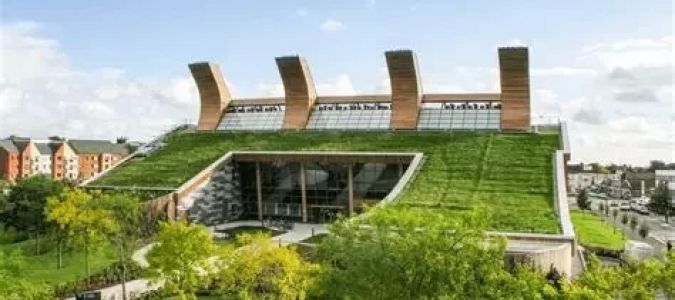
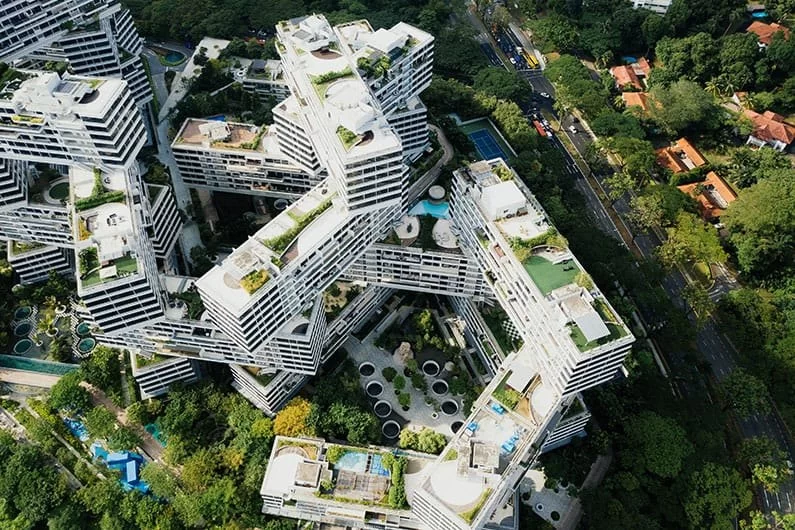
Finally, architects can help reduce urban sprawl by incorporating green spaces and nature into urban design. Parks, green roofs, and community gardens not only provide aesthetic value but also offer environmental benefits, such as improving air quality and providing habitats for wildlife. Integrating green spaces into urban design reduces the need to expand into surrounding rural areas, preserving ecosystems and contributing to the mental and physical well-being of residents.
Case Study: The High Line in New York City
The High Line, an elevated park built on a former railway track in New York City, is an excellent example of how green spaces can revitalize urban areas and reduce the need for sprawl. The park has become a beloved space for both locals and tourists, offering green relief amidst the concrete jungle of Manhattan. By reclaiming underutilized urban areas and turning them into public green spaces, architects have transformed New York's skyline while reducing the pressure to expand into nearby natural areas.
Conclusion
Architects play an essential role in reducing urban sprawl through smart design practices that prioritize sustainability, mixed-use development, walkability, and green spaces. By adopting innovative approaches to urban planning, architects are creating cities that can grow and thrive without sprawling uncontrollably into the surrounding countryside. With smart design, we can reduce the environmental impact of urbanization while creating more livable, efficient, and connected communities.