

- Why Designing with a Smaller Footprint Matters
- How Architects Can Implement Sustainable Design
- Strategies for Maximizing Small Spaces
- Real-Life Examples of Smaller Footprint Homes
- Challenges and Solutions in Small Footprint Design
Why Designing with a Smaller Footprint Matters
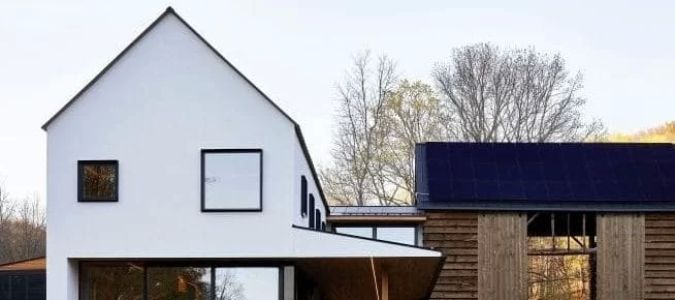
In recent years, there has been a growing trend toward designing homes with a smaller environmental footprint. With climate change concerns and a heightened awareness of sustainability, many people are seeking to live in homes that consume fewer resources and minimize waste. As an architect, designing homes with smaller footprints is a challenge, but also an exciting opportunity to create innovative, sustainable, and functional spaces.
As someone passionate about sustainability, I’ve seen firsthand how the shift towards smaller homes can make a huge difference. A smaller footprint doesn't mean sacrificing comfort or style; it’s about being smarter with how space is used. Architects are at the forefront of creating these spaces that prioritize functionality while reducing energy consumption, waste, and resource use.
How Architects Can Implement Sustainable Design
Architects have an essential role to play in helping homeowners create smaller, more sustainable homes. By combining innovative design, smart materials, and energy-efficient technologies, architects can reduce a building's environmental impact. Here are some key ways architects contribute to sustainable design:
2.1. Maximizing Natural Light
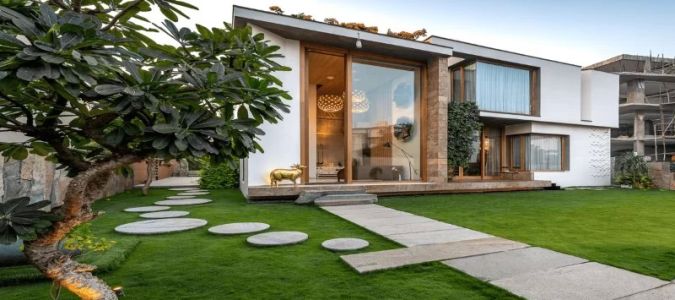
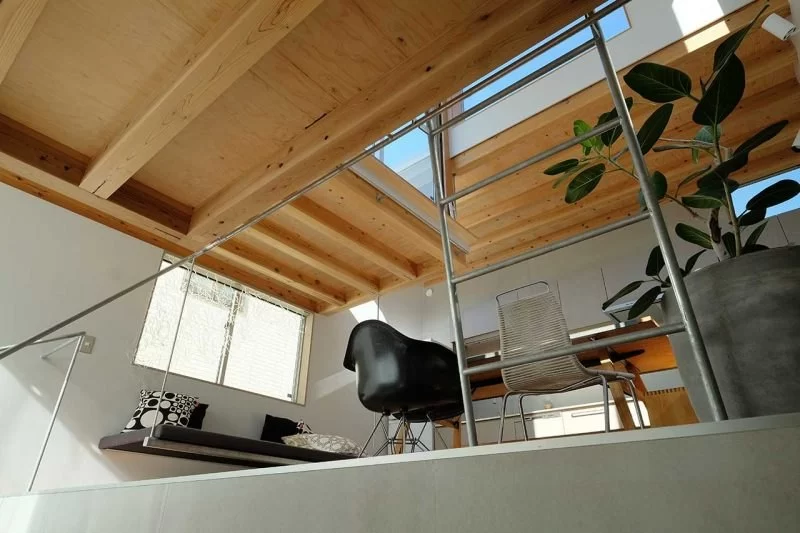
One of the first ways architects can create sustainable homes is by designing them to make the most of natural light. Using large windows, light wells, and skylights, architects can reduce the need for artificial lighting during the day. This not only lowers energy consumption but also improves the overall atmosphere of the home. I’ve worked on projects where the strategic placement of windows made a massive difference in energy efficiency while still providing beautiful views and natural illumination.
2.2. Selecting Energy-Efficient Materials
Choosing the right materials is crucial when designing a smaller home with a smaller footprint. Materials like reclaimed wood, recycled steel, and sustainable insulation options can significantly reduce the environmental impact of the home. I’ve seen the positive effects of using these materials firsthand, not only on the environment but also on the overall aesthetic of the space. These materials often bring unique textures and character to a home while being eco-friendly.
2.3. Incorporating Green Technologies
Green technologies, such as solar panels, energy-efficient HVAC systems, and water-saving appliances, can help reduce a home’s carbon footprint while keeping utility bills low. Architects are experts at integrating these technologies into a home design without compromising style or function. In some of my projects, we've been able to incorporate energy-saving solutions that make the home almost self-sufficient in terms of energy use.
Strategies for Maximizing Small Spaces
When designing a home with a smaller footprint, it's essential to focus on maximizing every square foot. Architects use a variety of strategies to make small spaces feel larger and more functional:
3.1. Open Floor Plans
Open floor plans are a popular choice in smaller homes because they make spaces feel larger and more interconnected. By eliminating unnecessary walls and creating fluid transitions between rooms, architects can open up the home and make it feel more spacious. I’ve found that open floor plans also make homes feel more inviting and modern, without feeling cramped.
3.2. Multi-Functional Furniture
In small homes, it’s important to make every piece of furniture work hard. Multi-functional furniture, such as fold-out desks, hidden storage compartments, and sofa beds, can help you maximize space without sacrificing comfort or style. In one of my recent designs, we incorporated a dining table that doubles as a work desk and a bookshelf, allowing the homeowner to use the space more efficiently.
3.3. Vertical Space Utilization
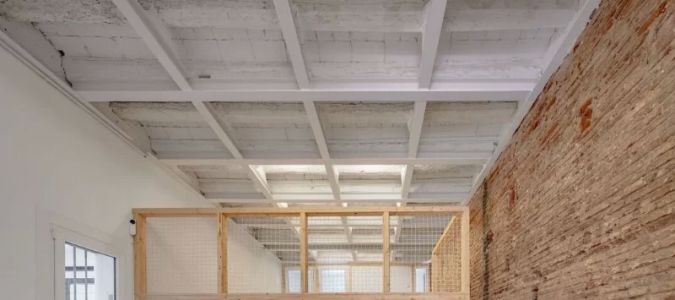
When square footage is limited, utilizing vertical space becomes essential. Architects can design homes with high ceilings and tall storage units that take advantage of vertical space. Shelves that go up to the ceiling, hanging racks, and lofted sleeping areas are just a few examples of how architects can maximize vertical space to make a small home feel more spacious.
Real-Life Examples of Smaller Footprint Homes
There are many incredible examples of homes with smaller footprints that demonstrate how architects can create efficient, stylish, and sustainable spaces. Here are some real-life examples of these innovative designs:
4.1. The Tiny House Movement
The tiny house movement has taken off in recent years, with many homeowners choosing to live in homes that are less than 400 square feet. Architects working on tiny houses focus on maximizing every inch of space, using smart design techniques and multifunctional furniture. These homes have proven that less can be more, offering a minimalist lifestyle that reduces environmental impact and encourages intentional living.
4.2. The Sustainable Micro-Apartment
Micro-apartments, typically around 200-400 square feet, have become increasingly popular in urban environments where space is limited and property prices are high. In designing these compact spaces, architects focus on creating functional, flexible interiors. For example, a wall-mounted dining table may fold away when not in use, or a Murphy bed can provide space for living during the day while offering a cozy sleeping area at night.
Challenges and Solutions in Small Footprint Design
Designing homes with smaller footprints is not without its challenges. However, architects are skilled at overcoming these obstacles to create beautiful, efficient spaces. Some common challenges and the solutions architects use to address them include:
5.1. Limited Storage
One of the most common challenges in small home design is providing enough storage. Architects can address this by designing built-in storage solutions, such as cabinets that fit under stairs, lofted beds with drawers, or even wall-mounted storage that doesn't take up floor space. These solutions help keep small spaces organized without feeling cluttered.
5.2. Maintaining Privacy
In smaller homes, privacy can be a concern, especially in open-plan designs. Architects can use clever design techniques to create private spaces without adding unnecessary walls. For instance, they might incorporate sliding doors or use screens and partitions to create separate areas within a larger room. This approach maintains the openness of the space while providing the necessary privacy.
In conclusion, architects have an essential role in helping homeowners design homes with a smaller footprint. By using smart design strategies, energy-efficient materials, and innovative technologies, architects can create homes that are not only functional and beautiful but also environmentally responsible. If you're considering building a home with a smaller footprint, consult with an architect to explore the possibilities. At 10 Jay Street, we specialize in creating customized designs that meet your sustainability goals and maximize space.