

- 1-Understanding Sense of Place in Urban Areas
- 2-Architectural Strategies for Place-Making
- 3-Case Studies of Successful Urban Design
- 4-Integration of Public Spaces and Community Interaction
- 5-Role of Materials, Lighting, and Landscape
- 6-Practical Tips for Creating a Unique Urban Identity
1. Understanding Sense of Place in Urban Areas
Creating a sense of place in urban areas goes beyond constructing functional buildings. It involves fostering emotional connections between people and their surroundings. Architecture plays a crucial role by shaping spaces that evoke belonging, identity, and community pride. In dense cities, the challenge lies in blending aesthetic appeal with accessibility, functionality, and cultural resonance.
A strong sense of place encourages engagement, enhances social cohesion, and promotes sustainable urban living. By understanding the local history, demographics, and cultural narratives, architects can design spaces that resonate deeply with residents while inviting visitors to connect meaningfully with the urban fabric.
2. Architectural Strategies for Place-Making
Architects employ multiple strategies to cultivate place-making:
- Contextual Design: Integrating buildings with the surrounding neighborhood’s architectural language and cultural heritage.
- Human-Scaled Spaces: Designing streets, plazas, and parks that prioritize pedestrian comfort and social interaction.
- Visual Landmarks: Creating iconic structures or focal points that help orient residents and visitors.
- Flexible Interiors: Spaces that adapt to multiple functions and activities encourage community use and engagement.
These strategies ensure that urban architecture does not merely fill space but actively shapes experiences, memories, and identity.
3. Case Studies of Successful Urban Design
Several cities demonstrate effective place-making through architecture. For example, High Line Park in New York City transformed an abandoned railway into a vibrant linear park, integrating public art, greenery, and community spaces. Similarly, Paseo de la Reforma in Mexico City combines cultural landmarks, pedestrian zones, and plazas that reflect the city’s historical and modern identity.
These case studies illustrate that urban areas can achieve a strong sense of place by balancing historical context, public accessibility, and innovative design solutions. For developers or urban planners seeking expert guidance, 10 Jay Street offers consultation on implementing successful architectural strategies in complex urban environments.
4. Integration of Public Spaces and Community Interaction
Public spaces are essential to creating a vibrant urban identity. Plazas, parks, and pedestrian corridors encourage interaction and participation in community life. Thoughtful architecture guides movement, creates gathering areas, and fosters safety and comfort, which all contribute to a sense of belonging.
Designing with community input ensures that public spaces meet local needs while reflecting cultural and historical contexts. This participatory approach strengthens the connection between architecture and the people it serves.
5. Role of Materials, Lighting, and Landscape
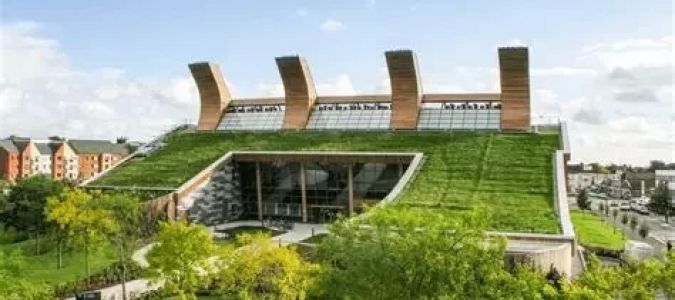
Materials, lighting, and landscaping significantly influence urban identity. Natural materials like wood, stone, and brick connect people to history and authenticity, while modern materials can convey innovation and forward-thinking design. Lighting highlights architectural features and creates ambiance, enhancing safety and nighttime usability. Green spaces and urban landscaping offer psychological relief, improve air quality, and strengthen emotional ties to the city.
6. Practical Tips for Creating a Unique Urban Identity
- Research local culture and history to guide architectural decisions.
- Incorporate interactive public spaces that encourage social gatherings.
- Use landmark elements to provide orientation and visual interest.
- Balance modern design with contextual sensitivity for authenticity.
- Consult experts, like 10 Jay Street, for guidance on designing cohesive, meaningful urban projects.
Applying these principles allows architects and urban planners to craft spaces that foster pride, identity, and a lasting sense of place.