

- 1. Understanding Environmental Stewardship in Architecture
- 2. Key Sustainable Design Principles in Architecture
- 3. Green Building Materials and Techniques
- 4. Real-Life Examples of Sustainable Architecture
- 5. How Architecture Impacts the Environment and Our Future
1. Understanding Environmental Stewardship in Architecture
As someone passionate about both architecture and sustainability, I have often wondered how buildings and structures can positively impact the environment. Environmental stewardship in architecture refers to the practice of designing and constructing buildings that minimize harm to the planet while maximizing benefits to its inhabitants. This concept goes beyond simply reducing a building's carbon footprint—it also involves considering the use of resources, energy efficiency, and creating spaces that contribute to the well-being of people and nature alike.
Environmental stewardship in architecture is about fostering a balance between human development and the natural world. It's a response to the growing awareness of environmental issues, such as climate change, deforestation, and the depletion of natural resources. As architects and designers, we have a responsibility to rethink how we build and how our buildings affect the world around us.
2. Key Sustainable Design Principles in Architecture
Throughout my exploration of sustainable architecture, I found several key principles that guide the design process of eco-friendly buildings. These principles are focused on reducing environmental impact, improving energy efficiency, and ensuring that the built environment contributes positively to society and the planet. Here are some of the fundamental sustainable design principles I’ve come across:
2.1 Energy Efficiency
One of the primary goals of sustainable architecture is energy efficiency. Buildings consume a significant amount of energy for heating, cooling, lighting, and various other functions. Incorporating energy-efficient systems, such as proper insulation, solar panels, and energy-efficient windows, can drastically reduce a building's energy consumption. I’ve learned that well-designed buildings with efficient heating and cooling systems not only lower energy bills but also help reduce the overall carbon footprint.
2.2 Water Conservation
Water is a precious resource, and reducing water usage is another important aspect of sustainable architecture. From water-efficient fixtures to rainwater harvesting systems, many architects are integrating technologies that reduce water waste. I’ve seen how buildings with water-saving features, like low-flow faucets and greywater recycling systems, make a real difference in reducing a building's environmental impact while still offering comfort and utility to its residents.
2.3 Sustainable Materials and Durability
The materials used in construction play a critical role in a building's environmental impact. Sustainable architecture focuses on using eco-friendly, renewable, and locally sourced materials that have minimal negative effects on the environment. I’ve been amazed at how materials like bamboo, recycled steel, and sustainably harvested wood can create durable, attractive, and eco-friendly buildings. These materials help reduce waste, support sustainable supply chains, and lower a building's carbon footprint.
3. Green Building Materials and Techniques
In my journey to understand sustainable architecture, I came across various green building materials and techniques that make a big difference in reducing a building’s environmental impact. These materials and techniques not only make buildings more energy-efficient but also help preserve the environment for future generations. Here are a few examples I found particularly impressive:
3.1 Solar Panels and Renewable Energy
Solar panels are perhaps one of the most well-known and accessible green building technologies. They harness energy from the sun and convert it into electricity, reducing the need for fossil fuels. I’ve seen how buildings with solar panels can significantly reduce their reliance on grid power, saving money and reducing emissions. Additionally, incorporating renewable energy sources like wind or geothermal systems can further minimize environmental impact.
3.2 Green Roofs and Living Walls
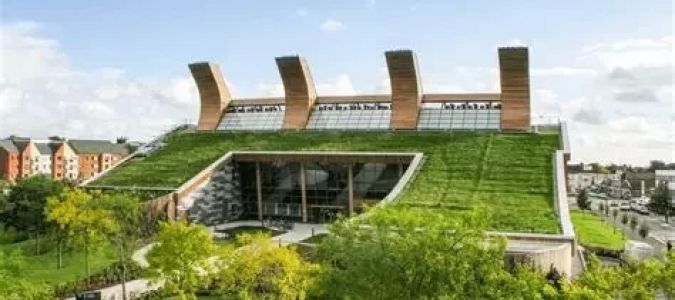
Another innovative technique I found fascinating is the use of green roofs and living walls. These are not only visually appealing but also help with insulation, reduce the urban heat island effect, and improve air quality. Green roofs provide natural insulation, which reduces the need for air conditioning, while living walls—vertical gardens—help filter air and improve the aesthetics of a building. I’ve noticed that these features can significantly contribute to a building’s overall environmental performance.
3.3 Maximizing Natural Light and Ventilation
Maximizing natural light and ventilation is a simple yet effective way to reduce a building's energy consumption. By strategically placing windows, skylights, and vents, architects can reduce the need for artificial lighting and mechanical ventilation. I’ve learned that natural light not only reduces electricity usage but also creates healthier, more pleasant spaces for building occupants. Proper natural ventilation helps maintain fresh indoor air and reduce reliance on air conditioning systems.
4. Real-Life Examples of Sustainable Architecture
Seeing sustainable architecture in action is always inspiring. Here are a few real-life examples of projects that embody environmental stewardship through design:
4.1 The Edge in Amsterdam
The Edge in Amsterdam is often hailed as one of the greenest office buildings in the world. It features energy-efficient systems, a rooftop garden, and state-of-the-art sustainable technologies, including solar panels and rainwater harvesting. I was amazed by how the building was designed to minimize energy use while providing a comfortable and healthy working environment for its occupants. It’s a perfect example of how architecture can reduce environmental impact while promoting productivity and well-being.
4.2 The Bullitt Center in Seattle
The Bullitt Center in Seattle is another inspiring example. It’s considered one of the world’s greenest commercial buildings, designed to meet the Living Building Challenge, the most rigorous sustainability certification. The building features energy-efficient systems, a green roof, and a rainwater collection system. I’ve been inspired by how this building generates its own energy, treats its own water, and supports the health and happiness of its occupants.
4.3 One Central Park in Sydney
One Central Park in Sydney is an iconic development that features green walls, sustainable materials, and renewable energy systems. This mixed-use building complex includes apartments, retail spaces, and parks, all designed with sustainability in mind. I particularly love how the vertical gardens and rooftop solar panels make this project a true example of integrating nature with urban living.
5. How Architecture Impacts the Environment and Our Future
Architecture plays a significant role in shaping the environment. The materials we choose, the energy efficiency of our buildings, and the technologies we use all contribute to our planet’s future. In my research, I’ve realized that sustainable architecture is not just a trend but a necessary response to the climate crisis. By adopting green building practices, architects can help reduce carbon emissions, conserve resources, and create healthier spaces for future generations.
As we continue to face environmental challenges, sustainable architecture is one of the most impactful ways we can help preserve the planet. If you're interested in learning more about sustainable architecture or seeking eco-friendly design solutions, visit 10 Jay Street for more information and resources on green building practices.