

How-Architecture-Can-Influence-the-Economy-of-a-City
The-Relationship-Between-Urban-Design-and-Economic-Growth
Iconic-Buildings-and-Tourism-Economy
Commercial-Districts-and-Architectural-Planning
Future-City-Development-Through-Strategic-Architecture
How Architecture Can Influence the Economy of a City
When people think about economic growth, they often imagine technology companies, financial markets, or manufacturing industries. However, architecture plays a surprisingly powerful role in shaping the economic trajectory of a city. The way buildings are designed, districts are planned, and public spaces are structured can directly affect tourism, business development, and even property values.
Urban planners and architects have long understood that the physical environment of a city influences how people live, work, and spend money. In many cases, a well-designed architectural project becomes a catalyst that attracts investors, visitors, and new businesses.
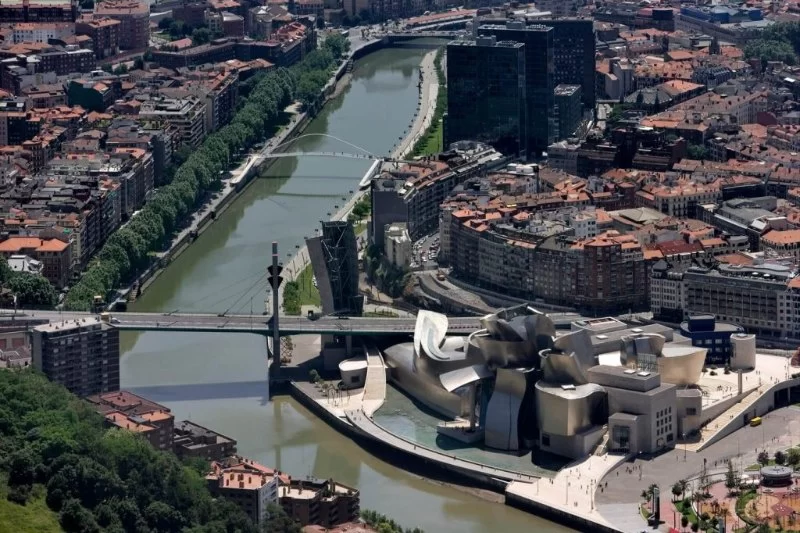
A well-known example occurred in Bilbao, Spain. Before the opening of the Guggenheim Museum in 1997, the city struggled economically after the decline of heavy industry. Once the museum opened, the city experienced a dramatic tourism boom. This phenomenon became so well recognized that economists and planners began referring to it as the “Bilbao Effect.”
Stories like this demonstrate that architecture is not simply about aesthetics—it can reshape the economic future of an entire city.
The Relationship Between Urban Design and Economic Growth
Urban design determines how efficiently a city functions. From transportation systems to the layout of commercial zones, architecture influences how people interact with their environment and how businesses operate within it.
1. Accessibility and Infrastructure
Well-designed architecture integrates transportation networks, pedestrian pathways, and public spaces. When people can easily move between residential areas, offices, and entertainment districts, economic activity increases.
For example:
1. Walkable neighborhoods encourage local shopping.
2. Efficient transit hubs attract commercial investment.
3. Public plazas create social gathering spaces that benefit nearby businesses.
These architectural decisions may appear subtle, but over time they significantly influence economic productivity.
2. Real Estate Value and Urban Attractiveness
Architecture also affects property value. Cities that invest in thoughtful design often experience higher demand for residential and commercial spaces.
Modern office developments, mixed-use buildings, and revitalized historic districts can transform underutilized neighborhoods into thriving economic centers.
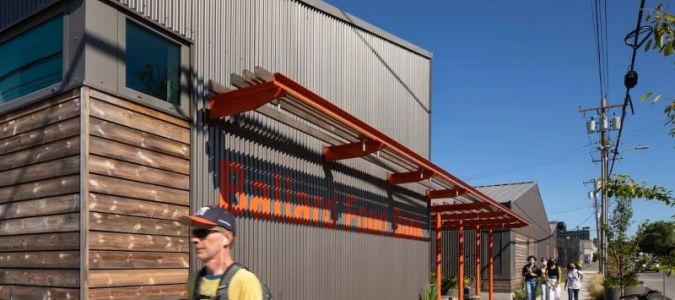
For instance, industrial warehouses in many American cities have been converted into creative office spaces, restaurants, and cultural venues. This process often sparks a wave of economic development that attracts startups, artists, and entrepreneurs.
Iconic Buildings and Tourism Economy
Some architectural projects become global landmarks that define the identity of a city. These iconic structures attract millions of visitors every year and generate substantial revenue through tourism.
1. Architectural Landmarks as Economic Engines
Famous buildings frequently become symbols of the cities where they are located.
Examples include:
1. The Eiffel Tower in Paris.
2. The Sydney Opera House in Australia.
3. The Burj Khalifa in Dubai.
These structures draw tourists, support hospitality industries, and contribute to the global reputation of their cities.
2. Cultural and Creative Economy
Architecture also plays a role in supporting cultural industries. Museums, theaters, galleries, and creative hubs often rely on visually striking design to attract visitors.
When architectural identity aligns with cultural programming, cities can create thriving creative economies.
Many urban development discussions and architectural insights featured through platforms like 10 Jay Street explore how innovative design projects can encourage cultural engagement while supporting local economic growth.
Commercial Districts and Architectural Planning
Successful commercial districts rarely happen by accident. They are usually the result of strategic architectural planning that considers both business needs and community experience.
1. Mixed-Use Developments
Mixed-use buildings combine residential, office, and retail spaces within the same development.
This design approach increases economic activity because people live, work, and shop within the same area.
Typical mixed-use districts include:
1. Ground-floor restaurants and retail shops.
2. Office spaces on middle floors.
3. Residential apartments above.
This layered structure creates continuous activity throughout the day and evening.
2. Revitalization of Historic Districts
Another powerful architectural strategy involves restoring historic neighborhoods rather than demolishing them.
Preserving historic architecture adds character and authenticity that modern developments often lack.
Many American cities have revitalized old industrial areas into vibrant commercial zones filled with restaurants, design studios, and small businesses.
These districts often become magnets for tourism and local entrepreneurship.
Future City Development Through Strategic Architecture
As cities grow and populations increase, architectural planning becomes even more important for sustainable economic development.
1. Smart and Sustainable Buildings
Modern architecture increasingly focuses on sustainability and efficiency.
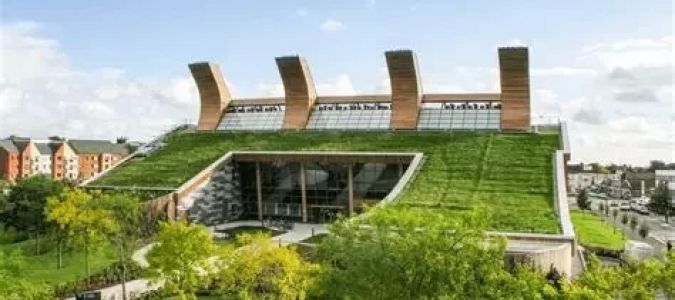
Green buildings reduce energy consumption, lower operating costs, and attract environmentally conscious businesses.
Common features include:
1. Solar energy systems.
2. Energy-efficient materials.
3. Integrated green spaces.
These design strategies help cities remain competitive while addressing environmental challenges.
2. Innovation Districts and Creative Clusters
Many cities are now designing innovation districts where research institutions, startups, and creative companies can collaborate.
Architectural planning plays a central role in these ecosystems by creating environments that encourage interaction and collaboration.
Open office layouts, shared public spaces, and flexible building designs allow professionals from different industries to exchange ideas more easily.
Urban development discussions frequently highlight how thoughtfully designed architectural hubs—like projects showcased through communities such as 10 Jay Street—can encourage entrepreneurship while strengthening the economic fabric of a city.
Ultimately, architecture shapes more than skylines. It influences how people move, interact, and conduct business within a city. When architectural design aligns with economic planning, the results can transform neighborhoods, attract global attention, and create lasting prosperity for urban communities.