

- Why Architecture Matters in Urban Livability
- Key Elements of Livable Urban Architecture
- Successful Architecture Examples from Around the World
- Architecture and Sustainability in Cities
- The Future of Urban Architecture: Creating Better Cities
Why Architecture Matters in Urban Livability
When I think about how a city feels to live in, I realize that the architecture plays a crucial role in shaping that experience. The way a city is designed—its buildings, public spaces, and overall layout—impacts everything from the comfort and safety of its residents to its environmental sustainability. In recent years, I’ve seen an increasing awareness about how architecture can improve urban livability by making cities more accessible, inclusive, and enjoyable for everyone.
Good architecture is about more than just aesthetics; it’s about creating spaces that enhance our quality of life. From pedestrian-friendly streets to green spaces, the choices made in urban design directly affect how we interact with our environment. Architecture can transform a chaotic, uncomfortable city into a livable, harmonious space where people feel connected and supported. It’s an area of design that deserves our attention because it’s not just about buildings; it’s about improving the way we live.
Key Elements of Livable Urban Architecture
Through my travels and research, I’ve identified several key elements that contribute to making a city more livable through architecture. These elements are vital in shaping a functional, enjoyable urban environment:
1. Mixed-Use Developments
In my experience, cities that embrace mixed-use developments tend to be more livable. By combining residential, commercial, and recreational spaces within close proximity, these developments reduce the need for long commutes and create vibrant neighborhoods. I’ve found that areas where people can live, work, and play without needing to travel far are often more sustainable and cohesive.
2. Public Spaces and Green Areas
One of the most impactful elements I’ve encountered in livable cities is the presence of public parks and green spaces. These areas offer a refuge from the urban jungle, providing a space for relaxation, socialization, and recreation. I’ve visited cities that prioritize public spaces—places where people can enjoy nature, exercise, or simply gather—and the positive effect on the quality of life is undeniable.
3. Pedestrian-Friendly Streets
In cities with good urban planning, pedestrian-friendly streets are a common feature. When walking through these streets, I’ve noticed that people feel safer, and the overall pace of life slows down to a more comfortable, human scale. Narrow streets with wide sidewalks, public seating areas, and well-designed crossings make walking a pleasant experience. The focus on pedestrians over cars promotes a healthier lifestyle and fosters a stronger sense of community.
4. Sustainable and Green Building Designs
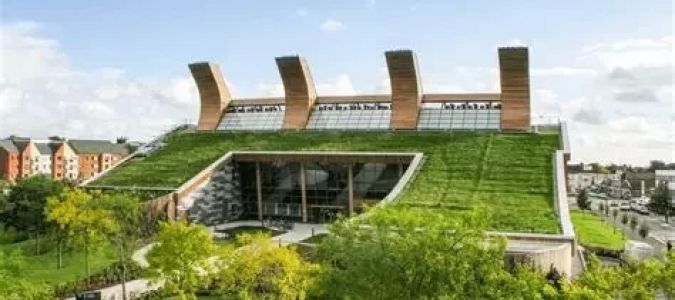
Sustainability is a major concern in modern urban architecture. I’ve seen that cities incorporating green building practices—such as solar panels, energy-efficient lighting, and rainwater harvesting—are more resilient to climate change and have a lower environmental footprint. These features not only make the city more eco-friendly but also reduce costs for residents and businesses, creating a more sustainable, livable urban environment.
Successful Architecture Examples from Around the World
Throughout my travels, I’ve had the opportunity to visit cities that are prime examples of how good architecture can enhance urban livability. These cities have successfully implemented architectural strategies that make them both beautiful and functional:
1. Copenhagen, Denmark
Copenhagen is often regarded as one of the most livable cities in the world, and its architecture plays a major role in that. The city has made a strong commitment to sustainability, with green roofs, solar panels, and wind turbines becoming common sights throughout the urban landscape. I was particularly impressed with the city’s bike infrastructure—wide, safe bike lanes that make cycling a viable transportation option for everyone. The integration of green spaces and pedestrian-friendly streets makes Copenhagen a great example of a livable, well-designed city.
2. Barcelona, Spain
Barcelona’s urban design, particularly the famous “superblocks,” is a great example of how thoughtful architecture can make a city more livable. Superblocks are areas where traffic is restricted, allowing more space for pedestrians and cyclists. I found that these blocks foster a calmer, more pleasant atmosphere, and the abundance of parks, plazas, and public spaces makes Barcelona a vibrant place to live and visit.
3. Vancouver, Canada
Vancouver is known for its commitment to sustainability and livability. The city’s architecture emphasizes green building designs, with many new developments using energy-efficient technologies and sustainable materials. I enjoyed walking through the city’s neighborhoods, which seamlessly blend residential buildings, parks, and retail spaces. Vancouver’s strong focus on nature, with its proximity to the mountains and the ocean, is complemented by its urban design, making it one of the most beautiful and livable cities I’ve visited.
Architecture and Sustainability in Cities
Sustainability is an increasingly important part of urban architecture. In my opinion, cities that prioritize sustainable design are not only making their environments healthier but also improving the quality of life for their residents. Green buildings, energy-efficient infrastructure, and low-impact designs are crucial for creating cities that can withstand the pressures of climate change and population growth.
I’ve seen cities that have made impressive strides in incorporating sustainable architecture into their designs. For example, rainwater harvesting, urban gardens, and energy-efficient lighting systems are just a few of the many strategies that have become common in livable cities. Sustainable urban planning and green architecture are key to reducing the environmental footprint of cities while ensuring that future generations can enjoy the same quality of life.
The Future of Urban Architecture: Creating Better Cities
The future of urban architecture holds exciting possibilities. With advances in technology, new materials, and a greater emphasis on environmental and social sustainability, the cities of tomorrow will be more livable than ever before. I look forward to seeing how architects and urban planners continue to innovate in creating spaces that are not only functional but also promote well-being and connectivity.
In my opinion, the future of urban architecture lies in creating cities that prioritize people over cars, green spaces over concrete, and sustainability over short-term gains. By combining modern technology with traditional values of community and inclusivity, we can create cities that are truly livable, resilient, and enjoyable for all.
If you’re interested in exploring modern architecture, I highly recommend visiting 10 Jay Street for more insights into the latest in urban design and architecture trends.