

How Architecture Can Support the Growing Need for Affordable Housing
As urban populations continue to rise and housing markets become increasingly competitive, one of the most pressing challenges we face today is ensuring that everyone has access to affordable, safe, and comfortable housing. For many, the dream of owning or renting a home feels out of reach, especially in fast-growing cities. This is where architecture comes into play. In this article, I’m going to explore how thoughtful, innovative architectural design can help address the growing need for affordable housing and create sustainable communities for people from all walks of life.
1. Designing for Density: Making the Most of Limited Space
When it comes to creating affordable housing, space is often a luxury. Urban areas with skyrocketing rent prices and limited land availability require creative solutions. Architects have risen to the challenge by designing multi-story buildings that maximize the use of available land. These buildings often feature a combination of small, efficient units that make the most of the space without sacrificing functionality or comfort.
For example, in densely populated areas like New York City, many new affordable housing projects have utilized modular and pre-fabricated designs, which allow for quick and efficient construction. These units are often stacked on top of each other, creating compact living spaces with clever design features like foldable walls, multi-purpose furniture, and communal spaces that allow residents to interact and build a sense of community. This type of architecture not only reduces costs but also ensures that we are making the best use of the limited land we have available.
2. Sustainable Architecture: Building Homes That Last
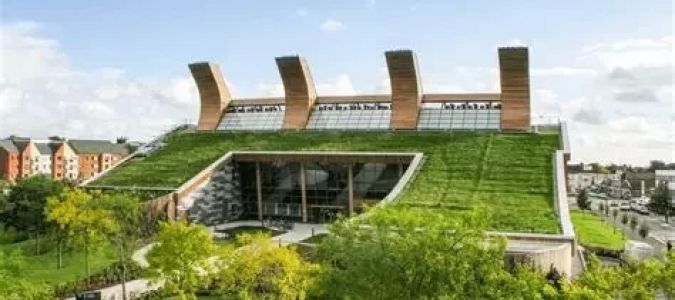
Sustainability is another important factor in designing affordable housing. A building that is poorly constructed or relies heavily on non-renewable resources can become a financial burden in the long run. Sustainable architecture not only helps to reduce costs but also contributes to a healthier environment for residents. Green building techniques, such as energy-efficient designs, renewable energy sources like solar panels, and the use of sustainable materials, are becoming more common in affordable housing projects.
One notable example is the “Passive House” standard, which focuses on creating homes that are energy-efficient by design. Passive houses require minimal heating or cooling, reducing the overall energy consumption and making these homes more affordable to live in over time. Architects can use these energy-efficient designs to reduce utility bills for tenants, making a huge difference in long-term affordability.
3. Adaptive Reuse: Transforming Existing Structures
Another innovative solution to the affordable housing crisis is adaptive reuse. Instead of tearing down old buildings, architects are now looking at ways to repurpose and revitalize existing structures. This practice not only preserves the history and character of neighborhoods but also reduces the environmental impact of construction waste.
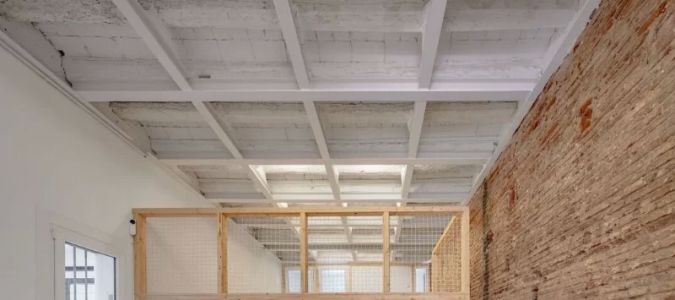
For instance, many former factories, warehouses, and office buildings have been converted into affordable housing units. By maintaining the building’s original structure and retrofitting it with modern amenities, architects can create cost-effective living spaces while maintaining the building's charm and unique features. This process often costs less than starting from scratch, making it an affordable alternative for housing projects in already developed areas.
4. Mixed-Use Developments: Combining Housing with Essential Services
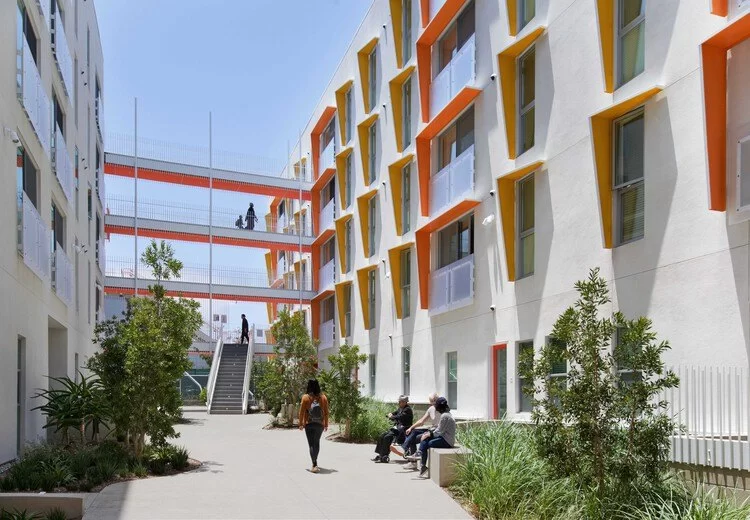
Another way architects are addressing affordable housing is by incorporating mixed-use developments. These projects combine residential spaces with commercial and community areas, such as grocery stores, healthcare facilities, and schools, all within the same development. By integrating these essential services into the housing complex, developers are reducing the cost of living for residents while also making it easier for them to access services close to home.
Mixed-use developments encourage a sense of community and ensure that affordable housing is not just about having a place to live but also about fostering a high quality of life. These developments create vibrant, sustainable neighborhoods where residents can thrive without the added cost and time of commuting to distant locations for everyday needs.
5. Government and Private Sector Collaboration: Working Together to Solve the Crisis
The role of government and private sector partnerships cannot be underestimated when it comes to addressing the affordable housing crisis. Public-private partnerships allow developers and architects to receive financial incentives and tax breaks in exchange for building affordable units. These collaborations can significantly reduce the financial barriers associated with affordable housing construction.
One example of successful collaboration is the Low-Income Housing Tax Credit (LIHTC) program, which has helped fund the construction of thousands of affordable housing units across the country. In addition, governments can offer zoning incentives and relaxed regulations to encourage architects and developers to build affordable housing in areas where it’s most needed. This collaboration between public and private entities is crucial to meeting the demand for affordable homes in urban areas.
6. Innovative Financing Options: Making Affordable Housing More Accessible
Financing plays a key role in affordable housing development. Architects and developers are increasingly using innovative financing strategies to make affordable housing more accessible. For example, crowdfunding has emerged as a way to raise funds for small-scale projects, while low-interest loans and grants help reduce the upfront costs of building affordable housing.
Furthermore, social impact bonds and other creative financing models allow investors to contribute to affordable housing projects with the expectation of a social return rather than a traditional financial return. These financing methods are helping to bridge the funding gap and ensure that architects have the resources they need to design and build affordable homes.