

The Role of Architecture in Building More Resilient Coastal Communities
As the effects of climate change continue to manifest, one of the most pressing concerns for coastal communities is the increasing vulnerability to natural disasters, particularly hurricanes, flooding, and erosion. Architecture plays a pivotal role in mitigating these challenges, offering innovative solutions to create more resilient and sustainable coastal living spaces. In this article, we will explore the role of architecture in building more resilient coastal communities, the challenges they face, and the solutions that are shaping the future of coastal infrastructure.
1. Understanding the Challenges of Coastal Communities
Coastal communities face a unique set of challenges that make them particularly vulnerable to the impacts of climate change. Rising sea levels, extreme weather events, and the degradation of natural barriers like wetlands and dunes put these communities at risk of severe flooding and infrastructure damage. In addition to these environmental threats, the economic and social effects of disasters often exacerbate existing inequalities within these areas.
1.1. Rising Sea Levels and Flooding
Rising sea levels, driven by melting ice caps and thermal expansion of seawater, pose one of the greatest threats to coastal communities. Flooding from storm surges can destroy homes, businesses, and essential infrastructure, displacing thousands of people and causing billions of dollars in damage. To address this, architects are turning to innovative building designs and construction techniques that elevate structures and protect them from flooding.
1.2. Extreme Weather Events
Increased frequency and intensity of storms, including hurricanes and tropical storms, are expected to continue impacting coastal regions. These extreme weather events can lead to devastating damage to homes, roads, and power lines, disrupting daily life and creating long-term recovery challenges. The challenge for architects is to design buildings and structures that can withstand these events while ensuring the safety of residents.
1.3. Erosion and Natural Barrier Loss
Erosion of coastal land, often exacerbated by human activities and climate change, is a growing concern for communities along the shorelines. As natural barriers like dunes, beaches, and wetlands erode, coastal properties become more vulnerable to storm damage and flooding. Architecture must, therefore, incorporate strategies to preserve and restore these natural barriers while also creating structures that can withstand erosion-related threats.
2. Key Architectural Solutions for Coastal Resilience
Architectural innovation is central to improving the resilience of coastal communities. Architects and urban planners are developing new strategies for designing buildings that are better equipped to withstand the challenges posed by climate change, while also minimizing their environmental impact.
2.1. Elevating Structures Above Flood Zones
One of the most common solutions for coastal resilience is elevating buildings above flood-prone areas. This can be achieved through stilts, piers, or raised foundations that allow water to flow underneath the structure without causing damage. Elevated homes and buildings are particularly effective in flood zones, as they keep the living space safe from rising water while still maintaining access to essential utilities and infrastructure.
2.2. Flood-Resistant Materials and Techniques
In addition to elevating buildings, the use of flood-resistant materials is critical for ensuring long-term durability in coastal environments. Architects are increasingly turning to materials that can withstand moisture, saltwater, and high winds. Concrete, stainless steel, and marine-grade wood are examples of materials that are often used in coastal construction. Additionally, flood-proof windows, reinforced doors, and waterproof barriers can be incorporated to minimize damage during storms and high water events.
2.3. Green Infrastructure and Natural Barriers
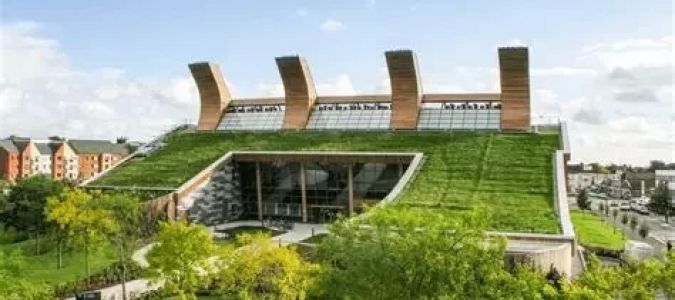
Beyond building design, architecture is also focusing on integrating green infrastructure to help mitigate the effects of climate change. This includes the restoration of natural barriers like dunes, wetlands, and mangroves that can help absorb storm surges and reduce erosion. Furthermore, green roofs, permeable paving, and rain gardens are being utilized to manage stormwater runoff and reduce flooding in coastal communities.
2.4. Sustainable and Energy-Efficient Design
As coastal communities look to the future, sustainability is becoming an increasingly important factor in architectural design. Building energy-efficient homes and structures not only helps to reduce carbon emissions but also ensures that buildings are equipped to handle the stresses of extreme weather. Solar panels, passive heating and cooling techniques, and energy-efficient appliances are just a few examples of how architects are creating more sustainable coastal buildings.
3. Case Studies of Resilient Coastal Communities
Several coastal communities have already implemented resilient architectural solutions to protect against the challenges posed by climate change. These case studies offer valuable insights into how architecture can play a key role in safeguarding coastal areas from future threats.
3.1. Miami’s Climate-Resilient Buildings
In Miami, architects are designing buildings that can withstand hurricanes and flooding while maintaining aesthetic appeal. The city has incorporated innovative building codes that require structures to be built with elevated foundations and storm-resistant materials. Many buildings also feature green roofs and energy-efficient systems that help reduce their environmental impact. Miami’s commitment to resilient architecture sets an example for other coastal cities around the world.
3.2. The Netherlands’ Flood Protection Systems
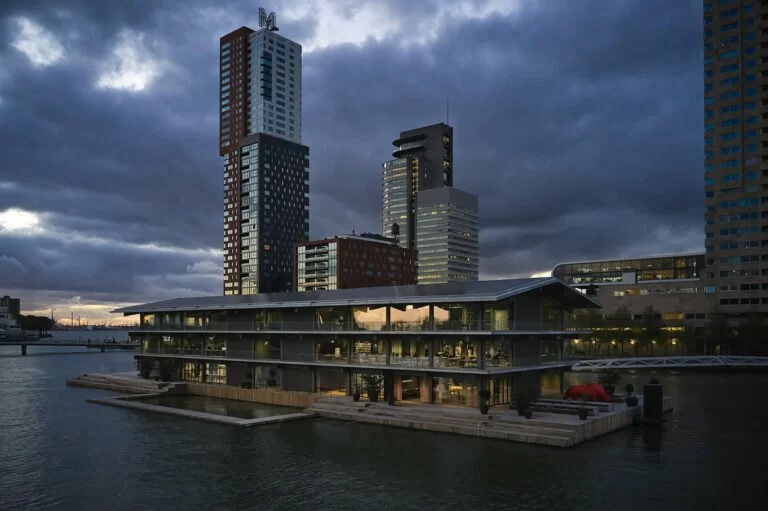
The Netherlands is a leader in flood protection and coastal resilience, with its advanced infrastructure designed to keep floodwaters at bay. The country has implemented a combination of levees, dikes, and innovative architectural solutions to protect against rising sea levels. One of the most notable examples is the city of Rotterdam, where buildings are designed with waterproof foundations, and flood-resistant materials are used in construction.
3.3. The Barrier Islands’ Restoration Projects
In the United States, coastal communities on barrier islands have implemented restoration projects to rebuild natural barriers that protect against storm surges and erosion. These restoration efforts have involved the planting of grasses and shrubs, the creation of sand dunes, and the restoration of marshland areas. Architects and urban planners have worked together to design homes and buildings that blend seamlessly with these restored natural barriers, offering a dual approach to resilience that preserves the environment while protecting residents.
4. The Future of Coastal Architecture
As the impacts of climate change continue to be felt, the role of architecture in building more resilient coastal communities will only grow in importance. Architects, urban planners, and governments must continue to collaborate and innovate in order to create spaces that are both functional and sustainable. With a focus on green infrastructure, sustainable building practices, and disaster-resilient designs, the future of coastal architecture holds great promise for protecting communities against the rising tide of climate change.