

How Architecture is Evolving to Support Remote Work
The landscape of work has drastically changed over the past few years. With more companies embracing flexible working arrangements, remote work has become a standard part of many people's lives. As a result, the role of architecture is evolving to meet the needs of this new way of working. In this article, we explore how architecture is adapting to support remote work and how these changes are reshaping homes, offices, and even the way cities are designed.
1. The Rise of Home Offices: Reimagining Personal Space
With remote work becoming more mainstream, the need for functional and efficient home offices has skyrocketed. No longer just a desk in the corner, home offices are now central to the design of modern homes. Many people are investing in dedicated office spaces that are designed to increase productivity and comfort. Let’s explore some key design considerations for home offices:
1.1 Creating a Productive Environment
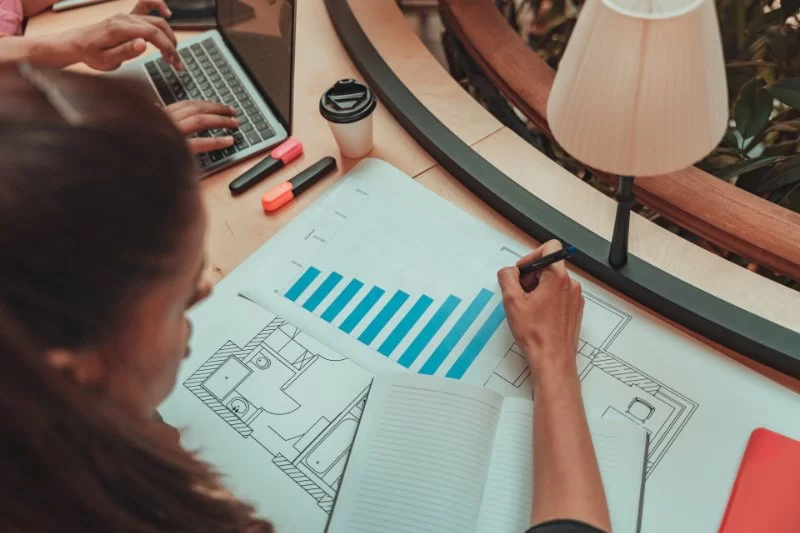
Architects and interior designers are helping homeowners create dedicated spaces that are optimized for work. These home offices often feature ergonomic furniture, ample lighting, and soundproofing to ensure a quiet, focused environment. Design elements like minimalist decor and calming colors also play a role in reducing stress and enhancing focus.
1.2 Multi-Functional Spaces
Another trend is the creation of multi-functional spaces. Many homeowners are incorporating their home offices into rooms that serve multiple purposes. For example, a guest bedroom can double as a home office, with clever design elements like fold-out desks and retractable shelving that allow the space to be easily transformed.
2. The Role of Commercial Architecture in the Remote Work Era
While many people are working from home, some businesses are rethinking their office spaces entirely. Traditional office buildings are being reimagined to accommodate hybrid working models, where employees alternate between working from home and coming into the office. Let’s dive into some ways that commercial architecture is evolving to support this shift:
2.1 Flexible Office Spaces
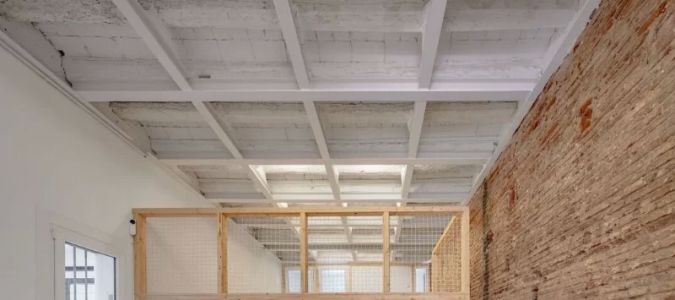
One of the major trends in commercial architecture is the rise of flexible office spaces. Co-working spaces, which allow companies to rent office space as needed, have been growing in popularity. These spaces are designed to foster collaboration and creativity while providing the flexibility to scale up or down as necessary. The architecture of these spaces focuses on open layouts, communal areas, and the ability to quickly adapt the environment to meet different needs.
2.2 Health and Wellness
With a growing focus on employee well-being, architecture is also being used to create healthier work environments. Offices are incorporating more natural light, indoor plants, and ventilation systems to improve air quality. Additionally, architects are designing spaces with comfortable, ergonomic seating and standing desks to support physical health, especially for employees who spend long hours at their desks.
3. Urban Design and the Future of Work
The impact of remote work goes beyond individual homes and offices. It is also shaping the design of cities and urban spaces. As people work remotely, there is a shift in where people choose to live. Instead of clustering in urban centers, many people are relocating to suburban or rural areas, and this is influencing the design of new communities.
3.1 Decentralized Work Hubs
In response to the rise of remote work, cities are starting to embrace decentralized work hubs. These hubs provide co-working spaces and resources to people who live outside traditional urban centers. Rather than commuting to the office, employees can simply drive to a nearby hub where they can work alongside other professionals. These hubs are designed to be accessible, comfortable, and connected to the local community.
3.2 Mixed-Use Developments
Another architectural trend is the rise of mixed-use developments. These urban spaces combine residential, commercial, and recreational areas, allowing people to live, work, and play in the same community. By creating spaces that cater to remote workers, cities can promote a more sustainable and efficient way of living, where people don’t have to commute long distances to get to work.
4. Sustainable Design in Remote Work Architecture
As remote work continues to grow, sustainability is becoming a key focus in architectural design. From energy-efficient buildings to eco-friendly home offices, sustainable practices are being incorporated into every aspect of the design process. Here’s how architects are embracing sustainability in the age of remote work:
4.1 Energy-Efficient Homes
Incorporating solar panels, energy-efficient appliances, and high-performance insulation is becoming the norm in modern homes. These features not only reduce the carbon footprint but also help homeowners save on utility bills. As more people work from home, these sustainable elements are becoming essential to creating long-term, energy-efficient living spaces.
4.2 Green Office Buildings
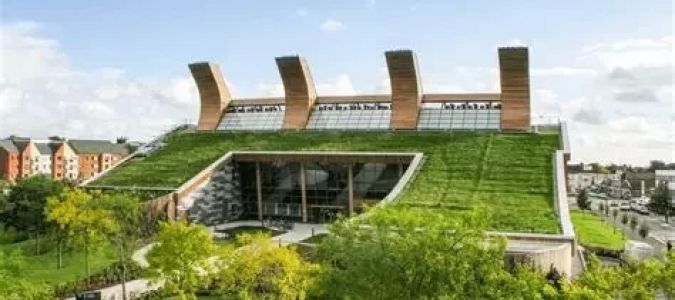
On the commercial side, office buildings are also embracing sustainable design. LEED-certified buildings, which meet high environmental standards, are becoming more common. These buildings incorporate features like green roofs, energy-efficient HVAC systems, and sustainable building materials to reduce their environmental impact. As businesses embrace hybrid work models, these green buildings are becoming a central part of the future of work.
5. Conclusion: The Future of Architecture in the Remote Work Era
Architecture is evolving in exciting ways to support the growing trend of remote work. Whether it’s creating functional home offices, reimagining commercial spaces, or designing sustainable urban environments, architects are playing a key role in shaping the future of work. As remote work continues to be an integral part of many people’s lives, the way we design our homes, offices, and cities will continue to adapt to meet new needs.
If you’re interested in learning more about how architectural design is shaping the future of remote work, be sure to visit 10 Jay Street for innovative design ideas and solutions tailored to modern working environments.