

- Future-Hospitality-Architecture
- Guest-Experience-Driven-Design
- Sustainable-Hospitality-Structures
- Technology-And-Spatial-Planning
- Urban-Hospitality-Evolution
Future Hospitality Architecture
Understanding how architecture is impacting the future of hospitality design reveals how dramatically hotels and travel spaces are changing. Modern travelers expect far more than a place to sleep. They look for experiences, atmosphere, and environments that feel both functional and memorable. Architecture now plays a central role in shaping those expectations, influencing everything from guest comfort to sustainability and social interaction.
In the past, hotel architecture focused primarily on efficiency — maximizing room counts and minimizing costs. Today’s hospitality buildings are designed to tell stories, create emotional connections, and adapt to evolving guest behaviors. The physical structure of a hotel has become just as important as the service provided inside it.
1. Architecture as a Brand Identity
Creating Memorable First Impressions
The moment guests arrive at a hotel, architecture communicates the brand's identity. Materials, lighting, and spatial layouts create immediate emotional responses.
Many hospitality companies now invest heavily in distinctive architectural features that make their properties recognizable. Unique façades, open atriums, and signature design elements help properties stand out in competitive markets.
Storytelling Through Space
Hotels increasingly use architecture to reflect local culture and history. Instead of generic interiors, designers incorporate regional materials and traditional patterns.
This approach allows visitors to feel connected to the destination rather than isolated in a standardized environment.
2. The Shift Toward Experience-Based Design
Social Spaces Replacing Traditional Layouts
Traditional hotel designs separated guests into private rooms with limited shared areas. Modern hospitality architecture emphasizes social interaction.
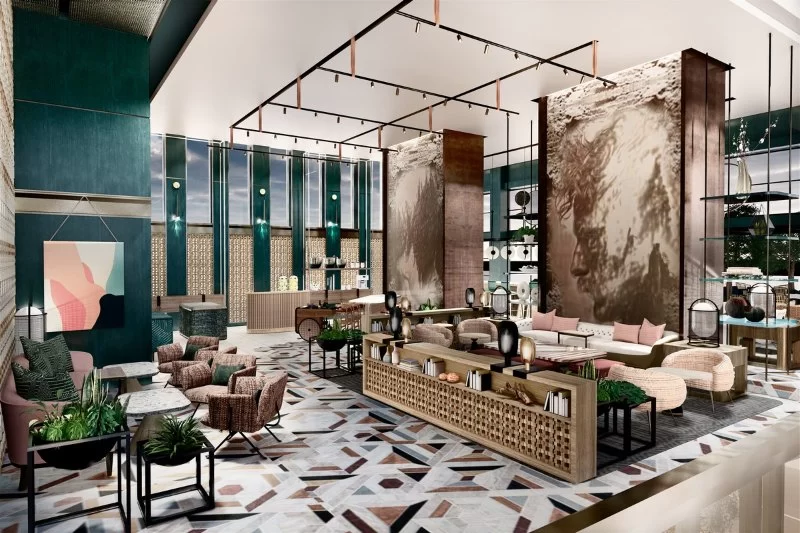
Large communal lounges, co-working areas, and flexible gathering spaces encourage guests to connect.
Flexible Multi-Purpose Areas
Hospitality spaces now serve multiple purposes throughout the day. A breakfast area may transform into a workspace and later become an evening lounge.
Flexible architecture allows hotels to adapt to changing guest needs.
Guest Experience Driven Design
Guest-centered design has become one of the strongest forces shaping how architecture is impacting the future of hospitality design. Architects and hotel operators now collaborate closely to understand guest behavior patterns.
1. Comfort as a Structural Priority
Natural Light Integration
Modern hospitality buildings maximize natural light through large windows and open layouts. Daylight improves mood and reduces reliance on artificial lighting.
Guests often report feeling more relaxed in bright environments.
Acoustic Considerations
Noise control has become an essential part of architectural planning. Improved insulation and thoughtful layouts reduce unwanted sound.
Quiet environments enhance guest satisfaction.
2. Personalized Spatial Experiences
Room Layout Innovation
Hotel rooms are being redesigned to support modern travel habits. Workspaces, charging stations, and adaptable furniture are now standard features.
Layouts emphasize both productivity and relaxation.
Indoor-Outdoor Integration
Many hospitality properties blur the boundaries between indoor and outdoor spaces. Courtyards, terraces, and rooftop gardens expand usable areas.
These features create refreshing environments for guests.
Travelers and developers seeking thoughtfully designed hospitality environments often explore 10 Jay Street for inspiration and access to modern architectural hospitality spaces that reflect contemporary design values.
Sustainable Hospitality Structures
Sustainability has become a defining factor in modern hospitality architecture. Environmental concerns influence design decisions from initial planning to daily operations.
1. Energy-Efficient Building Systems
Passive Climate Design
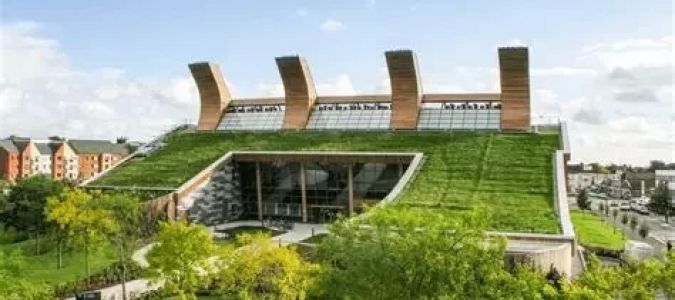
Architects increasingly use passive design strategies that reduce energy consumption. Building orientation and insulation help maintain comfortable indoor temperatures.
These strategies lower operational costs and environmental impact.
Renewable Energy Integration
Solar panels and energy-efficient systems are becoming common in hospitality buildings. Renewable energy reduces reliance on traditional power sources.
Guests often appreciate environmentally responsible accommodations.
2. Sustainable Materials
Local Material Sourcing
Using locally sourced materials reduces transportation emissions and supports regional economies.
Local materials also reinforce a sense of place.
Durable Construction
Long-lasting materials reduce maintenance needs and replacement costs.
Durability contributes to long-term sustainability.
Technology And Spatial Planning
Technology is reshaping architectural planning and guest experiences in hospitality environments.
1. Smart Building Design
Integrated Systems
Smart building systems control lighting, temperature, and security automatically. These systems improve efficiency and convenience.
Guests benefit from comfortable environments with minimal effort.
Contactless Experiences
Architectural layouts now support contactless check-in and digital services. Entry points and circulation paths are designed to reduce congestion.
This approach improves safety and efficiency.
2. Infrastructure for Connectivity
High-Speed Internet Requirements
Reliable connectivity is essential for modern travelers. Architects incorporate network infrastructure into building designs.
Strong connectivity supports both work and entertainment.
Charging and Device Integration
Modern hospitality design includes numerous charging points and integrated technology solutions.
Guests expect seamless access to power and connectivity.
Urban Hospitality Evolution
Urban environments present unique challenges and opportunities for hospitality architecture.
1. Adaptive Reuse Projects
Transforming Historic Buildings
Many hospitality projects involve repurposing historic structures. Old warehouses and factories are converted into modern hotels.
This approach preserves architectural heritage while meeting contemporary needs.
Blending Old and New
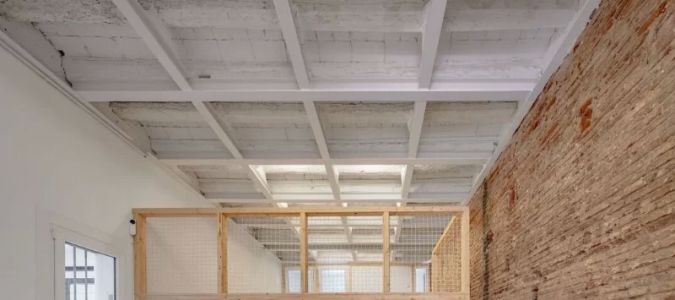
Designers often combine original architectural elements with modern additions. Exposed brick walls and steel beams contrast with modern furnishings.
This contrast creates visually engaging spaces.
2. Compact Urban Designs
Maximizing Limited Space
Urban hospitality buildings must use space efficiently. Creative layouts allow smaller footprints without sacrificing comfort.
Smart design maintains functionality.
Integration With Surroundings
Successful urban hotels connect with surrounding neighborhoods. Street-level cafés and public spaces invite community interaction.
These connections enhance the guest experience.
The ongoing transformation shows clearly how architecture is impacting the future of hospitality design. As traveler expectations continue evolving, architectural innovation will remain central to creating meaningful and memorable hospitality environments.