

1. The Rise of Sustainable Architecture
As urbanization continues to accelerate, one of the most significant challenges cities face is how to grow and evolve in a way that is both environmentally and economically sustainable. Sustainable architecture has emerged as a critical solution to this challenge. Over the past few decades, the integration of green building practices into urban design has transformed the way we think about city development. I’ve always been fascinated by how sustainable architecture isn’t just about making buildings energy-efficient, but how it can shape entire urban ecosystems for the better.
2. What is Sustainable Architecture?
Sustainable architecture refers to the design and construction of buildings that minimize environmental impact and reduce energy consumption. These buildings incorporate eco-friendly materials, utilize renewable energy sources, and are built with the future of the environment in mind. Sustainable architecture goes beyond aesthetics; it’s about creating structures that promote long-term sustainability for both the environment and the communities that live in them.
2.1 Green Building Practices
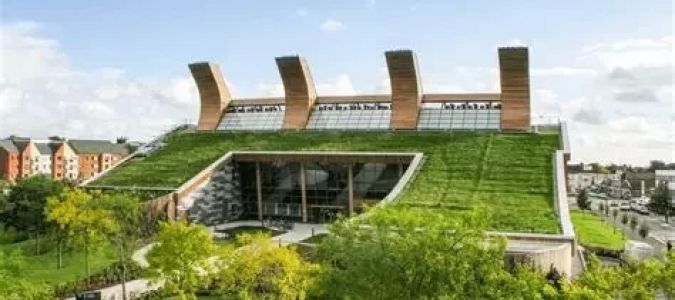
One of the key elements of sustainable architecture is green building practices. This involves using materials that are renewable, energy-efficient, and have a minimal environmental footprint. I’ve come across numerous examples where cities have integrated green roofs, rainwater harvesting systems, and energy-efficient appliances into their building codes. These features not only reduce energy consumption but also contribute to reducing the urban heat island effect, which is a significant concern in large cities.
2.2 The Role of Renewable Energy
Another crucial aspect of sustainable architecture is the use of renewable energy sources like solar and wind power. As someone deeply invested in how we can transition to more sustainable energy solutions, I’m always excited to see how buildings today are increasingly equipped with solar panels, wind turbines, and even geothermal systems. These innovations allow buildings to generate their own energy, reducing dependence on fossil fuels and lowering the overall carbon footprint of cities.
3. How Sustainable Architecture is Shaping Urban Landscapes
Sustainable architecture is more than just an environmentally friendly approach to building—it’s fundamentally changing the way we view cities and urban development. The integration of sustainability into city planning is helping to address some of the biggest challenges facing modern urban areas. Let’s dive into how sustainable architecture is not only reshaping the buildings themselves but is also transforming entire urban environments.
3.1 Energy-Efficient Cities
One of the most direct impacts of sustainable architecture is the development of energy-efficient cities. Buildings are no longer seen as isolated entities but as part of a larger network that includes infrastructure, transportation, and even public spaces. Sustainable buildings are designed to reduce energy consumption, both by making efficient use of natural resources like sunlight and wind and by incorporating advanced technologies like smart meters and energy-efficient heating and cooling systems. These buildings, when scaled up across a city, can significantly reduce the overall energy demand, leading to lower emissions and a smaller carbon footprint.
3.2 Improved Public Health
Another crucial benefit of sustainable architecture is its potential to improve public health. Many modern cities are plagued by air pollution, lack of green spaces, and poor quality of life for their inhabitants. Sustainable architecture, however, focuses on creating spaces that promote well-being. This includes everything from increased access to natural light to the inclusion of green spaces like parks and gardens. Research has shown that green spaces can reduce stress, improve air quality, and even lower crime rates. By incorporating these elements into urban planning, cities are becoming healthier and more livable for their residents.
3.3 Building Smart Cities
As we move toward the future, the concept of “smart cities” is becoming a reality. Sustainable architecture plays a key role in this transformation. Smart cities use technology to improve the quality of life for residents, optimize urban operations, and increase sustainability. Buildings equipped with sensors and connected to a broader network of smart infrastructure can automatically adjust heating, lighting, and energy usage to optimize efficiency. Cities like Amsterdam and Singapore are leading the charge in integrating technology with sustainable architecture to create urban environments that are more adaptive, responsive, and energy-efficient.
4. Real-World Examples of Sustainable Architecture
The impact of sustainable architecture is already being felt across the globe, with several cities embracing green building practices in their design and development. Let’s take a look at some of the real-world examples of how sustainable architecture is shaping the future of cities.
4.1 The Edge in Amsterdam
The Edge in Amsterdam is often referred to as the world’s most sustainable office building. This building uses a combination of smart technology, renewable energy sources, and sustainable materials to reduce its environmental footprint. It has been designed to produce more energy than it consumes, making it an ideal example of how sustainable architecture can revolutionize urban design. The building uses solar panels, a green roof, and rainwater harvesting systems, as well as advanced energy management systems to optimize energy usage. The Edge is an excellent model of how offices and commercial buildings can become part of the solution to environmental challenges.
4.2 Bosco Verticale in Milan
Another standout example of sustainable architecture is Bosco Verticale, or the Vertical Forest, in Milan, Italy. This residential building is home to over 9,000 plants, 5,000 shrubs, and 13,000 trees. The building was designed to improve air quality in the city by absorbing CO2, producing oxygen, and reducing the urban heat island effect. Bosco Verticale is not just a beautiful and innovative piece of architecture; it is a living, breathing ecosystem that contributes to the overall sustainability of Milan. It’s a shining example of how incorporating nature into urban design can have profound benefits for both the environment and the people living there.
5. The Future of Sustainable Cities
The future of cities is undoubtedly intertwined with the principles of sustainable architecture. As climate change continues to be a pressing concern, cities are increasingly recognizing the need for innovative design solutions that prioritize sustainability. I truly believe that sustainable architecture will play a central role in how we build and inhabit cities in the future. Whether it’s through energy-efficient buildings, green infrastructure, or the development of smart cities, sustainable architecture is paving the way for a more sustainable urban future.
5.1 Urban Planning and Design Innovations
Looking ahead, urban planners and architects will continue to innovate to create cities that are resilient, energy-efficient, and sustainable. There’s a growing interest in incorporating circular economy principles into urban design, where resources are reused and waste is minimized. Additionally, new technologies such as 3D printing and modular construction are making it easier to build sustainable structures in a cost-effective way. These innovations will continue to shape the cities of tomorrow, making them more adaptive, resource-efficient, and connected.
As we continue to embrace the future of sustainable architecture, it’s clear that these innovations will not only benefit the environment but also enhance the quality of life for urban residents. By focusing on sustainable design, cities can evolve into more livable, healthier, and more eco-friendly spaces.
If you’re looking to explore more about sustainable urban spaces or want to find the best properties designed with sustainability in mind, check out 10 Jay Street for eco-friendly options that align with the future of cities.