

- why-combining-traditional-and-modern-architecture-matters
- understanding-the-character-of-traditional-architecture
- what-modern-architecture-brings-to-the-design
- practical-ways-to-blend-traditional-and-modern-styles
- real-world-example-of-successful-architectural-blending
- design-mistakes-to-avoid-when-mixing-styles
- creating-balanced-spaces-that-feel-timeless
Why Combining Traditional and Modern Architecture Matters
Architecture has always reflected the culture and values of its time. When I first began paying attention to building design, I noticed something fascinating: many of the most memorable buildings were not purely traditional or purely modern. Instead, they successfully combined elements from both worlds.
Understanding how to blend traditional and modern styles in architecture is becoming increasingly important today. Cities are evolving, lifestyles are changing, and homeowners want spaces that feel both timeless and functional. By combining historic character with contemporary innovation, architects can create buildings that feel rooted in history while still supporting modern living.
1. The Emotional Connection to Traditional Design
Traditional architecture often carries a sense of familiarity and heritage. Classic materials such as brick, stone, and wood create warmth and visual depth.
Historical Identity
Traditional buildings often reflect local culture and craftsmanship.
Architectural Detail
Elements such as decorative moldings, arches, and symmetry add character.
2. The Practical Advantages of Modern Design
Modern architecture introduces efficiency, flexibility, and simplicity.
Open Interior Layouts
Contemporary designs often prioritize open living spaces.
Energy Efficiency
Modern construction methods incorporate sustainable materials and smart systems.
Understanding the Character of Traditional Architecture
Before attempting to blend styles, it is important to understand what makes traditional architecture distinct.
1. Classic Structural Proportions
Traditional homes often follow symmetrical layouts.
Balanced Facades
Doors and windows are typically aligned in structured patterns.
Rooflines and Gables
Steep roofs and decorative gables are common in classic home designs.
2. Natural and Durable Materials
Many traditional homes rely on materials that age beautifully.
Stone and Brick
These materials provide durability and historical charm.
Wood Detailing
Handcrafted trim and paneling contribute to visual warmth.
What Modern Architecture Brings to the Design
Modern architecture focuses on simplicity, functionality, and minimalism.
1. Clean Geometric Forms
Simple Lines
Modern structures often emphasize straight lines and uncluttered surfaces.
Minimal Ornamentation
Instead of decorative elements, the structure itself becomes the visual focus.
2. Innovative Materials and Technology
Glass and Steel
Large glass panels and metal structures allow for brighter interiors and structural flexibility.
Smart Home Integration
Modern architecture often incorporates technology that improves comfort and efficiency.
Practical Ways to Blend Traditional and Modern Styles
Successfully blending architectural styles requires thoughtful design decisions rather than simply mixing unrelated elements.
1. Combining Classic Exteriors with Modern Interiors
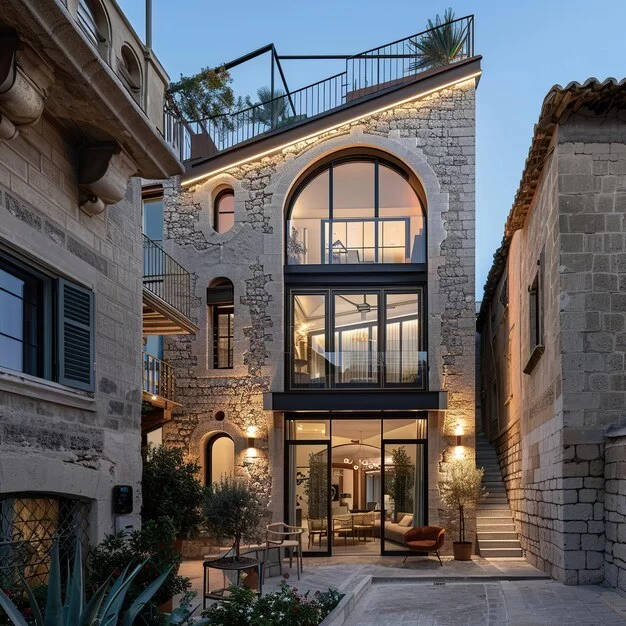
One of the most common strategies is maintaining a traditional exterior appearance while designing contemporary interior spaces.
Historic Facade Preservation
Many older buildings keep their exterior character.
Open Concept Interiors
Inside, architects introduce modern layouts and materials.
2. Using Traditional Materials in Modern Forms
Traditional materials can be reinterpreted in contemporary designs.
Stone with Minimalist Shapes
Natural stone walls combined with simple geometric forms create striking contrasts.
Wood Panels with Modern Windows
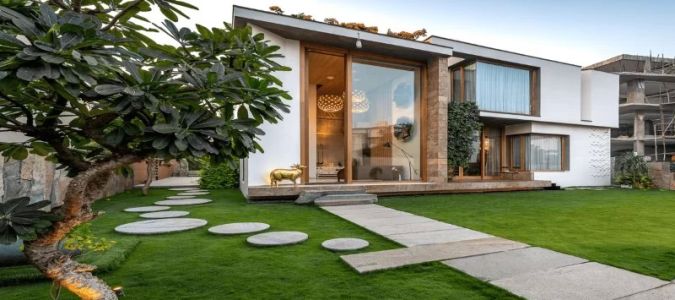
Warm wooden textures paired with large glass panels balance tradition and modernity.
3. Transitional Architectural Design
Some architects intentionally create transitional styles that blend both approaches.
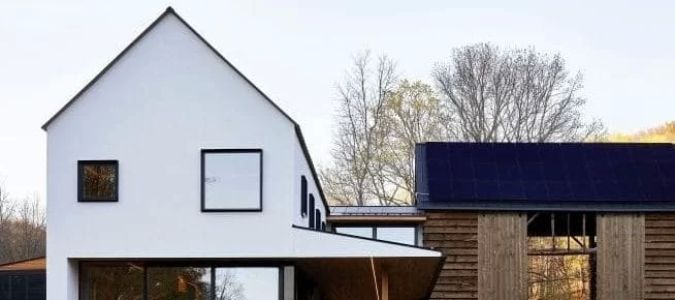
Buildings designed with this philosophy often feature classic proportions with modern details.
Design studios and creative development spaces such as 10 Jay Street often explore innovative architectural approaches that merge historical context with modern functionality.
Real World Example of Successful Architectural Blending
A well-known example often discussed in architectural circles involves the renovation of historic industrial buildings in major cities.
1. The Transformation of Old Warehouses
Industrial Heritage
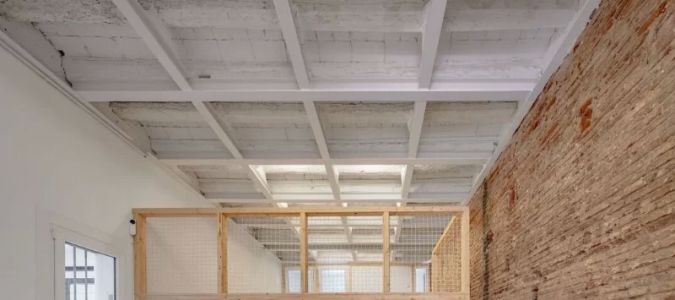
Many warehouses built in the early 20th century featured brick walls and heavy timber beams.
Modern Adaptive Reuse
Architects transformed these spaces into modern offices, lofts, and creative studios.
2. Preserving History While Creating New Function
Rather than demolishing the structures, designers integrated contemporary glass elements, modern lighting systems, and flexible interior layouts.
The result was architecture that respected the past while supporting modern lifestyles.
Design Mistakes to Avoid When Mixing Styles
While blending architectural styles can create beautiful spaces, it can also lead to visual confusion if not handled carefully.
1. Overloading Too Many Elements
Conflicting Materials
Combining too many textures can make a building feel chaotic.
Unbalanced Proportions
Mixing traditional details with incompatible modern structures can disrupt harmony.
2. Ignoring Context
Architecture should respect its surrounding environment.
Neighborhood Character
A building should complement nearby structures rather than clash with them.
Climate and Landscape
Design choices should consider local weather conditions and natural surroundings.
Creating Balanced Spaces That Feel Timeless
When traditional craftsmanship and modern design principles come together successfully, the result often feels timeless.
1. Respecting the Past While Designing for the Future
Preserving Cultural Identity
Architectural heritage helps maintain the character of communities.
Adapting to Modern Living
Modern design ensures buildings remain practical for today’s lifestyles.
2. The Future of Architectural Blending
As cities continue evolving, the most successful projects will likely be those that thoughtfully combine traditional aesthetics with modern innovation.
Understanding how to blend traditional and modern styles in architecture allows designers to create spaces that are both beautiful and functional. By balancing historical character with contemporary creativity, architects can shape buildings that connect the past, present, and future in meaningful ways.