

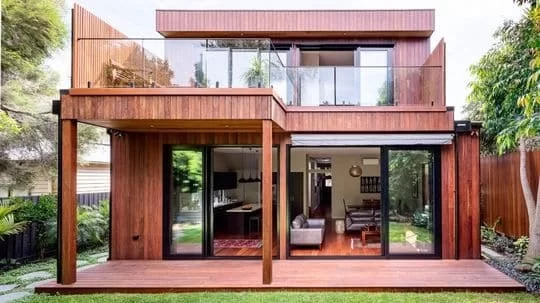
1 - The Importance of Building a Sustainable Home
As a growing number of homeowners and builders alike are becoming more environmentally conscious, the desire to create homes that reduce our carbon footprint has never been more important. Building a sustainable home not only benefits the planet but also reduces energy costs and creates a healthier living space. Personally, I believe that making conscious decisions during the construction of a home can lead to a significant long-term positive impact on the environment and your wallet.
The term "carbon footprint" refers to the amount of carbon dioxide (CO2) emitted as a result of human activities, particularly in terms of energy usage. For homes, this includes heating, cooling, lighting, and even the materials used in construction. A home that reduces its carbon footprint minimizes its environmental impact by using energy more efficiently, incorporating sustainable materials, and utilizing renewable energy sources.
2 - Energy Efficiency: The Foundation of a Sustainable Home
Energy efficiency is at the heart of any eco-friendly home. The more energy-efficient your home is, the less energy you'll need to use to keep it comfortable, which directly reduces your carbon footprint. There are various ways to ensure your home is energy efficient, and many of these solutions can be implemented during construction or renovation.
2.1 - Insulation and Sealing
One of the first steps to creating an energy-efficient home is ensuring that the building is properly insulated. Good insulation keeps heat inside during the winter and outside during the summer, which means your heating and cooling systems won't have to work as hard. Proper sealing of windows and doors is also essential to prevent air leaks that can waste energy.
During my own home renovation, we added spray foam insulation to the walls and attic, which made a noticeable difference in the temperature regulation throughout the year. The initial investment paid off in a few seasons as we saw a significant reduction in our energy bills.
2.2 - Energy-Efficient Windows and Doors
Installing energy-efficient windows and doors is another key factor. These windows are designed to prevent heat loss in the winter and keep your home cool in the summer. Double or triple-glazed windows are particularly effective in improving a home's energy efficiency. Moreover, using high-quality weatherstripping and caulking around doors and windows ensures that no air leaks are present, further optimizing your home’s thermal performance.
2.3 - Smart Thermostats and Lighting
Modern technology has made it easier than ever to control your home's energy usage. Smart thermostats allow you to regulate your heating and cooling systems with precision, adjusting temperatures based on when you’re home and when you’re away. This can significantly reduce energy consumption.
Switching to energy-efficient LED lighting and using motion-sensing lights can further cut down on electricity use. We made these changes in our home and immediately noticed a reduction in our overall energy consumption.
3 - Sustainable Building Materials
Another important aspect of building a home that reduces its carbon footprint is choosing sustainable building materials. The materials you select not only impact the environment but also the overall energy efficiency of the home.
3.1 - Recycled and Renewable Materials
Opting for recycled materials, such as reclaimed wood, recycled steel, and glass, can reduce the environmental impact of construction. Additionally, using renewable materials like bamboo, cork, or hemp can help create a sustainable structure. These materials are often more durable and long-lasting, which means they need to be replaced less frequently, reducing waste.
3.2 - Low-Impact Concrete and Insulated Concrete Forms (ICFs)
Traditional concrete has a high carbon footprint due to the energy required to produce it. However, low-impact concrete options, such as fly ash concrete, reduce the amount of carbon emitted during production. Insulated concrete forms (ICFs) are another great option, as they combine insulation and concrete into one material, making the building process more energy-efficient while also providing superior thermal performance.
3.3 - Non-Toxic Paints and Finishes
When it comes to interiors, choosing non-toxic paints, stains, and finishes is essential for both your health and the environment. Many conventional paints contain volatile organic compounds (VOCs), which can pollute indoor air quality and contribute to global warming. Using VOC-free paints and finishes reduces these harmful effects, making your home healthier for its inhabitants.
4 - Renewable Energy Solutions for Homes
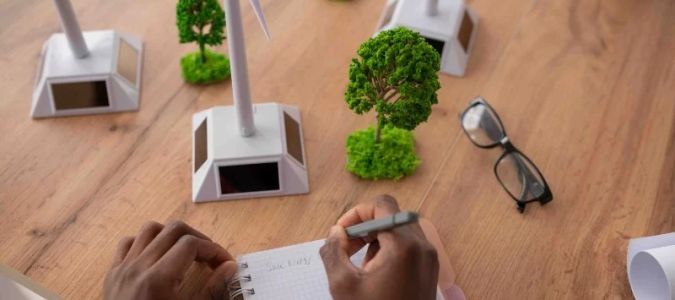
Incorporating renewable energy sources into your home can drastically reduce your carbon footprint. Solar panels, wind turbines, and geothermal systems are all fantastic options to consider when building an eco-friendly home. The goal is to rely less on fossil fuels and more on clean, renewable energy sources.
4.1 - Solar Panels
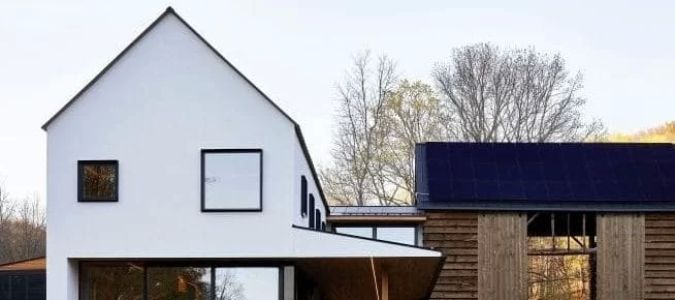
Solar panels have become increasingly popular in recent years as the technology has improved, and the costs have become more affordable. Installing solar panels on the roof of your home allows you to generate your own electricity, reducing your dependence on the grid and lowering your energy bills.
In our home, we decided to install solar panels, and it has been a game-changer. Not only have we reduced our energy consumption, but we’re also contributing to a cleaner environment. The initial cost was significant, but thanks to tax incentives and the long-term savings on our energy bills, it was a worthwhile investment.
4.2 - Geothermal Heating and Cooling
Geothermal systems utilize the earth's natural temperature to heat and cool your home. By using underground pipes, these systems tap into the constant temperature of the earth, making them highly energy-efficient and environmentally friendly. While geothermal systems have a higher upfront cost, they can save homeowners money on heating and cooling over time and significantly reduce carbon emissions.
4.3 - Wind Power
If you live in an area with consistent wind, installing a small wind turbine can provide a reliable source of renewable energy for your home. While wind power is more common in rural areas, it’s worth considering if you have the right conditions for it.
5 - Case Study: How We Built Our Sustainable Home
When we decided to build our home, we were committed to reducing our environmental impact. From the beginning, we prioritized energy efficiency, sustainable materials, and renewable energy. We worked with architects and builders who specialized in green construction to ensure that our home was built with the latest eco-friendly technologies and materials.
One of the best decisions we made was to incorporate a rainwater harvesting system, which collects and stores rainwater for use in our garden. We also installed energy-efficient windows and doors, as well as a smart thermostat to optimize our energy use. Our solar panels have allowed us to generate most of the electricity we need, making our home largely self-sufficient in terms of energy.
The results have been incredible. Not only have we reduced our carbon footprint, but our energy bills are significantly lower, and we feel proud knowing that we are living in a home that is helping to protect the environment.
If you are looking for professional guidance or products to help you build a home that reduces your carbon footprint, I recommend visiting 10 Jay Street. They offer a range of eco-friendly products and services that can help you create a sustainable living space.