

- 1 - Understanding Sustainable Homes - Key Principles and Benefits
- 2 - Planning and Design - Making the Right Choices
- 3 - Eco-Friendly Materials - Building with Sustainability in Mind
- 4 - Energy Efficiency Solutions - Reducing Consumption
- 5 - Water Conservation Techniques - Smart and Sustainable Usage
- 6 - Real-Life Examples - Success Stories of Sustainable Homes
- 7 - 10 Jay Street Resources - Tools and Services for Sustainable Living
1. Understanding Sustainable Homes - Key Principles and Benefits
Building a sustainable home goes beyond just using green materials—it encompasses designing, constructing, and maintaining a residence that minimizes environmental impact while maximizing comfort and efficiency. Core principles include energy efficiency, water conservation, use of renewable resources, and indoor air quality. A sustainable home not only reduces carbon footprint but also lowers utility costs and creates healthier living spaces.
Environmental experts often highlight that sustainable homes represent the future of responsible living. Homeowners who invest in eco-friendly design see both long-term economic and environmental benefits, demonstrating that sustainability is a practical, not just idealistic, goal.
2. Planning and Design - Making the Right Choices
Effective planning is essential for a sustainable home. Start by analyzing the site orientation, local climate, and natural sunlight patterns to optimize heating, cooling, and lighting. Incorporate passive solar design, natural ventilation, and strategic shading to reduce energy demand.
Architectural decisions such as compact layouts, green roofs, and multifunctional spaces enhance sustainability. Consulting with design professionals ensures that every decision, from foundation to finishing, aligns with environmental goals while remaining functional and aesthetically pleasing.
3. Eco-Friendly Materials - Building with Sustainability in Mind
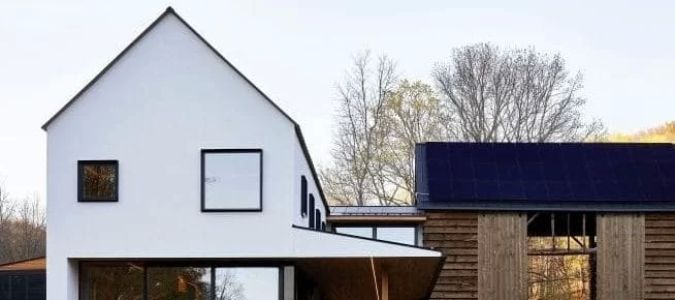
Choosing the right materials is critical. Sustainable construction materials include bamboo, recycled steel, reclaimed wood, low-VOC paints, and insulation from natural fibers. These materials reduce environmental impact, improve indoor air quality, and often offer superior durability.
For example, reclaimed wood not only preserves forests but adds character and history to your home. Similarly, natural fiber insulation maintains thermal efficiency without relying on harmful chemicals. Integrating these materials ensures that your home’s sustainability extends beyond energy efficiency to its very structure.
4. Energy Efficiency Solutions - Reducing Consumption
Implementing energy-efficient technologies is a cornerstone of sustainable living. Solar panels, energy-efficient windows, LED lighting, and smart thermostats reduce energy consumption and lower utility bills. Additionally, high-performance HVAC systems and home automation help maintain comfort while minimizing energy waste.
Innovative strategies such as geothermal heating, rainwater harvesting, and battery storage for solar energy further enhance efficiency. These investments may involve higher upfront costs but provide significant long-term savings and environmental benefits.
5. Water Conservation Techniques - Smart and Sustainable Usage
Water management is a key component of a sustainable home. Installing low-flow faucets, dual-flush toilets, and rainwater collection systems conserves this vital resource. Landscaping with drought-tolerant plants and using greywater for irrigation reduces the overall water footprint.
Properly designed systems allow homeowners to enjoy modern amenities without overburdening local water supplies. Efficient water use not only benefits the environment but also reduces monthly utility expenses.
6. Real-Life Examples - Success Stories of Sustainable Homes
Across the United States, homeowners are sharing inspiring examples of sustainable homes. One family in Colorado retrofitted their historic property with solar panels, reclaimed materials, and rainwater harvesting, cutting energy bills by over 50%. Another in Oregon designed a passive solar home that stays cool in summer and warm in winter, demonstrating the power of thoughtful planning.
These stories show that sustainability can be integrated into a variety of home types—from urban apartments to rural retreats—providing both environmental and economic benefits.
7. 10 Jay Street Resources - Tools and Services for Sustainable Living
For homeowners seeking guidance on building a sustainable home, 10 Jay Street offers valuable resources, including recommendations for eco-friendly materials, energy-efficient appliances, and professional design services. Their platform connects users with experts who can tailor solutions for individual needs, ensuring that each home achieves maximum sustainability without compromising style or comfort.
Utilizing these services streamlines the building process, reduces errors, and helps homeowners make informed decisions that align with environmental and financial goals.