

How to Build a Sustainable, Low-Maintenance Home
- 1. Why Build a Sustainable, Low-Maintenance Home?
- 2. Key Principles for Sustainable Home Design
- 3. Choosing Low-Maintenance Materials
- 4. Incorporating Energy-Efficient Features
- 5. The Benefits of Smart Home Technology
- 6. Real-World Examples of Sustainable Homes
1. Why Build a Sustainable, Low-Maintenance Home?
Building a sustainable, low-maintenance home is not just an environmentally responsible choice, but also a practical and cost-effective decision. With growing concerns about climate change, many homeowners are looking for ways to reduce their carbon footprint while maintaining comfort and convenience. A sustainable home uses fewer resources, reduces energy consumption, and minimizes waste, making it a smart investment for both the planet and your long-term savings.
Low-maintenance homes are designed to reduce the need for constant repairs and upkeep. By selecting durable materials and implementing smart design strategies, you can ensure that your home stands the test of time without requiring excessive attention and resources. This approach not only saves you money on repairs and maintenance but also ensures that your home remains functional and aesthetically pleasing for years to come.
2. Key Principles for Sustainable Home Design
Sustainability in home design goes beyond simply using eco-friendly materials. It’s about creating a home that harmonizes with the environment, reduces energy use, and supports a healthy lifestyle. Here are the key principles to follow:
2.1 Passive Solar Design
One of the most effective ways to make your home sustainable is through passive solar design. This involves designing the layout and structure of your home to take advantage of natural sunlight for heating and lighting. By positioning windows strategically, you can maximize solar gain during the winter and minimize heat loss in the summer, reducing the need for artificial heating and cooling.
2.2 Efficient Use of Space
A sustainable home often incorporates efficient use of space, reducing the need for excessive materials and energy consumption. Open floor plans, multi-purpose rooms, and compact designs help minimize the building's environmental impact, while also making the home feel spacious and comfortable.
2.3 Green Building Certifications
Consider aiming for green certifications, such as LEED (Leadership in Energy and Environmental Design) or Energy Star, when designing your home. These certifications ensure that your home meets strict environmental and energy efficiency standards, which can boost your home’s market value and reduce its environmental footprint.
3. Choosing Low-Maintenance Materials
The materials you choose for your home have a significant impact on its sustainability and maintenance needs. Low-maintenance materials are durable, weather-resistant, and require little upkeep over time. Here are a few top options to consider:
3.1 Metal Roofing
Metal roofs are a popular choice for sustainable homes due to their durability and low maintenance. They are resistant to harsh weather, fire, and pests, and they last much longer than traditional asphalt shingles. Additionally, metal roofs reflect sunlight, helping to reduce cooling costs during the summer months.
3.2 Composite Decking
Traditional wood decking requires regular staining, sealing, and repairs. Composite decking, made from a mix of wood fibers and plastic, offers the same look as wood but with far less maintenance. It’s resistant to rot, fading, and pests, and it doesn’t require the same amount of care as natural wood.
3.3 Low-Maintenance Siding
Vinyl, fiber cement, and engineered wood siding are excellent choices for low-maintenance homes. These materials are resistant to rotting, warping, and fading, and they only require occasional cleaning. They provide a sleek, modern aesthetic without the hassle of regular upkeep.
4. Incorporating Energy-Efficient Features
Energy efficiency is a core aspect of sustainable home design. Incorporating energy-efficient features can significantly reduce your home’s energy consumption, lower utility bills, and minimize environmental impact. Here are some must-have energy-saving features:
4.1 High-Performance Insulation
Proper insulation is essential for maintaining a comfortable temperature inside your home and reducing energy usage. High-performance insulation helps to keep heat in during the winter and out during the summer, reducing the need for heating and cooling systems.
4.2 Energy-Efficient Windows
Windows are a major source of heat loss, so choosing energy-efficient windows with double glazing or low-emissivity coatings can help reduce your home’s energy consumption. Energy-efficient windows improve indoor comfort by regulating temperatures and reducing the need for air conditioning or heating.
4.3 Solar Panels
Installing solar panels is a great way to generate renewable energy and reduce your reliance on fossil fuels. Solar energy systems can provide significant savings on energy bills and contribute to your home’s overall sustainability. Over time, solar panels can pay for themselves through energy savings and government incentives.
5. The Benefits of Smart Home Technology
Integrating smart home technology into your sustainable home can further enhance its efficiency and convenience. Smart thermostats, lighting systems, and appliances help you monitor and control energy usage, allowing for greater energy conservation. These devices can learn your habits and adjust settings automatically to optimize energy consumption without sacrificing comfort.
Additionally, smart water systems can help you track water usage, reduce waste, and maintain low-maintenance plumbing systems. Automated irrigation systems can also ensure that your landscaping remains healthy with minimal water usage, contributing to overall sustainability.
6. Real-World Examples of Sustainable Homes
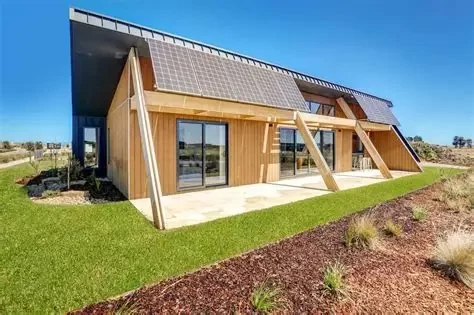
Many homeowners have successfully built sustainable, low-maintenance homes that provide inspiration for your own project. One example is the Zero House, a home that uses cutting-edge green technology, including passive solar heating, rainwater harvesting, and solar power, all while minimizing upkeep with durable materials.
Another great example is the Green Lantern House, which incorporates recycled materials, energy-efficient appliances, and a smart home system to create a sustainable, low-maintenance living space that blends seamlessly with nature.
These homes prove that with careful planning and thoughtful design, it’s possible to create a space that is both eco-friendly and low-maintenance, providing a high quality of life for years to come.
If you're looking for products or services to help with your sustainable home project, visit 10 Jay Street for expert recommendations and the best options tailored to your needs.