


- #how-to-choose-the-right-architectural-style-for-your-home - design-decision-overview
- #understanding-different-home-architectural-styles - foundational-knowledge
- #factors-that-influence-your-choice - lifestyle-budget-and-location
- #real-homeowner-story-making-the-right-style-choice - practical-example
- #common-mistakes-to-avoid-when-selecting-a-style - expert-insights
- #bringing-your-vision-to-life-with-the-right-guidance - professional-support
How to Choose the Right Architectural Style for Your Home
Choosing a home design is one of the most exciting—and sometimes overwhelming—decisions you’ll ever make. When I first started thinking about building my own home, I quickly realized that knowing how to choose the right architectural style for your home goes far beyond simply picking something that “looks nice.” It’s about lifestyle, environment, long-term comfort, and even emotional connection.
The truth is, your home’s architectural style shapes how you experience your everyday life. From how sunlight enters your living room to how your space flows during gatherings, every design choice matters more than most people initially expect.
Understanding Different Home Architectural Styles
1. Modern and Minimalist Designs
Modern homes often emphasize clean lines, open spaces, and large windows. When I toured a modern home for the first time, what struck me most was the simplicity—it felt calm, uncluttered, and intentional. These designs work especially well for people who value functionality and a contemporary aesthetic.
2. Traditional and Classic Styles
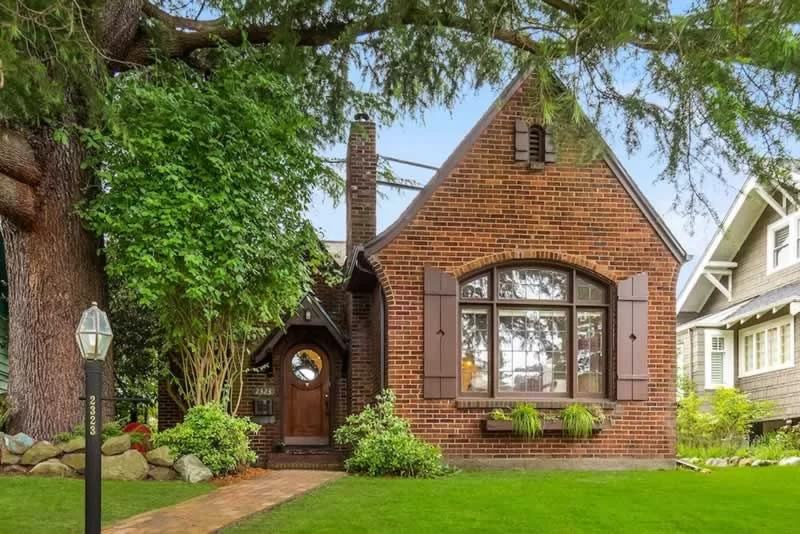
Traditional homes, such as Colonial or Craftsman styles, offer a sense of familiarity and warmth. They often include detailed woodwork, symmetrical layouts, and cozy interiors. For many families, this style feels timeless and emotionally grounding.
3. Transitional Designs That Blend Both Worlds
Some homeowners, including myself at one point, find it difficult to commit to just one style. Transitional architecture combines modern simplicity with traditional comfort, creating a balanced and flexible design.
Factors That Influence Your Choice
1. Lifestyle and Daily Habits
Your daily routine should guide your design decisions. For example, if you enjoy hosting guests, open floor plans and connected living spaces may be essential. If privacy is a priority, more segmented layouts might suit you better.
2. Budget and Long-Term Costs
Different architectural styles come with varying construction and maintenance costs. Modern designs with large glass elements can be stunning but may require higher upfront investment and energy considerations.
3. Climate and Location
One of the most practical lessons I learned is that not every style fits every environment. A coastal-style home works beautifully near the ocean but may feel out of place in a dense urban setting. Similarly, certain materials perform better in specific climates.
4. Neighborhood Context
While creativity is important, it’s also worth considering how your home fits within its surroundings. A design that complements nearby homes often enhances both visual harmony and property value.
Real Homeowner Story: Making the Right Style Choice
A friend of mine once fell in love with an ultra-modern design after seeing it online. Glass walls, sharp angles, and minimalist interiors—it looked incredible in photos. However, after consulting with an architect and considering her family’s lifestyle, she realized it didn’t align with her needs.
She eventually chose a transitional style that blended modern openness with warmer, more traditional elements. Today, her home not only looks beautiful but also feels comfortable and practical for everyday living. This experience reinforced something important: choosing the right architectural style isn’t about trends—it’s about fit.
Common Mistakes to Avoid When Selecting a Style
1. Prioritizing Trends Over Function
It’s easy to get influenced by what’s popular, especially with social media showcasing stunning homes. But trends change quickly, while your home is a long-term investment.
2. Ignoring Practical Needs
Some designs look impressive but don’t align with everyday living. For example, overly open layouts can sometimes lack privacy, while highly segmented spaces may feel restrictive.
3. Overcomplicating the Design
Combining too many styles can result in a home that feels inconsistent. A clear vision, even if it blends elements, should still feel cohesive.
Bringing Your Vision to Life with the Right Guidance
1. Working with Experienced Professionals
Collaborating with architects and designers can help translate your ideas into a functional plan. They can also identify potential challenges early, saving time and money.
2. Exploring Curated Design Inspirations
I found that browsing curated platforms helped me refine my preferences. Seeing real-world applications of different styles made it easier to visualize what would work for my own space.
3. Finding Trusted Resources
Resources like 10 Jay Street offer valuable insights into design trends, architectural inspiration, and property options. These platforms can help bridge the gap between imagination and reality, especially for first-time homeowners.
Learning how to choose the right architectural style for your home is ultimately a journey of self-discovery. The more you understand your needs, preferences, and environment, the clearer your vision becomes—and the more satisfying the final result will be.