

Creating a Timeless and Elegant Architectural Design: A Guide
- 1. What is Timeless Architecture?
- 2. Key Principles of Elegant Architectural Design
- 3. Choosing Materials and Textures for a Lasting Impression
- 4. The Role of Lighting and Spatial Design
- 5. Real-life Examples of Timeless Architectural Designs
1. What is Timeless Architecture?
When I think about timeless architecture, the first thing that comes to mind is designs that remain relevant and beautiful for decades, even centuries. Timeless architecture isn’t just about creating something that lasts physically; it’s about creating something that captures the essence of its time and place while feeling fresh and relevant as time moves forward. The challenge is crafting a space that works not just for the present but for generations to come.
Timeless designs often feature classic lines, balanced proportions, and simple yet sophisticated materials. They stand the test of time because they don’t rely on fleeting trends or overly complex features. Instead, they embrace simplicity, functionality, and elegance—key qualities that make them endure.
2. Key Principles of Elegant Architectural Design
Over the years, I’ve come to realize that creating an elegant architectural design is all about balance. Here are the principles I’ve learned help elevate any design to a level of timeless beauty:
2.1 Simplicity and Functionality
One of the core tenets of timeless design is simplicity. The best designs are often the simplest—those that prioritize functionality without sacrificing beauty. When I’m designing a space, I think about how it will serve its purpose while also providing a calm, pleasing aesthetic. The beauty of simplicity is that it’s not overdone. You don’t need excessive ornamentation to create an elegant design; clean lines and functional spaces are the foundation of a beautiful, timeless design.
2.2 Proportions and Balance
Another principle I’ve found critical is maintaining proper proportions and balance. Whether you’re working on the exterior of a building or the layout of an interior space, making sure that everything feels proportionally correct is key to achieving harmony. For instance, large windows or sweeping arches can create a feeling of grandeur, but when placed incorrectly or without consideration of surrounding elements, they can look out of place. In contrast, well-proportioned designs always feel in sync with their environment.
2.3 Integration with Nature
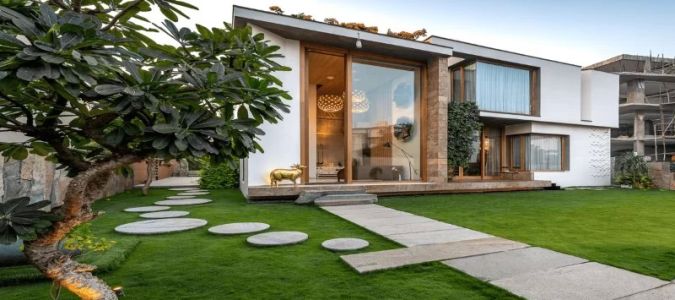
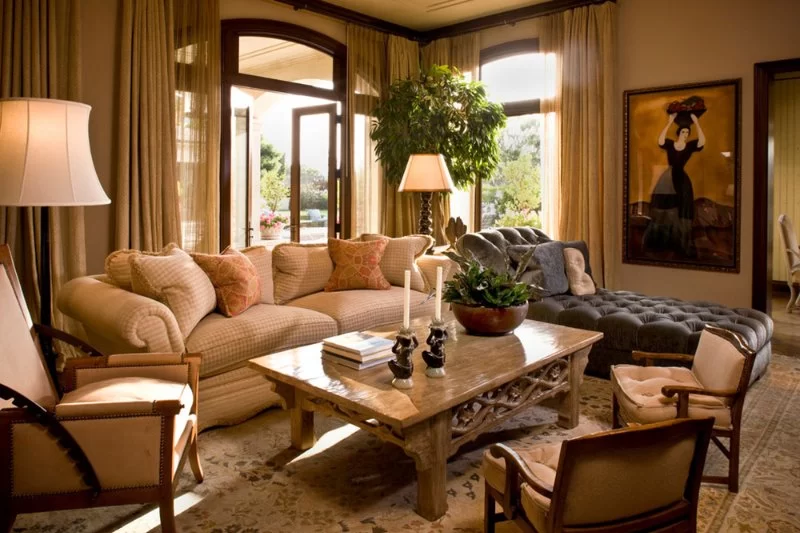
Incorporating natural elements into your design can make a space feel grounded and timeless. Whether it's the use of natural light, wooden finishes, or incorporating greenery into the layout, nature always brings a sense of balance. I’ve worked on projects where I made sure the architecture blurred the line between inside and outside, with large windows that opened up to views of gardens or landscapes, and it always left a lasting impression.
3. Choosing Materials and Textures for a Lasting Impression
Materials are what bring your design to life. I’ve always believed that the materials you choose can either make or break a design. When working on timeless architectural projects, I prefer materials that are durable, natural, and beautiful in their simplicity. Here’s what I’ve learned about some of the best materials for timeless designs:
3.1 Stone and Brick
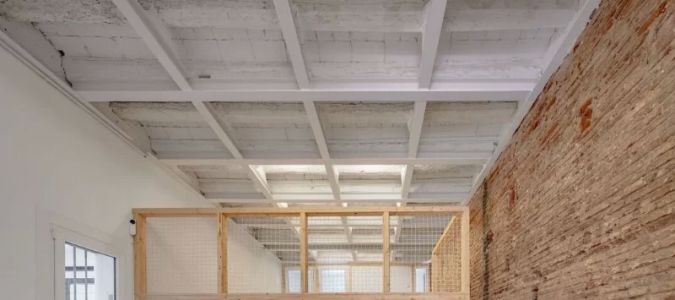
Stone and brick are among the most classic materials used in architecture. Whether it’s the sturdy permanence of stone or the rustic charm of brick, both materials have been used in buildings for centuries. They’re strong, weather-resistant, and can be manipulated to fit various design styles. I love how brick can bring a sense of history and warmth to any design, while stone offers a timeless elegance that never goes out of style.
3.2 Wood
Wood has an incredible ability to add warmth and texture to any design. It’s a material that can be used in various ways, from structural beams to interior finishes. The beauty of wood lies in its versatility and timeless appeal. I’ve used wood in everything from minimalist homes to grand estates, and its natural qualities always seem to enhance the overall aesthetic of the space.
3.3 Glass
Glass is another material that plays a crucial role in creating a modern yet timeless design. Used strategically, glass allows for openness, light, and connection with the surrounding environment. I’ve used glass extensively in architectural designs to create large, sweeping windows or to partition spaces without cutting off sightlines. Glass can soften a space, allowing light to pour in and making the design feel airy and expansive.
4. The Role of Lighting and Spatial Design
Lighting is often overlooked, but it’s one of the most important elements when designing timeless and elegant spaces. Proper lighting can elevate any design, casting shadows and highlighting features that create depth and ambiance. I always consider natural lighting first, incorporating it into a design in the most natural way possible—whether through large windows, skylights, or light wells.
4.1 Natural Light
Natural light is one of the most powerful tools in architectural design. It connects the interior with the outside world, bringing life into spaces. I’ve worked on several projects where strategic placement of windows or glass walls helped draw in natural light and created a seamless transition between indoor and outdoor spaces. The result is a sense of openness that makes the space feel larger and more inviting.
4.2 Artificial Lighting
When designing artificial lighting, I prefer a layered approach—combining ambient, task, and accent lighting to create balance and atmosphere. The right lighting can add drama to a space or create a cozy, intimate feel. I often incorporate recessed lighting or pendant lights that highlight architectural features, adding elegance to the overall design.
5. Real-life Examples of Timeless Architectural Designs
To better understand what makes an architectural design timeless, I often turn to some of the most iconic structures in the world. For instance, the Parthenon in Athens is a prime example of how simplicity, proportion, and harmony can create a design that endures through the ages. Despite its ancient origins, it still commands respect and admiration today, not just for its historical value but for its architectural beauty.
Another example is the Villa Savoye in France, designed by architect Le Corbusier. This modernist masterpiece combines clean lines, open spaces, and a relationship with nature that creates an environment that feels both timeless and futuristic. It’s a perfect illustration of how minimalist principles and thoughtful design can result in an iconic and enduring structure.
Finally, one of my favorite examples of modern elegance is the 10 Jay Street building. Its sleek, clean lines, extensive use of glass, and integration with the surrounding urban landscape make it a perfect representation of how contemporary architecture can marry timeless appeal with modern functionality.
If you’re interested in learning more about timeless architectural designs or seeking advice on creating your own, be sure to visit 10 Jay Street for further inspiration and guidance. Whether you’re designing a home, office, or commercial space, creating a design that stands the test of time is within your reach.