

- 1-Understanding Community-Centered Architecture
- 2-Key Elements for Community-Oriented Design
- 3-Incorporating Social Spaces into Design
- 4-Real-World Examples of Community-Focused Architecture
- 5-Future Trends in Community-Centered Architecture
1. Understanding Community-Centered Architecture
When we think of architecture, we often picture towering buildings, intricate designs, or state-of-the-art infrastructure. However, one of the most powerful aspects of architectural design is its ability to foster a sense of community. Architecture isn't just about creating structures—it's about creating spaces where people can come together, engage, and feel a sense of belonging. But how exactly does one design spaces that truly promote these values? This is where community-centered design comes in.
1.1 The Role of Architecture in Building Community
Architecture plays a crucial role in shaping the way we interact with each other. Spaces that encourage community interaction, whether in a residential neighborhood, public park, or urban development, are key in bringing people together. A well-designed space has the potential to foster connections, collaboration, and a stronger sense of unity within a community.
1.2 What is Community-Centered Architecture?
Community-centered architecture is a design philosophy that prioritizes the well-being and social interaction of individuals within a space. It focuses on creating environments that encourage people to engage with each other, support diverse social activities, and feel connected to the community. It's about designing spaces where everyone feels welcome and included.
2. Key Elements for Community-Oriented Design
When designing spaces with a focus on community, several elements are essential. Incorporating these key design features can enhance social interaction and contribute to a stronger sense of connection. Let’s dive into these elements:
2.1 Open and Flexible Spaces
One of the most important aspects of community-oriented design is creating open, flexible spaces that can be used for various activities. These spaces allow for gatherings, informal meetings, and community events. Think of parks, plazas, and open community halls. These areas can be adapted to meet the diverse needs of a community, whether it's for recreation, socializing, or even hosting local events.
2.2 Access to Natural Elements
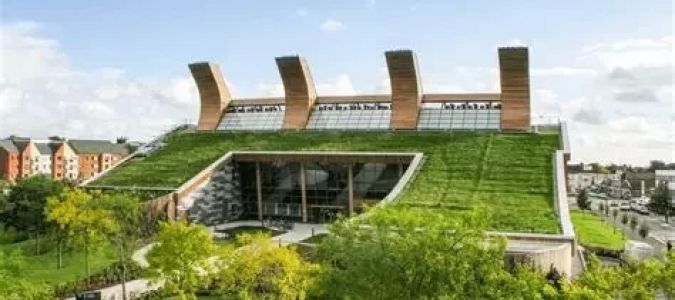
Studies have shown that incorporating natural elements into architectural designs can significantly improve mental well-being and foster a sense of calm. Community spaces that integrate gardens, green spaces, or even green roofs can provide areas for relaxation, contemplation, and outdoor socializing, making them more inviting and inclusive for all residents.
2.3 Inclusivity and Accessibility
Architectural design must cater to people from all walks of life, including individuals with disabilities or mobility issues. Accessible design features such as ramps, elevators, and wide doorways ensure that everyone can access community spaces. Inclusivity goes beyond physical accessibility; it’s also about designing spaces where all individuals feel represented and welcomed, regardless of background or social status.
3. Incorporating Social Spaces into Design
Creating dedicated social spaces within architectural designs is essential in building a connected community. These spaces can range from intimate lounges to large community centers, all serving different purposes and catering to different needs. Let’s explore some examples of how social spaces can be integrated into designs:
3.1 Community Centers and Shared Spaces
Community centers play a pivotal role in connecting people. By providing spaces for shared activities such as classes, meetings, and recreational events, these centers act as hubs for social interaction. The layout of the center should encourage movement and interaction, with open spaces for group activities and more private areas for quiet reflection.
3.2 Cafes, Restaurants, and Gathering Spaces
Casual dining areas or communal kitchens within residential complexes can encourage spontaneous interaction between residents. These spaces provide opportunities for people to meet and bond over meals, creating informal yet meaningful connections.
3.3 Public Art Installations and Interactive Elements
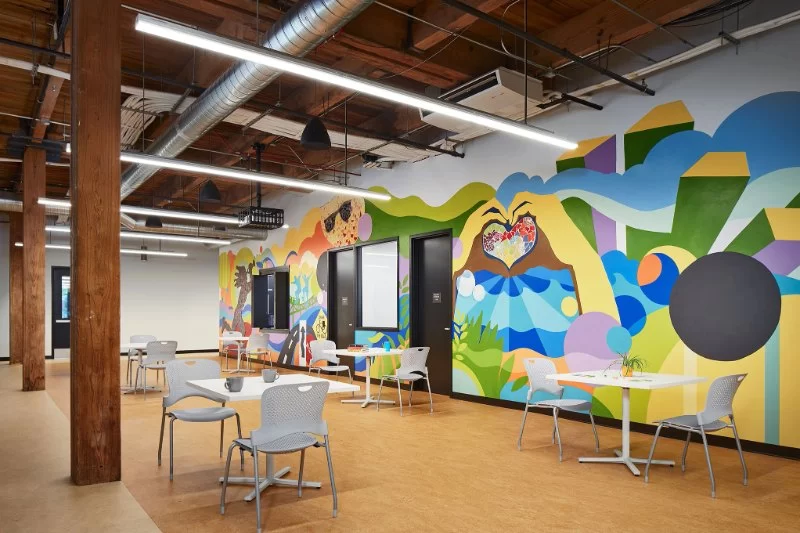
Public art is an excellent way to bring people together. Art installations in public spaces can be interactive, thought-provoking, or even fun, sparking conversations among community members. Whether it’s a mural, sculpture, or performance space, these elements create shared experiences that foster unity and pride within the community.
4. Real-World Examples of Community-Focused Architecture
To better understand how community-centered design works in practice, let’s look at some real-world examples of successful projects:
4.1 The High Line, New York City
The High Line in Manhattan is a prime example of turning underutilized urban space into a community asset. This elevated park was transformed into a public space filled with greenery, walking paths, and spaces for events. It’s a great example of how public spaces can offer recreation, socialization, and connection in an urban environment.
4.2 The Edge, Amsterdam
In Amsterdam, the Edge office building has been designed with both employees and the surrounding community in mind. The building includes open, collaborative workspaces, wellness areas, and social lounges. The design is geared towards fostering a sense of community both inside and outside the building, with spaces that invite both collaboration and relaxation.
5. Future Trends in Community-Centered Architecture
As urban areas continue to evolve, community-centered architecture is expected to play a bigger role in shaping the future of cities. Here are some key trends to watch:
5.1 Sustainable and Green Design
Sustainability is increasingly becoming a top priority in architectural design. Future community-centered buildings will focus on reducing environmental impact while providing green spaces for residents to enjoy. Solar panels, rainwater harvesting systems, and energy-efficient building materials will become more common in the designs of the future.
5.2 Smart Cities and Technology Integration
The integration of technology into architecture will continue to enhance the way we interact with spaces. From smart lighting systems to interactive displays, technology will allow for more personalized and efficient experiences in community spaces. Smart cities are already being designed with these principles in mind, improving accessibility, security, and communication within communities.
By embracing community-centered design, architects can create spaces that not only serve functional needs but also encourage social interaction, inclusivity, and sustainability. If you're interested in exploring how architectural design can foster a sense of community, visit The Watermelon Table for resources, product recommendations, and expert advice on community-focused spaces!