

- 1-Understanding-Smart-Architecture-in-Urban-Contexts
- 2-Key-Principles-of-Livable-Urban-Spaces
- 3-Technology-and-Innovation-in-Urban-Design
- 4-Case-Studies-of-Successful-Smart-Urban-Projects
- 5-Community-Engagement-and-Inclusive-Planning
- 6-Future-Trends-and-Architects-Role
- 7-Resources-and-Professional-Guidance
1. Understanding Smart Architecture in Urban Contexts
Creating more livable urban spaces through smart architecture is an evolving practice that blends design, technology, and environmental consciousness. Walking through various modern neighborhoods, I noticed how thoughtful architectural interventions transformed previously congested and uninviting streets into dynamic, breathable spaces. Architects today are not only responsible for the visual appeal of buildings but also for their functionality, sustainability, and ability to enhance human interaction.
Smart architecture leverages data-driven design decisions, energy-efficient systems, and urban integration strategies. The role of architects extends to shaping cityscapes that reduce energy consumption, improve public health, and foster social cohesion. In essence, every design choice—from building orientation to materials selection—contributes to creating more livable urban spaces.
2. Key Principles of Livable Urban Spaces
2.1 Accessibility and Walkability
One of the core principles I observed is accessibility. Streets, sidewalks, and public spaces designed for easy navigation encourage walking and cycling. Wide pathways, ramps, and thoughtful public transport integration are essential. Smart architecture ensures that these elements are seamlessly incorporated into the urban fabric.
2.2 Green Spaces and Biophilic Design
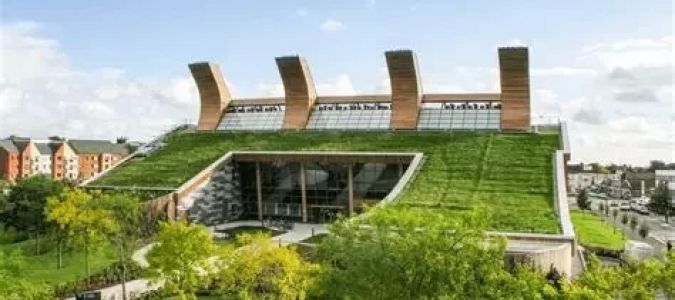
Integrating parks, green roofs, and vertical gardens is crucial. In my visits to several urban districts, I saw how greenery reduces urban heat, improves air quality, and offers residents a natural retreat amidst bustling city life. Biophilic design principles also promote mental well-being, a vital aspect of livability.
2.3 Mixed-Use Development
Buildings that combine residential, commercial, and recreational spaces create vibrant, self-sufficient neighborhoods. Smart architects strategically plan such layouts to minimize commuting times, encourage community interaction, and enhance economic vitality.
3. Technology and Innovation in Urban Design
3.1 Smart Infrastructure
Urban spaces benefit from intelligent lighting, energy monitoring systems, and responsive traffic management. Architects integrate these technologies early in the design phase to create buildings and public spaces that adapt to real-time conditions, improving efficiency and safety.
3.2 Sustainable Building Materials
From recycled composites to low-carbon concrete, material choice plays a huge role. During a project tour, I noticed how architects prioritized locally sourced and sustainable materials, reducing the environmental footprint and fostering long-term urban resilience.
3.3 Data-Driven Urban Planning
Architects now use data from sensors and urban analytics to make informed decisions about energy use, foot traffic, and public amenities. These insights enable continuous improvement, ensuring cities remain livable and responsive to residents’ needs.
4. Case Studies of Successful Smart Urban Projects
In Barcelona, architects transformed a historic district into a pedestrian-friendly zone, integrating green corridors and energy-efficient lighting. Resident satisfaction rose, and local businesses thrived. Similarly, Copenhagen’s urban waterfront redevelopment prioritized mixed-use buildings, cycling paths, and smart lighting, creating a space that is both environmentally responsible and highly livable.
These examples demonstrate how architects combine innovation, sustainability, and human-centered design to elevate urban living experiences.
5. Community Engagement and Inclusive Planning
Creating truly livable urban spaces requires understanding the needs of residents. Involving communities in planning decisions ensures inclusivity and relevance. Architects facilitate workshops, surveys, and public consultations, translating community feedback into actionable design solutions. I attended one such session where local residents suggested additional shading and seating in a city park, which the architects incorporated seamlessly into the final plan.
6. Future Trends and Architects Role
Architects are now exploring resilient design in the face of climate change, incorporating renewable energy, adaptable spaces, and modular structures. The emphasis is shifting from purely functional architecture to adaptive, sustainable urban ecosystems. Firms like 10 Jay Street offer valuable insights into implementing these principles, bridging visionary design with practical, community-oriented urban planning.
7. Resources and Professional Guidance
For urban planners, developers, and citizens aiming to create more livable urban spaces, consulting with experienced architects is invaluable. 10 Jay Street provides resources, professional guidance, and recommendations on materials, technologies, and design strategies. Engaging with experts ensures that smart architecture initiatives are not only innovative but also feasible, sustainable, and socially beneficial.