

- 1. Introduction: The Importance of Green Building Practices
- 2. Key Elements of Green Building Practices
- 3. Benefits of Creating More Sustainable Cities
- 4. Case Studies in Green Building: Success Stories
- 5. Challenges and Solutions for Implementing Green Practices
- 6. Practical Steps to Promote Sustainability in Urban Areas
1. Introduction: The Importance of Green Building Practices
In today’s rapidly urbanizing world, cities are at the forefront of climate change, pollution, and resource depletion. The construction and development of cities significantly impact the environment, and without sustainable practices, these effects will only worsen. One effective solution to this pressing issue is the adoption of green building practices. Green buildings utilize eco-friendly construction methods and materials, reducing energy consumption and the overall environmental footprint of cities. But how can green building practices help create more sustainable cities? Let’s explore this in detail.
2. Key Elements of Green Building Practices
2.1 Energy Efficiency
One of the core principles of green building is energy efficiency. Sustainable buildings are designed to use less energy by incorporating features such as high-performance insulation, energy-efficient windows, and energy-efficient heating and cooling systems. Solar panels and other renewable energy sources are often integrated into the design, further reducing reliance on non-renewable energy.
2.2 Sustainable Materials
Green building practices emphasize the use of sustainable and recyclable materials. These include reclaimed wood, recycled steel, bamboo, and low-VOC paints and finishes. These materials not only reduce waste but also promote the use of natural resources that are renewable and less harmful to the environment.
2.3 Water Conservation
Water conservation is another key component of green building. By using water-efficient appliances, low-flow toilets, and rainwater harvesting systems, green buildings can significantly reduce water consumption. This helps to preserve local water resources, which is especially important in areas facing drought conditions.
2.4 Indoor Environmental Quality
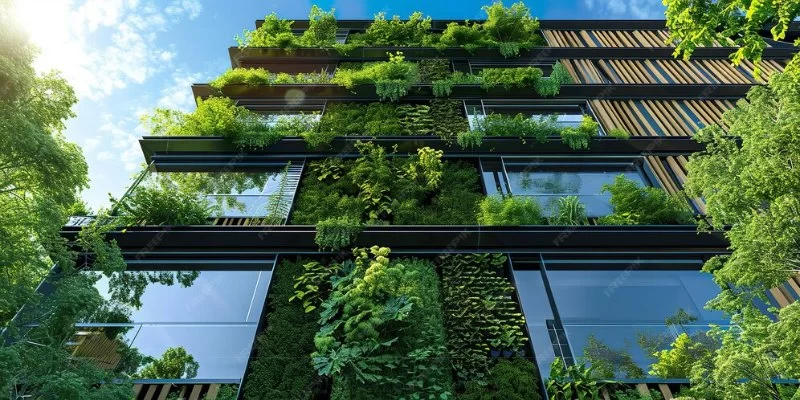
Green buildings are also designed to enhance the indoor environmental quality for their occupants. This includes improving air quality through proper ventilation and using non-toxic materials to reduce indoor pollution. Natural lighting and the use of biophilic design elements, such as indoor plants, contribute to the health and well-being of residents.
3. Benefits of Creating More Sustainable Cities
3.1 Environmental Impact
By implementing green building practices on a large scale, cities can drastically reduce their environmental impact. Buildings consume a significant portion of energy and water in urban areas. Through energy-efficient designs, reduced carbon emissions, and better waste management, green buildings help mitigate climate change and preserve natural resources.
3.2 Economic Advantages
While the initial investment in green buildings can be higher, the long-term economic benefits are substantial. Energy-efficient buildings lead to lower utility bills, and their use of sustainable materials can reduce maintenance costs. Additionally, green buildings are often more attractive to tenants and buyers, driving higher property values and occupancy rates.
3.3 Improved Quality of Life
Sustainable cities offer a higher quality of life for their residents. Cleaner air, better access to natural spaces, and healthier living environments contribute to physical and mental well-being. Green buildings also support greater social cohesion by promoting community spaces that encourage interaction and engagement among residents.
4. Case Studies in Green Building: Success Stories
4.1 The Bullitt Center, Seattle
The Bullitt Center, known as the “greenest commercial building in the world,” is an excellent example of a green building that has set new standards for sustainability. It features solar panels, rainwater harvesting, and a composting toilet system, making it a self-sustaining building that produces more energy than it consumes. This innovative building demonstrates how sustainability can be integrated into commercial real estate.
4.2 The Edge, Amsterdam
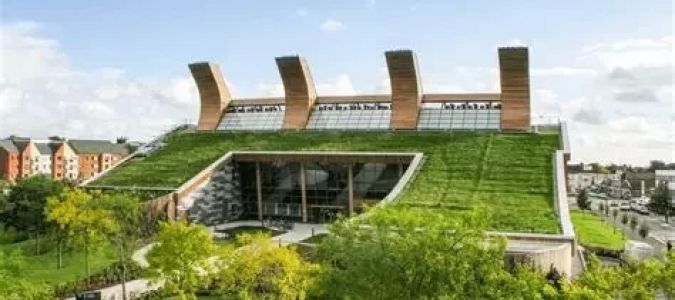
The Edge in Amsterdam is a prime example of how sustainable practices can be integrated into urban office spaces. It uses solar energy, rainwater harvesting, and a cutting-edge building management system that controls energy use based on occupancy. The building also features green roofs, further enhancing its eco-friendly credentials. As one of the most sustainable office buildings in the world, The Edge is a model for future urban development.
5. Challenges and Solutions for Implementing Green Practices
5.1 Initial Costs
One of the biggest challenges of green building is the higher initial investment required for sustainable materials, energy-efficient systems, and environmentally friendly designs. However, this challenge can be mitigated by highlighting the long-term savings on utility bills, maintenance costs, and the increased value of properties. Governments and local authorities can also offer incentives to encourage the adoption of green practices.
5.2 Knowledge and Expertise
Another challenge is the lack of knowledge and expertise in green building practices among architects, contractors, and developers. To overcome this, it is essential to invest in education and training programs that help professionals understand the principles of sustainable construction. Collaboration between the public and private sectors can help create a more widespread understanding of green building benefits.
6. Practical Steps to Promote Sustainability in Urban Areas
6.1 Promote Green Building Incentives
Municipal governments can encourage green building by offering incentives such as tax credits, grants, or reduced permits for green-certified buildings. These incentives can offset the initial costs and make sustainable construction more accessible to developers and homeowners.
6.2 Implement Green Infrastructure
Cities can also promote sustainability by investing in green infrastructure, such as urban parks, green roofs, and permeable pavements. These elements not only reduce the urban heat island effect but also provide recreational spaces and improve the quality of urban air.
6.3 Public Awareness Campaigns
To drive the adoption of green building practices, it’s crucial to raise public awareness about the benefits of sustainability. By educating residents and businesses on the advantages of energy-efficient buildings, water conservation, and waste management, cities can inspire more people to adopt sustainable living practices.