

Designing a Building That Enhances Its Surrounding Environment
As an architect, one of the most fulfilling aspects of my career is designing buildings that don’t just meet functional needs but also enhance the environment they occupy. A building is not just an isolated structure; it interacts with its surroundings, affecting everything from local ecosystems to the community’s well-being. Designing a building that enhances its environment requires a thoughtful approach that takes into account sustainability, aesthetics, and urban integration. In this article, I’ll explore several key strategies I’ve learned throughout my career for creating buildings that not only serve their purpose but improve their surroundings.
1. Sustainability at the Core
At the heart of any environmentally enhancing building is sustainability. Incorporating sustainable practices into the design process ensures that the building has a minimal negative impact on the environment while maximizing the efficiency of its resources. Here are some of the essential elements of sustainable building design:
1.1 Energy Efficiency
Energy-efficient buildings are crucial in the fight against climate change. When designing, I prioritize passive energy-saving strategies, such as optimizing natural light, insulating properly, and using energy-efficient heating, cooling, and lighting systems. This approach not only reduces the carbon footprint of a building but also lowers operating costs for the occupants. For instance, I once worked on a project where the design included south-facing windows, allowing sunlight to warm the building naturally during winter months, drastically reducing energy consumption.
1.2 Green Materials
Choosing the right materials is another fundamental aspect of sustainable design. Opting for materials that are locally sourced, recyclable, and environmentally friendly helps reduce the building’s carbon footprint. Recycled steel, bamboo, and reclaimed wood are some of my go-to materials for sustainable construction. I also advocate for using low-VOC paints and finishes to ensure healthier indoor air quality. In one of my recent projects, we used cork flooring, a highly renewable resource, which not only looks great but also helps with sound insulation.
1.3 Water Conservation
Water is a precious resource, and in sustainable architecture, it’s essential to design buildings that minimize water usage. I recommend installing low-flow plumbing fixtures, rainwater harvesting systems, and drought-resistant landscaping. On one project, we implemented a rainwater collection system that provided irrigation for the building’s landscape, significantly reducing the need for municipal water and contributing to the overall sustainability of the site.
2. Integrating the Building with Its Surroundings
A key component of designing a building that enhances its environment is ensuring it is well-integrated with its surroundings. This means considering the local ecosystem, climate, and community needs. Here’s how I approach this challenge:
2.1 Respecting Local Ecosystems
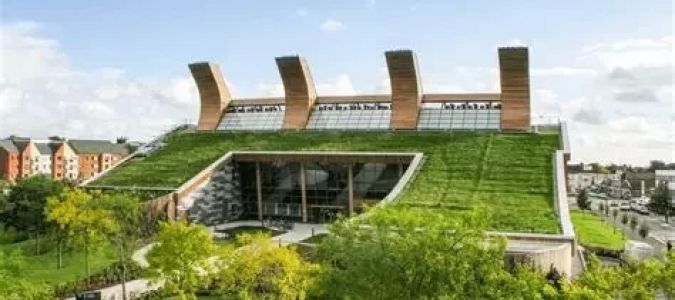
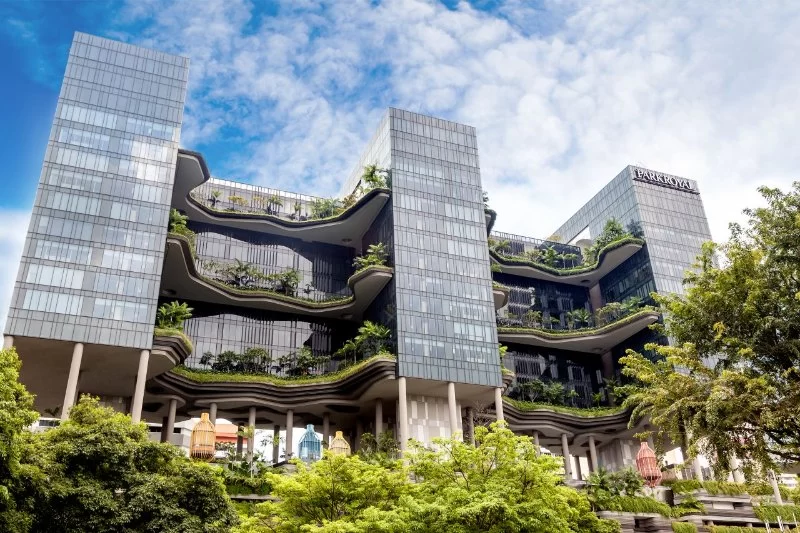
When designing buildings, I always take time to study the local ecosystem and the natural elements surrounding the site. For example, in urban areas, I might focus on creating green roofs or vertical gardens that promote biodiversity and provide habitats for local wildlife. In rural areas, I may consider the use of natural materials that blend seamlessly into the landscape. This integration fosters a relationship between the building and its environment rather than an intrusion into the natural world.
2.2 Climate Responsiveness
Every site has a unique climate, and a good architect designs with the local climate in mind. For instance, buildings in hot climates should be designed with materials that minimize heat absorption, while those in cold climates should feature design elements that retain warmth. I’ve worked on a project in a coastal area where we used shading elements such as pergolas and awnings to reduce solar heat gain, which kept the interior comfortable without the need for excessive air conditioning.
2.3 Community Connectivity
Buildings should not only serve the people within them but also the wider community. I always consider how the building can improve local connectivity, whether it’s through pedestrian pathways, public spaces, or creating spaces that encourage social interactions. In one project, I designed a community center that opened up to a park, offering both indoor and outdoor spaces for gatherings, which helped foster a sense of community and engagement.
3. Aesthetic Considerations in Environmental Design
While sustainability and functionality are crucial, aesthetic appeal plays a huge role in how a building interacts with its surroundings. A well-designed building can elevate the beauty of its environment, turning an otherwise mundane area into something inspiring. Here’s how I approach aesthetics in sustainable design:
3.1 Harmonizing with the Landscape
Good design considers how the building fits within its natural surroundings. I make it a priority to ensure that the form, massing, and materials of the building work in harmony with the existing landscape. For example, a building in a mountainous region might use local stone to reflect the rocky surroundings, while a building by the beach might incorporate soft, flowing lines to mimic the curves of the coastline. The aim is to ensure that the building enhances its setting rather than disrupting it.
3.2 Creating Visual Interest Through Light
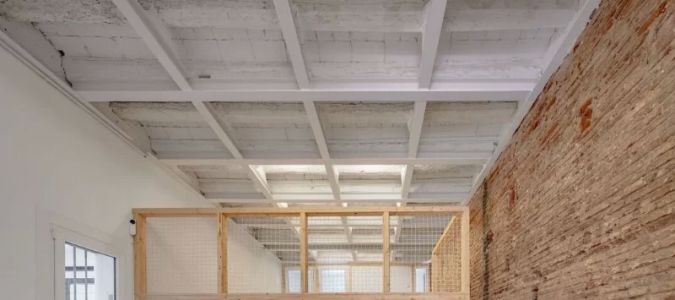
Light is one of the most powerful tools in design, and I often play with natural light to create visually striking environments. Incorporating large windows, skylights, or light wells allows sunlight to penetrate deep into the building, creating a dynamic interior environment. The interplay of light and shadows changes throughout the day, adding an ever-evolving aesthetic quality to the space. This approach also brings the outdoors inside, fostering a sense of connection with the natural world.
3.3 Art and Culture Integration
In many of my projects, I’ve integrated art and culture into the architectural design. This could involve working with local artists to create murals, sculptures, or other installations that celebrate the area’s history and cultural significance. Art helps make the building not just a functional space, but a cultural landmark that draws the community in. One example is a public library I designed, where the exterior featured locally-inspired artwork and the interior was filled with colorful mosaics that told the story of the region’s heritage.
4. Long-Term Environmental Impact
Ultimately, the goal of designing buildings that enhance the surrounding environment is to create structures that will stand the test of time. A building should be resilient, adaptable, and beneficial not only during construction but for generations to come. I always consider long-term maintenance, energy needs, and the building’s overall impact on the community and environment.
By creating buildings that are energy-efficient, environmentally friendly, and aesthetically integrated with their surroundings, architects can contribute to a more sustainable, beautiful, and harmonious built environment. These projects not only improve the immediate area but also help shape the future of sustainable urban development.
For more insights on innovative design strategies and sustainable architecture, be sure to check out 10 Jay Street, where you can find expert advice and recommendations for your next architectural project.