


- 1. The Importance of Environmentally Friendly Design
- 2. Key Principles of Functional and Sustainable Design
- 3. Innovative Materials and Technologies for Green Buildings
- 4. Real-World Examples of Environmentally Friendly Buildings
- 5. How to Incorporate Green Design in Your Project
- 6. Exploring 10 Jay Street for Sustainable Design Inspiration
1. The Importance of Environmentally Friendly Design
Designing a building that is both functional and environmentally friendly has become more important than ever before. As concerns about climate change and resource depletion continue to grow, the construction industry has started to embrace sustainable building practices. But creating a building that is both efficient and eco-friendly isn't just about meeting environmental goals—it’s about creating spaces that are better for the people who use them.
When I first started learning about sustainable architecture, I realized how crucial it is to design spaces that not only meet the needs of the present but also consider the long-term impact on our planet. From reducing energy consumption to using renewable materials, environmentally friendly buildings contribute to a healthier environment, lower operating costs, and improved well-being for occupants.
2. Key Principles of Functional and Sustainable Design
Designing a functional building that is also environmentally friendly requires a balanced approach. It’s not just about using “green” materials or energy-efficient systems—it’s about creating a building that serves its purpose while minimizing its ecological footprint. Here are the key principles that should guide every sustainable design:
1. Energy Efficiency
One of the most important aspects of sustainable building design is energy efficiency. By using strategies like proper insulation, passive heating and cooling, and energy-efficient appliances, buildings can significantly reduce their energy consumption. This not only lowers operational costs but also reduces greenhouse gas emissions, contributing to a cleaner environment.
2. Use of Sustainable Materials
Materials play a key role in determining a building’s environmental impact. Sustainable materials, such as recycled steel, bamboo, and reclaimed wood, are renewable and have a lower environmental impact compared to traditional building materials. Choosing these materials helps reduce the carbon footprint of a project and supports the circular economy.
3. Water Conservation
Water-efficient systems, like low-flow faucets and toilets, and rainwater harvesting systems, help reduce water consumption in buildings. Sustainable landscaping practices, such as xeriscaping, also reduce the need for irrigation, helping to conserve water resources.
4. Indoor Air Quality
Building designs that promote healthy indoor environments are crucial for occupant well-being. Sustainable buildings use low-VOC paints, efficient ventilation systems, and natural lighting to improve air quality and create comfortable, healthier spaces for people to live and work in.
3. Innovative Materials and Technologies for Green Buildings
As technology continues to evolve, new materials and technologies are transforming the way we approach sustainable building design. These innovations not only enhance the performance of buildings but also contribute to reducing their environmental impact.
1. Solar Panels and Green Roofs
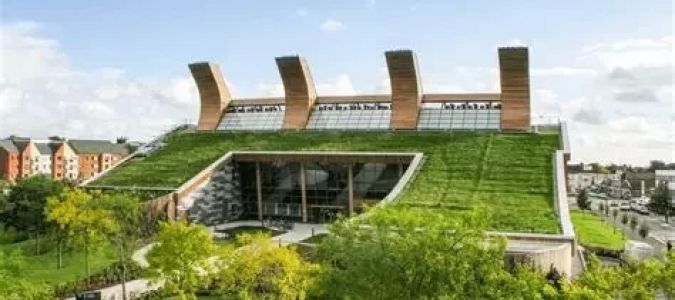
Solar panels are one of the most popular technologies for reducing energy consumption in buildings. By harnessing the power of the sun, solar panels can generate electricity and reduce dependence on fossil fuels. Green roofs, which are covered with vegetation, help insulate buildings, reduce heat islands, and manage stormwater runoff.
2. Smart Building Systems
Smart building systems, such as automated lighting and climate control, optimize energy usage by adjusting to real-time conditions. These systems can learn and adapt to the behavior of occupants, ensuring that energy is used efficiently while maintaining comfort.
3. 3D-Printed Materials
3D printing technology is changing the way we think about building materials. By creating customized components with minimal waste, 3D printing can reduce the environmental impact of construction. Some companies are even experimenting with 3D-printed houses made from recycled materials, offering a glimpse into the future of sustainable architecture.
4. Real-World Examples of Environmentally Friendly Buildings
It’s inspiring to see how sustainable design principles are being implemented in real-world buildings. Here are some of the most notable examples of environmentally friendly buildings:
1. The Edge, Amsterdam
The Edge is one of the most sustainable office buildings in the world. With features like solar panels, an energy-efficient design, and smart technologies that optimize lighting and temperature, this building achieves a high level of energy efficiency. It also uses rainwater harvesting and has a green roof that helps improve air quality and insulation.
2. Bosco Verticale, Milan
Known as the “Vertical Forest,” Bosco Verticale is a pair of residential towers in Milan that are covered with more than 9,000 trees and 13,000 plants. The design helps mitigate air pollution, provides natural insulation, and promotes biodiversity. It’s a perfect example of how urban spaces can be integrated with nature to improve environmental sustainability.
3. 10 Jay Street, Brooklyn, NY
10 Jay Street, located in Brooklyn, is an excellent example of a sustainable building that blends functionality with green design. This mixed-use development incorporates energy-efficient systems, green rooftops, and a commitment to using sustainable materials throughout the project. The building’s design not only maximizes natural light but also supports energy conservation, making it a standout in New York’s growing sustainability movement.
5. How to Incorporate Green Design in Your Project
If you're embarking on a construction project and want to incorporate green design, start by considering the following steps:
- Conduct an energy audit: Before designing, assess the energy needs of the building. This will help you identify areas where energy efficiency can be improved.
- Choose sustainable materials: Look for eco-friendly alternatives to traditional building materials that are renewable, recycled, or locally sourced.
- Prioritize passive design strategies: Incorporate features such as natural ventilation, solar orientation, and proper insulation to reduce energy use.
- Engage professionals: Work with architects and engineers who specialize in sustainable design to ensure your project meets the highest environmental standards.
6. Exploring 10 Jay Street for Sustainable Design Inspiration
If you’re looking for inspiration on how to integrate sustainable design into your project, 10 Jay Street in Brooklyn is a perfect example of how innovative green building practices can create both functional and environmentally friendly spaces. The building combines modern architecture with eco-conscious solutions, making it a model for future developments.
At 10 Jay Street, you can explore cutting-edge sustainable features and learn from a project that truly prioritizes both functionality and environmental stewardship. Whether you’re building a residential or commercial space, there’s plenty to learn from this iconic example of sustainable design.