

How to Design a Building That is Both Modern and Timeless
- 1 - Understanding the Need for Timeless Design
- 2 - Balancing Modern Innovations with Classic Elements
- 3 - Choosing Materials That Age Gracefully
- 4 - Considering Functionality and Aesthetics
- 5 - Real-World Examples of Timeless, Modern Architecture
1 - Understanding the Need for Timeless Design
When it comes to architecture, the goal is often to create spaces that resonate with both the present and the future. But how do you design a building that feels as relevant in decades, or even centuries, as it does today? This balance between modern appeal and timelessness is a challenge every architect or designer must face. I’ve always believed that a building should tell a story of its time while transcending fleeting trends, so it remains appreciated for generations. The beauty of timeless design is its ability to adapt—while staying true to its core values, it endures regardless of changes in style or technology.
2 - Balancing Modern Innovations with Classic Elements
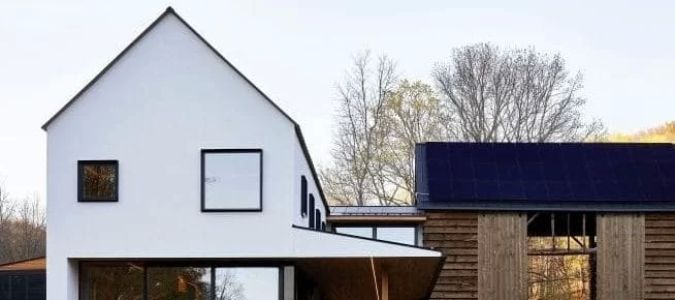
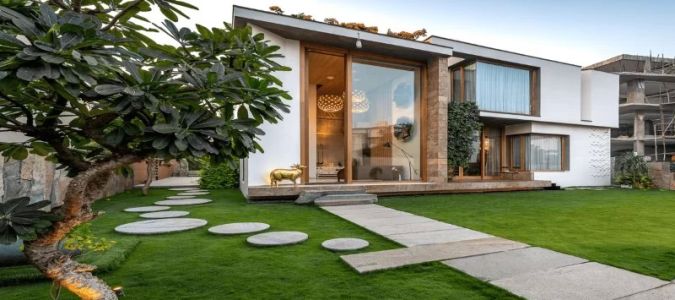
One of the essential components of designing a building that stands the test of time is finding the perfect balance between modern innovations and classic architectural elements. While it’s tempting to rely solely on contemporary trends, the key to timelessness lies in blending the best of the past and the present. For example, incorporating sleek, modern glass facades or cutting-edge technology with classic brickwork or stone detailing creates a dynamic yet enduring design.
Personally, I find that classic elements like arches, columns, or traditional proportions help establish a building’s sense of permanence and history. These timeless elements offer a foundation, while modern touches can provide a sense of innovation and forward-thinking design. It’s about respecting the past while embracing the future—creating spaces that serve present-day needs while still looking fresh decades later.
3 - Choosing Materials That Age Gracefully
Another important consideration when designing a timeless building is the selection of materials. The right materials not only contribute to the aesthetic appeal but also influence the durability and longevity of a structure. I’ve always emphasized the importance of materials that improve with age, like natural stone, wood, or concrete. These materials develop a patina over time, adding character and depth as they weather. On the other hand, some modern materials, if not chosen carefully, can look outdated quickly or even deteriorate prematurely.
For example, consider the use of travertine, granite, or marble—materials that have been used for centuries. These age gracefully and often look even better with time. Furthermore, the use of sustainable materials can add another layer of timelessness. Eco-friendly materials such as recycled wood, bamboo, or even innovative concrete can make a building feel modern while ensuring its long-lasting relevance.
4 - Considering Functionality and Aesthetics
Timeless design isn’t just about looks; it’s about creating spaces that work efficiently for their intended purpose. A building must be functional, comfortable, and adaptable to changes in how it is used over time. Many buildings that are considered timeless are those that have been designed with flexibility in mind. Think of the iconic structures that still stand today—they often feature open floor plans, plenty of natural light, and spaces that can evolve to meet changing needs.
For instance, a modern office building designed with flexible workspaces and smart technology can retain its relevance as work habits shift. Similarly, homes built with open living areas, integrated storage, and adaptable layouts will continue to feel fresh and functional for generations. Combining this functional aspect with aesthetic beauty ensures that a building can remain not only useful but also visually appealing for years to come.
5 - Real-World Examples of Timeless, Modern Architecture
Several buildings around the world perfectly embody the blend of modern design with timeless elegance. Here are a few examples that I’ve personally found inspiring:
- The Guggenheim Museum (New York City): Designed by Frank Lloyd Wright, this museum is a brilliant example of modern design that still feels timeless. The building’s spiral structure and continuous, flowing lines have remained iconic since its completion in 1959.
- The Sydney Opera House (Sydney, Australia): Known for its unique sail-like design, the Sydney Opera House combines modern design with traditional influences. Its innovative use of shape and form has made it an enduring symbol of creativity and culture.
- The Burj Khalifa (Dubai, UAE): As one of the most modern skyscrapers in the world, the Burj Khalifa represents the future of design. Yet, its sleek and simple aesthetic ensures that it will remain timeless, standing as a symbol of innovation for many years to come.
These buildings are not only innovative and forward-thinking but are also prime examples of how modern design can still be timeless. They combine functionality, beauty, and adaptability, proving that the best buildings are those that embrace both the present and the future.
If you're interested in exploring innovative and timeless design options for your next project, visit 10 Jay Street for expert advice and recommendations on the best materials, styles, and approaches to architectural design.