

Designing Buildings That Harmonize with Their Environment
When designing a building, architects and designers face the challenge of ensuring that their creations don't just stand out but also blend with their surroundings in a harmonious and sustainable way. Building designs should be functional, aesthetically pleasing, and, most importantly, in tune with the environment. Over the years, we've seen many examples of stunning, eco-friendly buildings that integrate well with their surroundings, offering not only comfort but also environmental benefits.
1. Why Environmental Considerations Matter
Designing a building that works with its environment is essential for numerous reasons. Not only does it reduce the ecological impact, but it can also contribute positively to the community by creating spaces that are energy-efficient, use sustainable materials, and minimize environmental degradation. In today's world, the importance of environmental sustainability cannot be overstated. More architects are now prioritizing eco-friendly designs to help reduce carbon footprints and mitigate climate change.
- Energy Efficiency: Buildings designed with the environment in mind often have better insulation, passive heating and cooling, and energy-efficient lighting, helping to reduce overall energy consumption.
- Resource Conservation: Using sustainable materials such as bamboo, reclaimed wood, and recycled metals can help reduce waste and minimize the depletion of natural resources.
- Carbon Footprint Reduction: Eco-friendly buildings incorporate strategies that lower emissions, such as solar panels, wind turbines, or green roofs that absorb CO2.
2. Key Principles of Sustainable Building Design
To create buildings that are in harmony with their environment, designers must adhere to several principles that help create long-lasting and environmentally responsible structures. These principles include:
2.1 Site Selection and Orientation
The site of a building plays a significant role in its overall environmental impact. Choosing a location that minimizes disruption to the natural habitat is vital. Furthermore, the building should be oriented to take advantage of natural sunlight for passive heating, which reduces reliance on artificial heating sources.
2.2 Energy Efficiency and Passive Design
Energy-efficient buildings are designed to reduce the need for heating and cooling through passive design strategies. For example, buildings can be equipped with large windows on the south side to capture sunlight during winter and have shading devices to reduce heat gain during summer. In combination with high-quality insulation, these designs help minimize the need for heating or air conditioning, significantly cutting down energy consumption.
2.3 Use of Sustainable Materials
One of the most impactful ways to design a building that works with its environment is by using sustainable and locally sourced materials. Bamboo, reclaimed wood, and natural stone are just a few examples of eco-friendly building materials that reduce environmental impact. These materials not only have a lower carbon footprint but also help create a connection between the building and its surroundings.
3. Incorporating Natural Elements into the Design
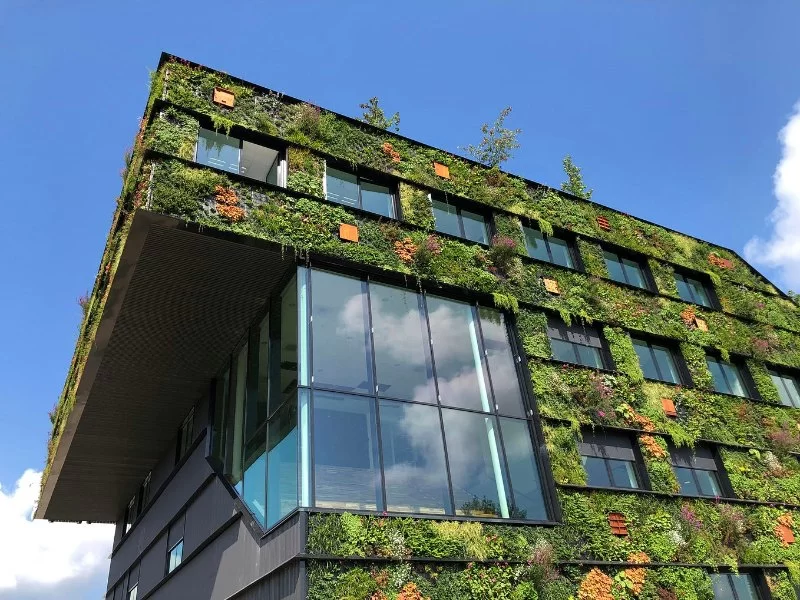
Incorporating natural elements into the building's design can help create a sense of unity between the structure and the surrounding landscape. Here are a few ways that nature can be integrated into the building's design:
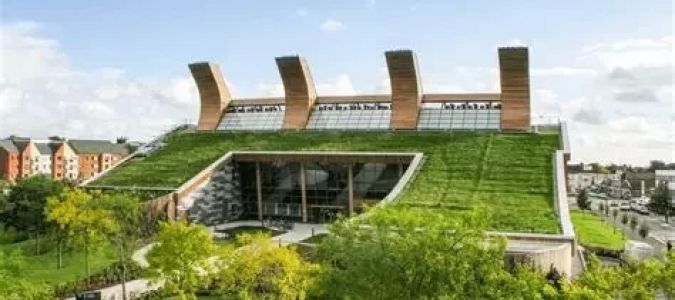
- Green Roofs: These are living roofs covered in vegetation that provide insulation, reduce energy consumption, and manage stormwater runoff.
- Natural Lighting: Maximizing natural light reduces the need for artificial lighting, which saves energy and creates a healthier, more pleasant environment for the building's occupants.
- Indoor Gardens: Many modern buildings incorporate indoor plants, which help purify the air, regulate humidity, and improve overall indoor air quality.
4. Innovative Technologies for Sustainable Design
With advancements in technology, architects now have more tools than ever to create buildings that are both beautiful and environmentally conscious. Some of these technologies include:
4.1 Solar Power and Wind Energy
Integrating renewable energy sources such as solar panels and wind turbines is a key aspect of designing sustainable buildings. Solar panels can provide power to the building, reducing reliance on non-renewable energy sources. Wind turbines, on the other hand, can be used to generate additional electricity, especially in areas with consistent winds.
4.2 Smart Building Systems
Smart buildings use advanced systems to optimize energy use and control lighting, heating, and cooling. These systems can adjust according to weather conditions, occupancy, and time of day, reducing unnecessary energy consumption.
4.3 Water Conservation Technologies
Water-saving technologies such as low-flow faucets, rainwater harvesting, and water-efficient landscaping can help reduce water consumption and preserve this precious resource. These technologies not only help the environment but also reduce utility costs for building owners.
5. Case Study Examples of Sustainable Buildings
Some buildings around the world have become shining examples of what happens when sustainability and good design come together. For instance, the Edge building in Amsterdam is often regarded as the greenest office building in the world. It uses a combination of solar panels, energy-efficient designs, and smart technology to create a highly efficient workspace.
Another example is the Bullitt Center in Seattle, which is known as the "greenest commercial building in the world." The building is designed to meet rigorous environmental standards, featuring a rainwater harvesting system, energy-efficient heating and cooling, and solar panels that provide all of its energy needs.
Conclusion
Designing a building that works with its environment requires a thoughtful approach, considering energy efficiency, sustainable materials, and the overall impact on the natural surroundings. With advancements in green building technologies and a growing focus on sustainability, the future of architecture is moving towards designs that not only meet human needs but also promote environmental stewardship. By following these principles, architects can create buildings that are not only beautiful but also sustainable, ensuring that future generations inherit a healthier planet.
If you're looking for more information on sustainable building designs or need expert advice, check out [10 Jay Street](https://www.10jaystreet.com) for the latest recommendations and products.