

- -1- Smart Home Sustainability Basics
- -2- Energy-Efficient Design Strategies
- -3- Integrating Renewable Technologies
- -4- Intelligent Automation and Smart Devices
- -5- Sustainable Materials and Indoor Environment
- -6- Real-Life Examples of Sustainable Smart Homes
- -7- Tips for Balancing Efficiency and Comfort
- -8- Where to Find Smart Home Solutions
1. Smart Home Sustainability Basics
Designing a smart home that is both sustainable and efficient starts with understanding what sustainability truly means in a residential context. It is not just about reducing energy bills—it’s about creating a living environment that minimizes environmental impact while maximizing comfort. Sustainability in smart homes encompasses energy efficiency, water conservation, waste reduction, and the thoughtful integration of technology that responds to human behavior.
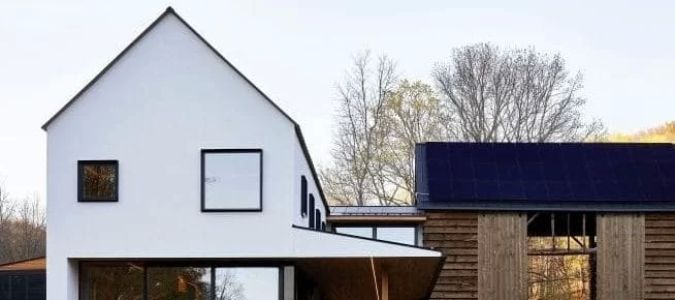
For instance, planning a home layout with natural light optimization can reduce the need for artificial lighting. Using passive solar design, properly insulating walls, and incorporating cross-ventilation are simple yet powerful ways to make a home greener without relying solely on advanced technology. This foundation sets the stage for further innovations in smart home efficiency.
2. Energy-Efficient Design Strategies
Energy efficiency is the backbone of a sustainable smart home. Homeowners can leverage a combination of design strategies and smart systems to drastically reduce energy consumption:
2.1 Optimized HVAC Systems
Heating, ventilation, and air conditioning typically account for nearly half of a home’s energy use. Installing smart thermostats, zoned heating, and energy-efficient HVAC units can significantly cut consumption while maintaining comfort.
2.2 Smart Lighting Solutions
LED lighting integrated with motion sensors, timers, and voice-controlled systems ensures that lights are only used when needed. Beyond convenience, these solutions contribute to long-term energy savings.
2.3 Efficient Appliance Management
Modern smart appliances can self-optimize for energy use. For example, smart washers and refrigerators can adjust operation times to off-peak hours, reducing energy costs and supporting grid efficiency.
3. Integrating Renewable Technologies
Renewable energy technologies are essential for truly sustainable smart homes. Solar panels, small-scale wind turbines, and home battery systems allow homeowners to produce and store clean energy, reducing dependence on fossil fuels.
3.1 Solar Power Integration
Solar energy is increasingly cost-effective and scalable. A well-designed solar array, combined with battery storage, can cover a significant portion of a household’s energy needs while providing autonomy during peak demand periods.
3.2 Smart Grid Compatibility
Connecting your home to a smart grid allows dynamic energy management. Smart meters and energy management systems can schedule high-energy activities when renewable energy is abundant, maximizing efficiency.
4. Intelligent Automation and Smart Devices
Automation is a defining feature of efficient smart homes. Intelligent systems can optimize energy use, enhance comfort, and provide real-time insights:
4.1 Home Automation Hubs
Centralized smart home hubs control lighting, climate, and security systems, learning from patterns to reduce unnecessary energy consumption.
4.2 AI-Driven Energy Management
Machine learning algorithms predict energy usage and adjust devices proactively. For example, a smart thermostat might lower heating in unused rooms or preheat spaces just before residents return home.
4.3 Water-Saving Sensors
Smart irrigation systems and leak detection sensors help minimize water waste while ensuring a healthy indoor and outdoor environment.
5. Sustainable Materials and Indoor Environment
Efficiency is not limited to energy. Sustainable building materials and design choices play a crucial role in long-term performance:
5.1 Eco-Friendly Construction Materials
Using recycled, low-VOC, or sustainably sourced materials reduces the environmental footprint of construction and promotes healthier indoor air quality.
5.2 Thermal and Acoustic Insulation
High-quality insulation maintains consistent indoor temperatures and reduces energy needs for heating and cooling, while also improving comfort and noise reduction.
6. Real-Life Examples of Sustainable Smart Homes
Consider a case where a family in California integrated a smart solar system, AI-controlled climate management, and water-efficient landscaping. Their energy bills dropped by over 40% within a year, and the home achieved a near net-zero energy status. Sharing stories like this demonstrates how combining technology with sustainability can lead to tangible benefits.
Another example is a New York townhouse that uses occupancy sensors, programmable LED lighting, and energy-efficient appliances. Not only does it save costs, but the homeowners report a significantly enhanced living experience thanks to the intuitive automation.
7. Tips for Balancing Efficiency and Comfort
When designing a smart home, balance is key. Here are some practical tips:
- Prioritize areas of highest energy usage for automation and monitoring.
- Incorporate natural lighting and ventilation wherever possible.
- Use smart devices to monitor real-time energy usage without compromising convenience.
- Combine renewable energy with efficient systems for maximum sustainability.
8. Where to Find Smart Home Solutions
For homeowners looking to implement these strategies, 10 Jay Street offers curated solutions for energy-efficient appliances, smart home devices, and sustainable materials. Whether it’s AI-enabled thermostats, solar panels, or eco-friendly insulation, you can find products and services that align with your sustainable living goals.