

- 1. Why Vertical Gardens Are Becoming Popular
- 2. Benefits of Incorporating Vertical Gardens into Architecture
- 3. Designing with Vertical Gardens: Key Considerations
- 4. Real-World Examples of Successful Vertical Gardens
- 5. How to Get Started with Vertical Gardens in Your Projects
1. Why Vertical Gardens Are Becoming Popular
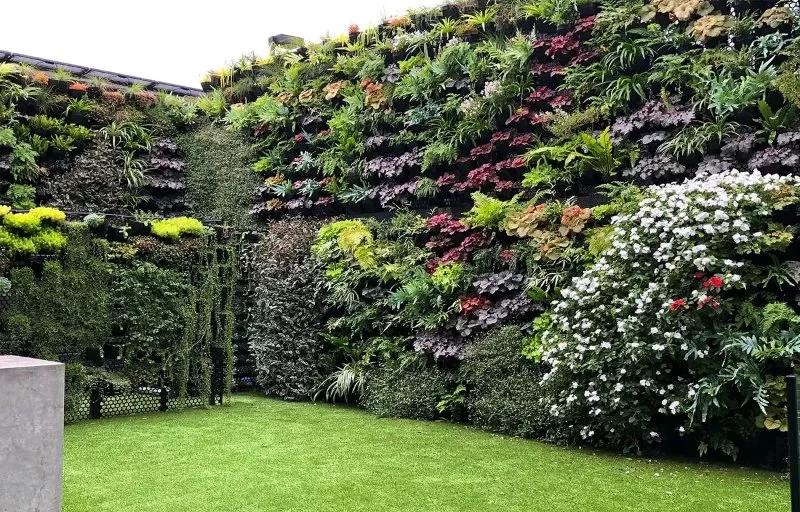
Vertical gardens are gaining significant attention in the architectural world, and for good reason. As cities become more densely populated, the need for sustainable and green spaces has never been more apparent. Vertical gardens, or green walls, allow us to incorporate nature into urban environments in a way that was previously unimaginable. These innovative designs not only enhance the aesthetics of a building but also help mitigate environmental challenges like air pollution and limited green space.
As architects and designers look for ways to make buildings more sustainable, vertical gardens provide a unique solution. By transforming unused vertical surfaces into vibrant, living walls, vertical gardens are redefining modern architecture. Whether on office buildings, residential apartments, or public spaces, they bring a refreshing touch of nature to the urban landscape.
2. Benefits of Incorporating Vertical Gardens into Architecture
Vertical gardens offer a wide range of benefits that go beyond their visual appeal. Here are some key advantages of incorporating green walls into architectural designs:
1. Environmental Impact
One of the biggest reasons vertical gardens are becoming so popular is their positive impact on the environment. These green walls help reduce the heat island effect in urban areas by absorbing heat and providing natural cooling. Additionally, they improve air quality by filtering pollutants, which is especially important in cities with high levels of smog and pollution. By capturing carbon dioxide and releasing oxygen, vertical gardens contribute to a healthier environment.
2. Aesthetic Appeal
Vertical gardens add a unique aesthetic quality to any architectural project. The lush greenery creates a striking visual contrast against the hard surfaces of modern buildings. They offer a calming and natural element that can help soften the harshness of concrete and glass. Whether integrated into commercial buildings or private homes, vertical gardens can be designed to fit any style or theme, making them a versatile design tool.
3. Thermal Insulation
Beyond their aesthetic appeal, vertical gardens provide excellent insulation properties. The layers of plants and soil help regulate the temperature inside buildings by providing a natural barrier against heat and cold. This insulation reduces the need for artificial heating and cooling, contributing to energy efficiency and cost savings over time.
4. Increased Property Value
Incorporating vertical gardens into architectural designs can also increase the property value. Green, sustainable features are highly attractive to modern homebuyers and renters who prioritize eco-friendly living. A well-designed green wall can set a property apart from others on the market and add a touch of luxury and sophistication.
3. Designing with Vertical Gardens: Key Considerations
While vertical gardens offer numerous benefits, designing them effectively requires careful consideration. Here are some key factors to keep in mind when incorporating vertical gardens into architectural designs:
1. Plant Selection
Choosing the right plants is crucial for the success of a vertical garden. You need to select plants that are well-suited to the climate and environmental conditions of the space. Factors like light levels, temperature, and humidity should influence your plant choices. For instance, in an area with limited natural light, shade-loving plants like ferns or mosses are ideal. For sunnier spots, succulents and flowering plants work well.
2. Irrigation and Maintenance
One of the challenges of vertical gardens is ensuring proper irrigation and maintenance. These gardens require a reliable irrigation system that delivers water evenly to all plants. Automated irrigation systems, such as drip irrigation, are often used to make maintenance easier. It’s also essential to consider the weight of the plants and the structure supporting the garden to ensure the wall remains stable and secure.
3. Structural Support
Vertical gardens are installed on the exterior of buildings or within interior spaces, requiring robust structural support. The walls need to be able to support the weight of the plants, soil, and irrigation system. In some cases, additional reinforcement or custom structures may be necessary to ensure the integrity and safety of the installation.
4. Design Integration
Integrating the vertical garden into the overall architectural design is key. The garden should complement the building’s design and enhance the surrounding space. Whether it’s a modern skyscraper or a rustic home, the design of the green wall should blend seamlessly with the architecture. Incorporating vertical gardens into common spaces, like entryways, lobbies, or outdoor patios, can create a focal point that ties the design together.
4. Real-World Examples of Successful Vertical Gardens
Several prominent examples of vertical gardens have showcased the potential of green walls in architectural design. Here are a few noteworthy examples:
1. The Green Wall at the Musée du Quai Branly in Paris
One of the most iconic vertical gardens is the green wall at the Musée du Quai Branly in Paris, designed by botanist Patrick Blanc. The wall is over 800 square meters and features a wide range of plants, creating a stunning visual effect. This project has become a symbol of how vertical gardens can be integrated into both cultural and urban spaces, offering both environmental and aesthetic benefits.
2. Bosco Verticale (Vertical Forest) in Milan
Another incredible example is the Bosco Verticale, or Vertical Forest, in Milan. This residential tower complex features over 9,000 trees, 5,000 plants, and 13,000 shrubs, transforming the buildings into living forests. Not only does this project provide green space in a crowded city, but it also improves air quality and provides residents with a unique living experience.
5. How to Get Started with Vertical Gardens in Your Projects
If you’re looking to incorporate a vertical garden into your architectural design, there are a few steps to follow:
1. Assess the Space
Start by assessing the available space for the vertical garden. Consider factors such as exposure to sunlight, accessibility, and available support for the plants. This will help you determine the best location and plant choices for your project.
2. Work with Professionals
To ensure the successful installation and maintenance of your vertical garden, it’s a good idea to work with professionals who specialize in green wall installations. Architects, landscape designers, and horticulturists can collaborate to create a plan that meets your specific needs.
3. Choose the Right Products
At [10 Jay Street], we offer a range of high-quality products designed to help you create beautiful and sustainable vertical gardens. From modular green wall systems to irrigation solutions, we have the tools you need to bring your vision to life. Visit our site for more information on how to get started.