

- 1-why-architectural-design-matters-for-home-functionality-#why-architectural-design-matters-for-home-functionality
- 2-key-elements-of-architectural-design-that-enhance-functionality-#key-elements-of-architectural-design-that-enhance-functionality
- 3-how-to-balance-aesthetic-and-functionality-in-architecture-#how-to-balance-aesthetic-and-functionality-in-architecture
- 4-real-life-examples-of-functional-architectural-design-#real-life-examples-of-functional-architectural-design
- 5-practical-tips-for-incorporating-architectural-design-in-your-home-#practical-tips-for-incorporating-architectural-design-in-your-home
- 6-why-working-with-an-architect-can-transform-your-home-functionality-#why-working-with-an-architect-can-transform-your-home-functionality
Why Architectural Design Matters for Home Functionality
When I first moved into my house, I focused mostly on décor and color schemes, overlooking the structure and layout of the space. While the aesthetic was nice, the functionality of the home was not optimal. Rooms felt cramped, and there were areas that just didn’t flow well.
This experience taught me that architectural design goes far beyond just the visual appeal. It's about how spaces work together to make daily life more efficient, comfortable, and enjoyable. Whether you’re renovating an existing home or building one from the ground up, the role of architectural design in functionality cannot be overstated.
By focusing on functional design elements, you can create a home that not only looks good but works well for your everyday needs. From space planning to material selection, the right architectural choices can transform how you live in your space.
Key Elements of Architectural Design That Enhance Functionality
When planning or renovating your home, there are several key elements of architectural design that directly impact functionality. These elements allow you to maximize your space, improve flow, and enhance the overall livability of your home.
1. Open Floor Plans for Better Flow
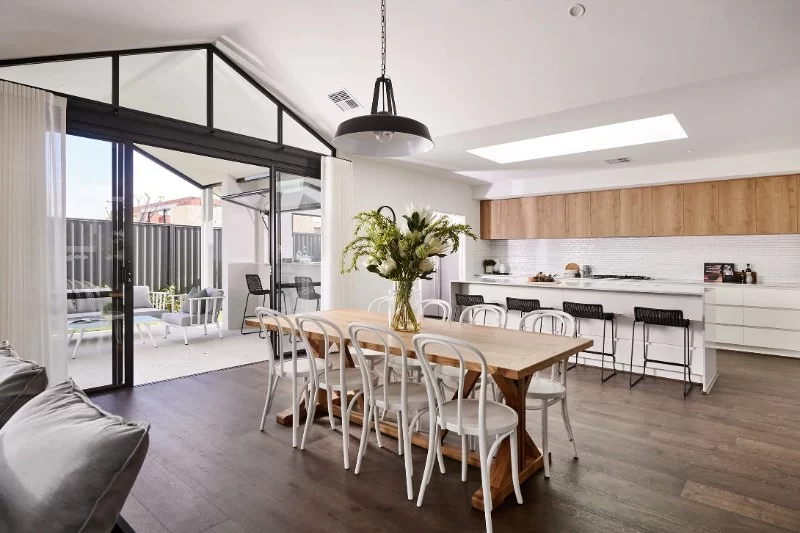
Open floor plans have become popular for a reason: they allow for better interaction between spaces and offer flexibility in how rooms are used. My own kitchen-dining-living area flows effortlessly into one another, creating a larger sense of space and making it easier for family members to move around and interact.
2. Multi-Functional Spaces
When space is limited, incorporating multi-functional spaces is essential. For example, a home office that doubles as a guest room or a kitchen island that serves as both a cooking area and a workspace. These flexible spaces maximize utility without compromising style or comfort.
3. Maximizing Natural Light
Properly placed windows, skylights, and glass doors not only enhance a home’s aesthetic but also contribute to a more open, airy feeling. Natural light makes a space feel larger and more welcoming while reducing the need for artificial lighting, which can save energy.
4. Storage Solutions That Don't Compromise Style
Architectural design should address both visible and hidden storage needs. Built-in cabinetry, hidden closets, and storage that seamlessly integrates into the design prevent clutter and help maintain a tidy, organized home. Functional storage solutions improve daily life without detracting from the overall aesthetic.
How to Balance Aesthetic and Functionality in Architecture
A beautiful home is one that balances form and function. Achieving this balance requires thoughtful design choices that prioritize both practicality and style.
1. Prioritize Function Without Sacrificing Style
It’s easy to get carried away with aesthetics, but functionality should always come first. For example, a stunning kitchen layout may look great on paper, but if the work triangle (the relationship between the stove, sink, and refrigerator) isn’t efficient, cooking becomes frustrating. Focus on the usability of a space, and then enhance it with design elements that align with your style.
2. Use Materials Wisely
The choice of materials can dramatically affect the functionality of a home. For instance, using durable and easy-to-maintain surfaces in high-traffic areas like the kitchen and bathroom makes life easier. Combining these materials with aesthetically pleasing finishes creates a harmonious balance.
3. Focus on Personalization
Your home should reflect your personality and lifestyle. Incorporating elements that are both practical and meaningful to you—whether it’s custom furniture or personal artwork—ensures that your home feels unique while serving your everyday needs.
Real-Life Examples of Functional Architectural Design
I’ve seen firsthand how architectural design can transform a home’s functionality. A friend of mine remodeled her small apartment by creating an open concept living area, which made the space feel twice as large. By removing unnecessary walls and incorporating multi-functional furniture, she created a home that felt spacious and comfortable, even in a small footprint.
Another example comes from a family who decided to add a mudroom next to their kitchen. This small change dramatically improved their daily routine, as it became a dedicated space for shoes, coats, and bags—keeping the rest of the house organized and clean.
Practical Tips for Incorporating Architectural Design in Your Home
Whether you’re working with a designer or tackling a DIY project, here are a few practical tips to improve the functionality of your home through architectural design:
1. Start with a Functional Floor Plan
The foundation of good architectural design is a thoughtful floor plan. Consider how you use your space and prioritize functional zones, like creating an efficient kitchen layout or maximizing living room seating.
2. Invest in High-Quality Materials
Durable materials not only improve functionality but also ensure your design stands the test of time. Quality flooring, countertops, and cabinetry are worth the investment.
3. Work with a Professional
If you’re unsure how to integrate architectural design in your home, working with an architect or designer can make a huge difference. They can help you find the right balance of style and function while adhering to your budget and space limitations.
Services like 10 Jay Street offer guidance on creating functional and beautiful spaces. Whether you need help with a renovation or starting from scratch, professionals can provide invaluable insight.
Why Working with an Architect Can Transform Your Home Functionality
When I first renovated my home, I thought I could figure everything out on my own. However, working with an architect made the process more efficient, thoughtful, and successful. Architects bring knowledge of how spaces interact and ensure every element of design serves a purpose, not just a decorative function.
If you’re serious about improving the functionality of your home, an architect’s expertise can help you navigate complex decisions, maximize space, and avoid costly mistakes down the line.