

How to Incorporate Passive Cooling into Your Building Design
- 1. Why Passive Cooling is Essential for Sustainable Building Design
- 2. Understanding the Techniques of Passive Cooling
- 3. How to Implement Passive Cooling in Your Building Design
- 4. The Benefits of Passive Cooling in Architecture
- 5. Real-World Examples of Passive Cooling in Building Designs
- 6. How 10 Jay Street Can Help You with Passive Cooling Solutions
1. Why Passive Cooling is Essential for Sustainable Building Design
As the world faces rising temperatures due to climate change, the importance of sustainable building practices has never been more critical. One such method that has gained traction in modern architecture is passive cooling. This approach involves utilizing natural resources—such as the sun, wind, and the earth itself—to reduce the need for mechanical air conditioning. From my experience working on eco-friendly design projects, passive cooling is an effective strategy that not only promotes energy efficiency but also enhances indoor comfort without relying heavily on energy-intensive systems.
Incorporating passive cooling into your building design reduces energy consumption and significantly lowers environmental impact. Additionally, it creates healthier living and working spaces, improving air quality and regulating temperatures naturally. Through this article, I’ll walk you through how passive cooling works and share how you can effectively integrate it into your architectural plans.
2. Understanding the Techniques of Passive Cooling
There are several passive cooling techniques that architects and builders employ to maintain a comfortable interior temperature. These methods often involve designing buildings with specific materials, orientations, and layouts to take advantage of the natural climate and environment.
2.1 Building Orientation and Layout
One of the first steps in incorporating passive cooling is considering the building's orientation. Properly orienting your building can help reduce heat gain and promote natural ventilation. For instance, placing large windows on the north side and minimizing openings on the west side allows for natural light without increasing heat load during hot afternoons. I’ve seen this technique effectively used in many green building projects, where strategic window placements significantly reduce the need for air conditioning during summer months.
2.2 Natural Ventilation
Natural ventilation relies on the movement of air to cool a building. This can be achieved by designing windows and vents that allow air to flow freely, promoting cross-ventilation throughout the space. As the wind blows through these openings, cooler air replaces the warmer air, helping to keep the interior temperature comfortable. I’ve been involved in several projects where incorporating large, operable windows and skylights has proven highly effective in naturally cooling the indoor space.
2.3 Thermal Mass and Insulation
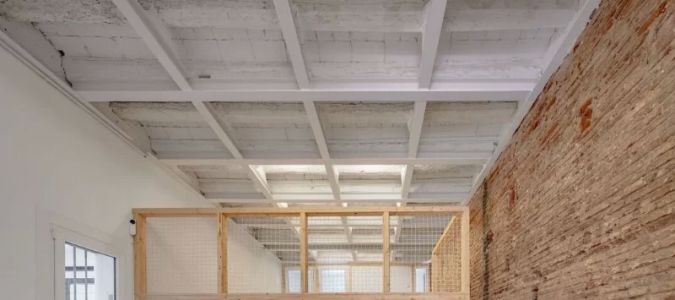
Thermal mass refers to materials that absorb and store heat during the day and release it at night. Concrete, brick, and stone are commonly used for their high thermal mass properties. By incorporating these materials into your building design, you can help maintain a stable indoor temperature. Insulation is equally important in preventing unwanted heat transfer. I’ve seen thermal mass used in buildings that remain cool even in the hottest climates, as the stored coolness from the night helps balance daytime heat.
3. How to Implement Passive Cooling in Your Building Design
Implementing passive cooling into your building design involves a thoughtful, holistic approach that considers various aspects of architecture and local climate. Here are some practical ways to incorporate passive cooling into your next design project:
3.1 Use of Reflective Roofs and Cool Roof Coatings
Reflective roofs, or "cool roofs," help reduce heat absorption by reflecting sunlight away from the building. This not only lowers the building's temperature but also reduces the energy consumption required for cooling. In hot climates, this can be a game-changer. I’ve worked on several projects where reflective roofing materials have made a significant impact in terms of reducing cooling costs and improving indoor comfort.
3.2 Shading and Overhangs
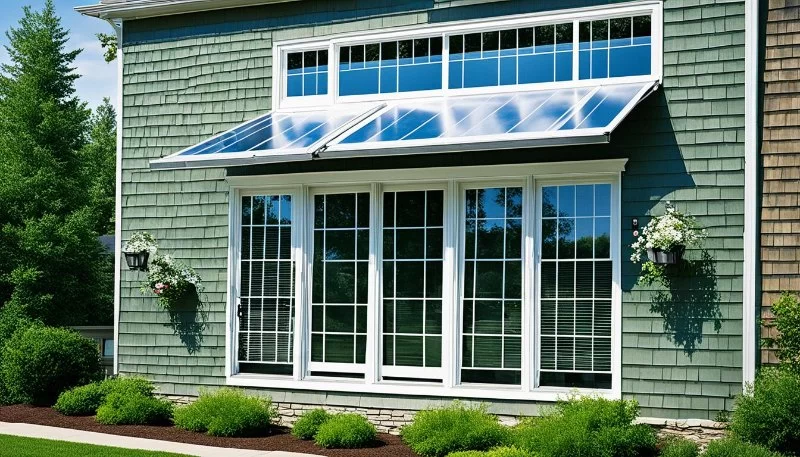
Adding shading elements such as awnings, pergolas, or even planting trees around your building can block direct sunlight from hitting your windows. This helps keep the interior cooler, especially during the peak afternoon heat. I’ve personally seen how simple yet effective shading can be in reducing the temperature inside a home or office, making it feel naturally cooler without using energy-consuming systems.
3.3 Green Roofs and Walls
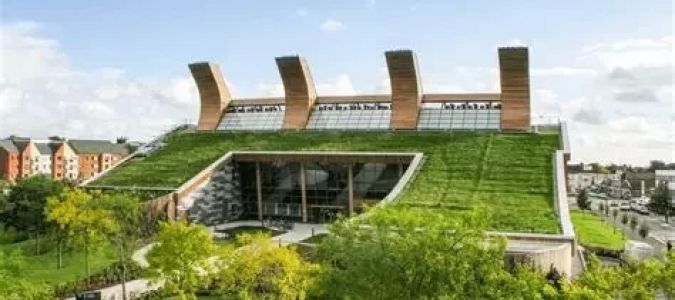
Green roofs and walls are gaining popularity as a way to combat heat island effects in urban areas. These systems involve growing plants on the roof or exterior walls of the building, which helps to insulate and cool the structure naturally. In addition to passive cooling, green roofs and walls improve air quality and provide aesthetic beauty. I’ve had the opportunity to work on projects where green roofs have provided not only environmental benefits but also a unique, tranquil retreat for the building’s inhabitants.
4. The Benefits of Passive Cooling in Architecture
Passive cooling isn’t just about saving energy. It also offers numerous other benefits that make it an attractive option for modern architecture. Here are some of the key advantages I’ve witnessed in buildings that incorporate passive cooling techniques:
4.1 Energy Savings
The most obvious benefit of passive cooling is energy savings. By reducing the reliance on air conditioning systems, buildings can significantly lower their energy consumption, leading to reduced utility bills. In fact, buildings designed with passive cooling strategies often perform up to 50% better in energy efficiency compared to conventional structures.
4.2 Improved Indoor Comfort
Passive cooling helps regulate indoor temperatures without the need for mechanical systems, resulting in more consistent comfort throughout the day and night. The natural flow of air and the use of thermal mass ensures that the building remains cooler in the summer and warmer in the winter, making it a year-round solution. This is something I’ve personally enjoyed experiencing in buildings designed with these principles.
4.3 Environmental Impact
By reducing the demand for air conditioning and lowering energy consumption, passive cooling significantly reduces a building’s carbon footprint. Additionally, many of the materials used in passive cooling systems, such as green roofs and thermal mass, are sustainable and have a minimal environmental impact. For anyone passionate about sustainability, passive cooling is an essential element of eco-friendly architecture.
5. Real-World Examples of Passive Cooling in Building Designs
There are several stunning examples of buildings that successfully use passive cooling techniques to create sustainable, energy-efficient environments. A few notable projects that come to mind are:
5.1 The Edge in Amsterdam
Known as one of the greenest office buildings in the world, The Edge in Amsterdam incorporates a variety of passive cooling features, including solar shading, natural ventilation, and geothermal heating. The building's design allows for a comfortable indoor environment year-round while minimizing energy usage.
5.2 The Bullitt Center in Seattle
Dubbed the "greenest commercial building" in the U.S., the Bullitt Center utilizes passive cooling systems like radiant floor heating and operable windows for ventilation. The building’s design maximizes natural light and minimizes the need for artificial heating and cooling, making it a model of sustainable architecture.
6. How 10 Jay Street Can Help You with Passive Cooling Solutions
If you’re looking to integrate passive cooling into your building design, consider consulting with experts at 10 Jay Street. Their team is skilled in sustainable design practices and can help you incorporate passive cooling systems tailored to your specific climate and needs. Whether you’re designing a new building or renovating an existing one, their expertise will ensure that your project meets the highest standards of energy efficiency and environmental sustainability.
Visit the 10 Jay Street website today to explore more about how they can assist you in creating a sustainable, comfortable, and energy-efficient building.