

- Understanding-Recycled-Materials-in-Architecture
- Benefits-of-Using-Recycled-Materials-in-Architecture
- Types-of-Recycled-Materials-for-Architecture
- How-to-Incorporate-Recycled-Materials-in-Design
- Real-World-Examples-of-Sustainable-Design
- Working-with-Sustainable-Materials-Suppliers
How to Incorporate Recycled Materials into Your Architecture Design
As an architect, I’ve always been fascinated by how materials shape the spaces we inhabit. But as I grew more conscious of the environmental impact of construction, I started seeking out more sustainable ways to design. One of the best decisions I made was incorporating recycled materials into my projects. It’s not only about being environmentally responsible but also about creating unique, thoughtful spaces that tell a story.
In this article, I’ll share how you can incorporate recycled materials into your architecture design. Whether you’re designing a home, commercial building, or community center, using recycled materials is a fantastic way to create a more sustainable, eco-friendly structure. Let’s explore how this approach can transform your designs while reducing the carbon footprint of construction.
Benefits of Using Recycled Materials in Architecture
When I first considered incorporating recycled materials into my designs, I thought about the obvious environmental benefits. However, as I researched further, I discovered that the advantages go beyond just reducing waste. Here are some key benefits I’ve experienced in my own projects:
1. Environmental Sustainability
By using recycled materials, you’re reducing the need for new raw materials, which ultimately lowers the environmental impact of construction. I’ve always believed that architecture should give back to the environment, not take from it. Recycled materials help reduce landfill waste and cut down on the energy and water consumption involved in producing new materials.
2. Cost Savings
Incorporating recycled materials can also reduce the overall cost of your project. For instance, salvaging old wood or repurposing steel can be less expensive than buying new materials. I’ve found that sourcing reclaimed materials often allows me to stretch my budget while adding character and uniqueness to the design.
3. Unique Aesthetic Appeal
Recycled materials can give your design a distinct and timeless aesthetic. I’ve used reclaimed wood in many of my projects, and it adds warmth and texture that new materials simply can’t replicate. Each piece of recycled material has its own history, which adds depth and storytelling to the space.
Types of Recycled Materials for Architecture
There are so many types of recycled materials available for use in architecture. Depending on the type of project, some materials may be more suitable than others. Here are some of the most popular options I’ve worked with:
1. Reclaimed Wood
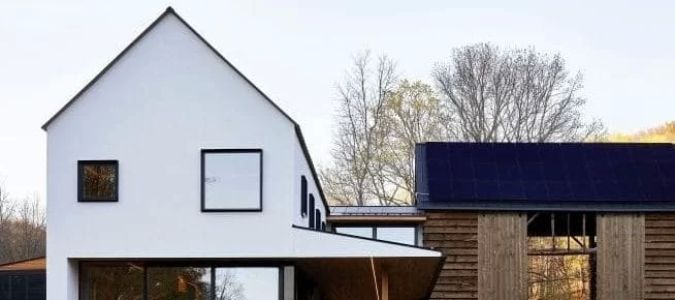
Reclaimed wood is one of the most versatile recycled materials in architecture. It can be used for flooring, paneling, furniture, and structural elements. I’ve worked with wood salvaged from old barns, factories, and even demolished buildings. Reclaimed wood adds incredible character, texture, and warmth to any space. Plus, it’s a great way to preserve history while reducing waste.
2. Recycled Metal
Recycled metal, such as steel or aluminum, is another popular material in sustainable architecture. It’s often used for structural components, roofing, and cladding. I’ve found that working with recycled metal helps reduce the environmental impact of mining and manufacturing while maintaining the durability and strength needed for large-scale projects.
3. Recycled Glass
Glass recycling is a fantastic option for creating stunning, modern designs. Recycled glass can be used for countertops, tiles, and even in decorative features like glass walls. It’s a durable, attractive material that can be found in a variety of colors and textures, making it perfect for contemporary designs.
4. Recycled Concrete
Concrete recycling is becoming more widespread, and I’ve used recycled concrete for foundation work, paving, and landscaping. By reusing broken concrete, we can divert tons of waste from landfills and reduce the need for new cement, which is one of the most energy-intensive materials to produce.
5. Recycled Plastics
Plastics can be repurposed into a variety of architectural elements, including insulation, flooring, and even furniture. Although this material is still emerging in architectural design, it’s a great option for eco-conscious architects looking for innovative ways to recycle.
How to Incorporate Recycled Materials in Design
Now that we know the types of recycled materials available, the next step is learning how to incorporate them into your design effectively. Here are some tips that have worked for me when integrating recycled materials into my projects:
1. Source High-Quality Recycled Materials
It’s essential to work with reputable suppliers when sourcing recycled materials. I always ensure that the materials I use are of high quality and have been properly processed to meet safety and durability standards. Whether you’re buying reclaimed wood or recycled concrete, you want to ensure that the materials are as reliable as new ones.
2. Balance Functionality and Aesthetics
While recycled materials can add character to a design, it’s important to ensure that they meet the functional needs of the project. For instance, when using reclaimed wood, I consider the material’s strength, especially when it comes to structural elements. I’ve found that balancing aesthetics with functionality ensures the project remains both beautiful and safe.
3. Embrace Imperfection
One of the things I love most about working with recycled materials is their imperfection. Whether it’s the weathered look of reclaimed wood or the unique texture of recycled glass, these materials often have a history that adds a layer of depth to the design. Embrace these imperfections as part of the charm of using recycled materials—they tell a story and make the space feel more personal and inviting.
Real-World Examples of Sustainable Design
There are so many fantastic examples of sustainable architecture that incorporate recycled materials in innovative ways. Here are a few of my favorites:
1. The Bullitt Center, Seattle
The Bullitt Center is one of the most sustainable buildings in the world, and it incorporates recycled materials throughout. From reclaimed wood flooring to the use of recycled steel, the building showcases how sustainable design can be both beautiful and functional.
2. The Eden Project, UK
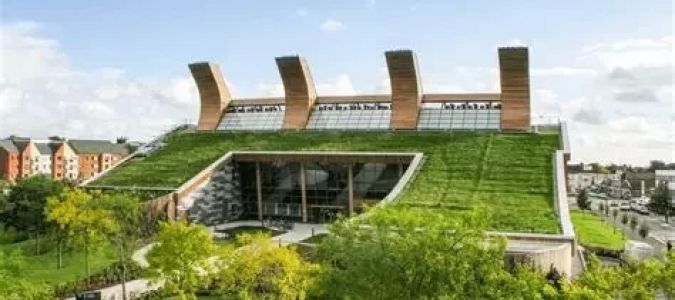
The Eden Project, an ecological park in the UK, features stunning architecture made from recycled materials, including reclaimed steel and concrete. This project is a great example of how architecture can work in harmony with nature and sustainability.
Working with Sustainable Materials Suppliers
When incorporating recycled materials into your design, it’s important to work with suppliers who are dedicated to sustainability. I recommend partnering with companies that specialize in sourcing and processing recycled materials. These suppliers often have a vast selection of high-quality, eco-friendly options that meet the specific needs of your project. A platform like 10 Jay Street can help you find the right suppliers for your sustainable design needs.
Incorporating recycled materials into your architecture design is a rewarding process that allows you to reduce your environmental impact while creating beautiful, unique spaces. As I continue to explore new ways to make my designs more sustainable, I am continually inspired by the possibilities of recycled materials. They offer endless opportunities for creative expression and a chance to build a more sustainable future.