

- Understanding Smart Technology in Building Design
- Why Smart Technology Matters in Modern Architecture
- How to Integrate Smart Technology Into Your Building Design
- Examples of Smart Technologies in Building Projects
- Sustainability and Efficiency Through Smart Technology
- Future Trends in Smart Building Design
1. Understanding Smart Technology in Building Design
As architects, our job is to design buildings that are not only functional and aesthetic but also future-proof. In today’s world, one of the key elements that has revolutionized the way we approach building design is smart technology. But what exactly does “smart technology” mean in the context of architecture?
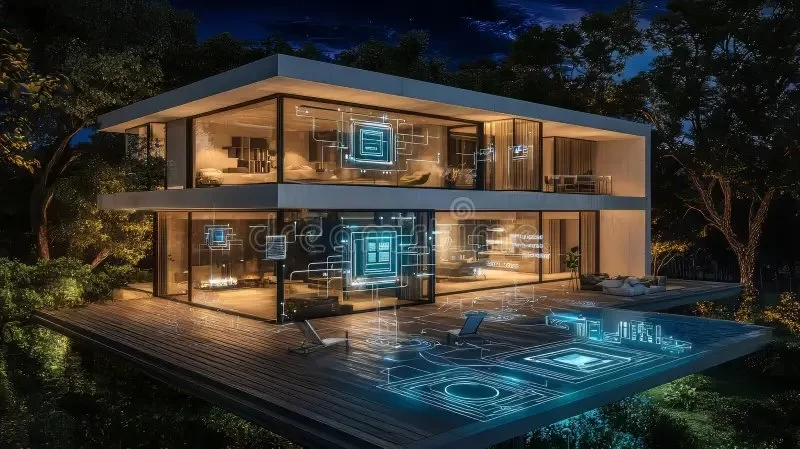
Smart technology in building design refers to the integration of various systems, devices, and sensors into the structure of a building to enhance its functionality, comfort, security, and energy efficiency. These technologies can range from advanced heating and cooling systems to automated lighting, security features, and even energy-efficient windows. I’ve seen firsthand how smart technology can transform the way we live, work, and interact with the spaces around us.
2. Why Smart Technology Matters in Modern Architecture
The integration of smart technology into building design isn’t just a trend; it’s a necessity. As we continue to face challenges like climate change, resource depletion, and urbanization, incorporating smart technology into buildings has become a critical way to ensure sustainability and improve quality of life.
2.1 Energy Efficiency
One of the most significant reasons why smart technology is essential in modern architecture is its ability to enhance energy efficiency. Smart systems, such as automated lighting and HVAC systems, can adjust according to the building’s occupancy or the time of day, reducing unnecessary energy consumption. For example, in my own experience designing a commercial building, we integrated smart thermostats and lighting sensors that automatically adjusted the temperature and lighting based on real-time usage, which resulted in a 30% reduction in energy costs.
2.2 Enhancing Comfort and Convenience
Smart technology also plays a major role in enhancing the comfort and convenience of building occupants. From climate control systems that adjust to personal preferences to automated window blinds that respond to sunlight, these systems make buildings more user-friendly and adaptable to the needs of the people who inhabit them.
2.3 Security and Safety
Another critical aspect is safety and security. With smart surveillance systems, access controls, and sensors, we can ensure a higher level of security while also reducing human error. For example, in residential buildings, smart door locks and cameras provide an extra layer of security by allowing residents to monitor and control access from their smartphones.
3. How to Integrate Smart Technology Into Your Building Design
Integrating smart technology into building design requires careful planning, coordination, and expertise. Here’s how I’ve approached it in my projects:
3.1 Understanding the Building’s Needs
Before implementing any smart technology, it’s important to fully understand the building’s specific needs. Is it a residential, commercial, or public building? What are the goals for energy efficiency, security, and user comfort? By conducting a thorough analysis of the building’s purpose and requirements, you can determine which smart technologies will provide the greatest value. For example, in one of my residential projects, we focused on integrating smart lighting and climate control systems to make the home more energy-efficient while also improving comfort.
3.2 Selecting the Right Technologies
Once the building’s needs are clear, the next step is selecting the right smart technologies. With the variety of available options, choosing the right ones can be overwhelming. I recommend focusing on solutions that align with the building’s goals. For example, if energy efficiency is a priority, invest in technologies like energy-efficient windows, smart thermostats, and LED lighting systems. For security, smart cameras and motion sensors are excellent choices. I always collaborate with tech experts and suppliers to ensure we choose the most appropriate technologies for each project.
3.3 Integrating Systems for Seamless Operation
One of the challenges of incorporating smart technology into buildings is ensuring all systems work together harmoniously. I’ve found that using a centralized control system that can integrate various devices, such as lighting, HVAC, security systems, and even appliances, is the most effective solution. This not only simplifies operation for building occupants but also ensures that all systems are optimized for efficiency and ease of use.
4. Examples of Smart Technologies in Building Projects
To give you a clearer picture of how smart technology can be applied in architecture, here are a few examples from some of my past projects:
4.1 Smart Lighting Systems
In a recent office building I worked on, we incorporated a smart lighting system that adjusts based on the amount of natural light available in the room. The system also detects occupancy and turns off lights when no one is present, leading to significant energy savings.
4.2 Automated Climate Control
In a luxury hotel project, we installed a smart HVAC system that adjusts the temperature based on the room’s occupancy. This allowed the hotel to optimize energy use while ensuring guests’ comfort, particularly in high-traffic areas like lobbies and conference rooms.
4.3 Smart Security Systems
For a commercial building, we integrated smart security features such as facial recognition access control, motion sensors, and automated lock systems. These features provided enhanced security while allowing employees and tenants to access the building with ease.
5. Sustainability and Efficiency Through Smart Technology
In my projects, one of the main goals of incorporating smart technology is to improve sustainability. From energy-efficient lighting to systems that monitor and reduce water consumption, smart technology plays a key role in minimizing the environmental impact of buildings.
In one of my recent projects, we utilized smart irrigation systems that only activated when the soil moisture dropped below a certain level, ensuring water was used efficiently. This helped the building earn a LEED certification for its sustainable design.
6. Future Trends in Smart Building Design
Looking ahead, the future of smart building design is incredibly exciting. Advances in artificial intelligence, IoT (Internet of Things), and automation will continue to shape the buildings of tomorrow. I foresee more buildings incorporating predictive maintenance systems that can alert owners and operators to issues before they become major problems.
Additionally, smart buildings will continue to focus on sustainability, using data-driven solutions to optimize energy use, reduce waste, and improve the overall environmental footprint of buildings.
If you're interested in exploring how to incorporate smart technology into your building design, check out 10 Jay Street, where we offer expert architectural services tailored to your specific needs and goals.