

How to Incorporate Solar Power into Your Architectural Plans
As we move towards a more sustainable future, integrating renewable energy sources like solar power into architectural designs has become not just a trend but a necessity. For architects, urban planners, and homeowners alike, solar power offers an innovative way to reduce energy consumption, lower environmental impact, and create self-sufficient buildings. But how exactly can one incorporate solar power into architectural plans? In this article, I’ll explore the practical steps and considerations involved in designing buildings with solar energy solutions.
1. Understanding Solar Power in Architecture
Solar power, in the context of architecture, involves the integration of solar panels or solar energy systems into building designs to generate electricity. These systems harness the energy from the sun, converting it into usable electricity that can power everything from lights to air conditioning. Incorporating solar power into a building's design reduces reliance on external energy sources, lowers utility costs, and contributes to the overall sustainability of the structure.
1.1. The Basics of Solar Power Systems
At its core, a solar power system consists of solar panels, inverters, and energy storage solutions. The solar panels, typically placed on the roof, capture sunlight and convert it into direct current (DC) electricity. This DC electricity is then converted into alternating current (AC) electricity by an inverter, making it usable for everyday appliances. If the system produces more electricity than needed, it can be stored in batteries or fed back into the grid.
1.2. Benefits of Solar Power in Architecture
Incorporating solar energy systems into architectural plans has multiple benefits, including:
- Energy Efficiency: Solar power reduces reliance on fossil fuels, helping lower carbon emissions and decreasing the building’s environmental impact.
- Cost Savings: By generating your own electricity, you can significantly reduce utility bills, providing long-term financial benefits.
- Increased Property Value: Homes and buildings with solar power installations often see a rise in property value due to their energy efficiency and sustainable appeal.
- Energy Independence: Solar power allows for greater energy independence, making buildings less vulnerable to power outages or fluctuations in energy prices.
2. Key Considerations When Integrating Solar Power
While solar power is an excellent addition to any architectural design, there are several factors to consider during the planning and installation phases. These factors include the geographic location, building orientation, roof space, and energy needs. Let’s break down these considerations:
2.1. Location and Sunlight Exposure
The effectiveness of a solar power system depends on the amount of sunlight a building receives. Buildings located in areas with abundant sunlight will benefit most from solar energy, while buildings in regions with less sunlight may need larger systems or supplementary energy solutions. When designing a building with solar power in mind, it’s essential to assess the location’s solar potential using tools such as solar maps or software that calculates solar irradiance levels.
2.2. Roof Space and Structure
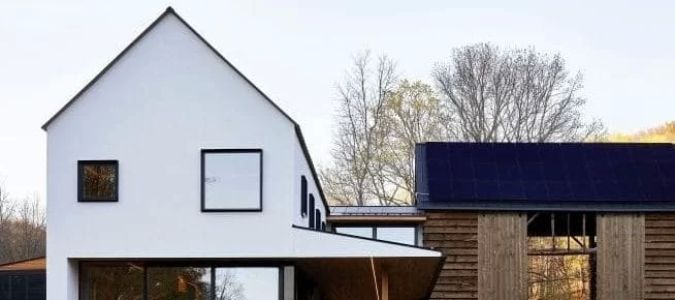
Roof space plays a crucial role in determining how many solar panels can be installed. The roof must be able to support the weight of the panels and be oriented towards the sun for maximum efficiency. A south-facing roof (in the Northern Hemisphere) is ideal for solar panel installation. Additionally, you should consider the roof’s angle and the amount of shading it receives throughout the day. Flat roofs may require specialized mounting systems to achieve the optimal tilt for the panels.
2.3. Energy Needs and System Size
Before integrating solar power into a building design, it’s important to assess the building’s energy consumption. By understanding the energy needs, architects can determine the appropriate size of the solar power system required to meet those needs. This includes calculating the number of solar panels, the type of inverter, and the size of the battery storage (if needed). A proper energy audit ensures that the system will be both efficient and cost-effective in the long term.
3. Designing with Solar in Mind
When incorporating solar power into architectural designs, there are multiple ways to integrate it seamlessly into the building’s aesthetics and functionality. Here are some creative and effective design ideas:
3.1. Solar Roofs and Solar Tiles
Instead of traditional solar panels, architects are increasingly turning to solar roofs or solar tiles. These integrated systems replace regular roofing materials, such as asphalt shingles, with solar energy-generating tiles that blend seamlessly with the rest of the roof. Solar tiles offer a more aesthetically pleasing option for homeowners and businesses that wish to maintain a clean, modern look while benefiting from renewable energy.
3.2. Building-Integrated Photovoltaics (BIPV)
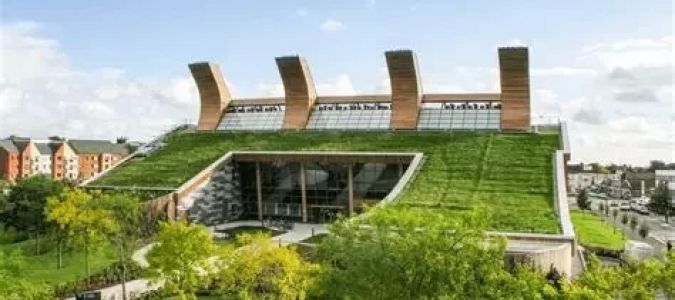
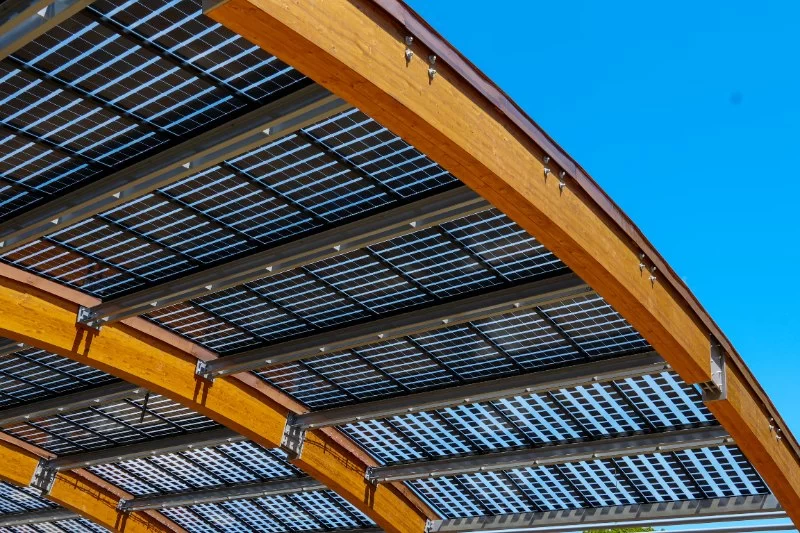
Building-integrated photovoltaics (BIPV) are another innovative solution that combines solar power generation with building materials. BIPVs can be integrated into walls, windows, facades, and skylights, providing an aesthetically attractive option that reduces the need for additional space to install solar panels. This integration helps achieve both aesthetic appeal and functionality, while still contributing to the building’s energy efficiency.
3.3. Solar Water Heating Systems
In addition to generating electricity, solar power can also be used to heat water. Solar water heating systems use panels or collectors to capture heat from the sun, providing an efficient way to meet a building’s hot water needs. These systems can be particularly beneficial in residential settings, reducing energy costs and decreasing reliance on fossil fuels.
4. Real-World Examples of Solar Power in Architecture
Several iconic buildings around the world have successfully integrated solar power into their architectural designs, proving the feasibility and benefits of this sustainable solution. Some notable examples include:
4.1. The Edge in Amsterdam
The Edge, an office building in Amsterdam, is often hailed as one of the greenest buildings in the world. It features a comprehensive solar power system that provides energy for the building’s operations, and its design prioritizes energy efficiency, daylight optimization, and the use of renewable materials. The building has set a new standard for sustainable architecture and demonstrates how solar power can be used to create high-performance, energy-efficient buildings.
4.2. The Bullitt Center in Seattle
The Bullitt Center, also known as the “greenest commercial building in the world,” incorporates a large solar array that generates all of the building’s electricity. The design uses solar power, rainwater harvesting, and other sustainable practices to achieve net-zero energy use. This building is a prime example of how solar power can be integrated into the design of commercial spaces to create a sustainable and self-sufficient environment.
5. The Future of Solar Power in Architecture
The integration of solar power into architecture will only continue to grow as technology advances and the demand for sustainable solutions increases. In the future, architects may incorporate even more advanced solar technologies, such as solar films, transparent solar panels, and advanced energy storage systems, to further enhance the energy efficiency of buildings.
5.1. Technological Advancements
As solar technologies improve, architects will have access to even more versatile and efficient systems. Innovations in solar film technology, for example, could lead to flexible, lightweight solar panels that can be applied to a wider range of surfaces, including curved or irregularly shaped buildings. Additionally, advances in energy storage technologies will allow buildings to store more energy for use during cloudy days or at night, making solar power even more reliable.
For more information on how solar power can be integrated into your architectural plans, or to explore sustainable design options, visit 10 Jay Street for insights and services.